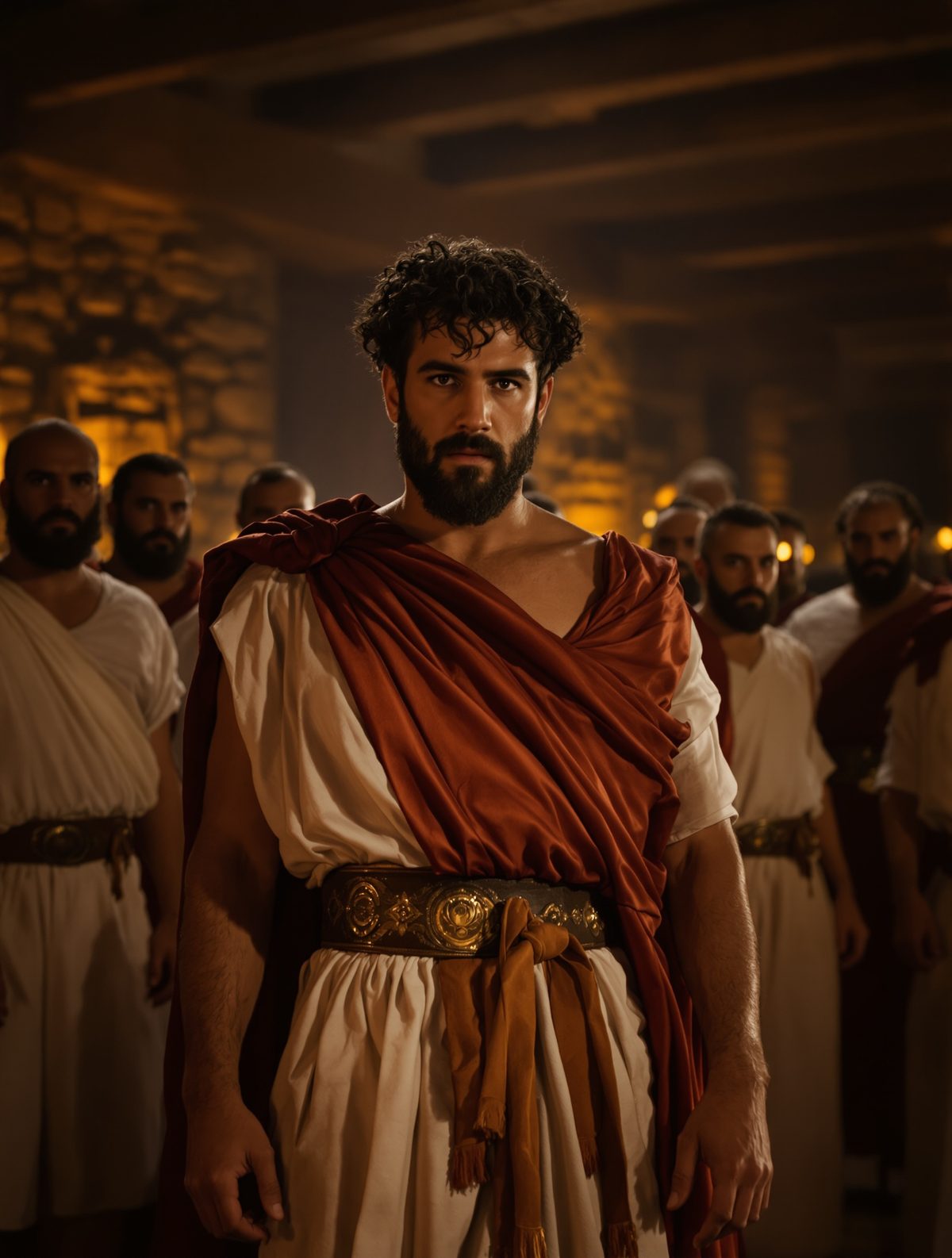
In the flickering torchlight of Egypt's ancient courts, the child pharaoh Pepi II was crowned, ascending the throne at merely six years old. His coronation marked the beginning of what would become the longest reign in the history of human civilization — a staggering 94 years. However, this extraordinary tenure paradoxically sowed the seeds of decline, leaving Egypt fractured and vulnerable as his final breath slipped away.
The Ascension of a Child King
At the heart of this historic tale lies the story of a boy thrust into power amidst the splendors of Memphis, the then-capital of Egypt, in 2278 BC. Pepi II, also known as Neferkare, was the last significant ruler of the Old Kingdom, a period renowned for its stability and the construction of the great pyramids. Imagine the scene: a diminutive figure garbed in regal apparel, but too young even to read, surrounded by towering officials and advisors who bowed dutifully before him. Little did they know, this child would outlast them all.
Despite his youth, the wheels of governance carried on with the orchestration of seasoned viziers and generals who guided him through the intricacies of statecraft and religious duties. Pepi’s mother, Queen Ankhesenpepi II, played a significant role during his early reign, effectively wielding power from behind the throne. This early period enjoyed relative prosperity as crops sprouted robustly along the Nile’s generous floodplains, fostering a sense of eternal continuance. But time, notoriously unkind to even the grandest of plans, was already etching cracks into the kingdom’s foundations.
The Difficulties of Longevity
As years turned to decades, Pepi II witnessed the world around him transform. Generations of aides, advisors, and generals cycled through his court, each new one more distant than the last. The familiar faces of his youth were replaced by figures lacking the personal loyalty bound by shared experience. By the time he reached maturity, Pepi already had outlived those who remembered Egypt's serene unity from before his rule.
One of the most glaring challenges Pepi faced over his record-breaking reign was the ever-weakening grip on the powerful provincial nobles, known as nomarchs. As his age advanced, these local governors grew increasingly ambitious, emboldened by Pepi's prolonged rule and perceived detachment from regional matters. Their power swelled, their loyalty diluted, and gradually, they became quite autonomous, responsible more to themselves than the crown.
In turn, the central authority of Memphis waned, heralding a degradation of the cohesive structure that had supported Egypt’s might for centuries. The vivid image of a long-lived monarch seated on a dwindling throne became emblematic of the era’s decaying order, a dissonant contradiction to the eternal stability the pharaoh was supposed to embody.
The Crisis of Confidence
Pepi’s extended rule paradoxically nurtured the seeds of instability. With the king revered almost as a living god, his courts were slow to act without direct instruction. His few endeavors to reassert power, such as his foreign policy maneuvers against southern Nubian tribes, failed to revitalize the kingdom's broader empire or ease domestic tensions.
One lesser-known episode showcases Pepi II's struggles as an aged leader. The “Expeditionary Letters,” a series of correspondence with Harkhuf, an intrepid governor of Aswan, reveal Pepi's lingering interest in maintaining Egypt's expansive trade connections and security. On one such journey, Harkhuf acquired a pygmy from the lands beyond Nubia. In a letter preserved for millennia, Pepi II expresses childlike enthusiasm about seeing the exotic visitor perform in his court. This curiosity highlights Pepi's ongoing engagement with foreign affairs but also underscores a degree of detachment from the empire's graver issues plaguing his reign.
The Great Fracture
By 2184 BC, the year Pepi II drew his final breath, the vast empire was merely a shadow of its former self. The nominal king had succumbed to the inevitable march of time, leaving behind a beleaguered and unwieldy nation. The authority from Memphis crumbled without its aged patriarch, as the provincial governors quickly moved to assert their autonomy, setting the stage for a period of disorder known as the First Intermediate Period.
The legacy of Pepi II illustrates the perils intrinsic to a lengthy unilateral rule. His lifetime of experience and unrivaled continuity had left a void — instead of laying a cohesive foundation, Pepi's reign exemplified the vulnerability of centralized power when intertwined with aging leadership and unrestrained local authorities. The ambitious nomarchs and increasingly besieged populace had begun envisioning their destinies independent of an absent throne.
The Lessons of Longevity
Reflecting on Humphrey's historical narrative leads us to contemplate the significance of leadership, longevity, and the delicate balance of power. Pepi II's epic reign serves both as a testament to human resilience and a cautionary tale about leadership overstaying its vigor.
Today, examining Pepi II's reign encourages us to reflect on the essence of governance and its impact on a civilization’s trajectory. The fragile dance between central authority and regional independence resonates in modern political landscapes worldwide. Leadership must foster structures that can adapt gracefully to unforeseen changes and empower subsequent generations to steer these ancient vessels onward.
Thus, in the story of Pepi II — born Neferkare, who lived to be more myth than man — we rediscover a poignant lesson lost to time: the power to last is worth little if it loses the power to govern.