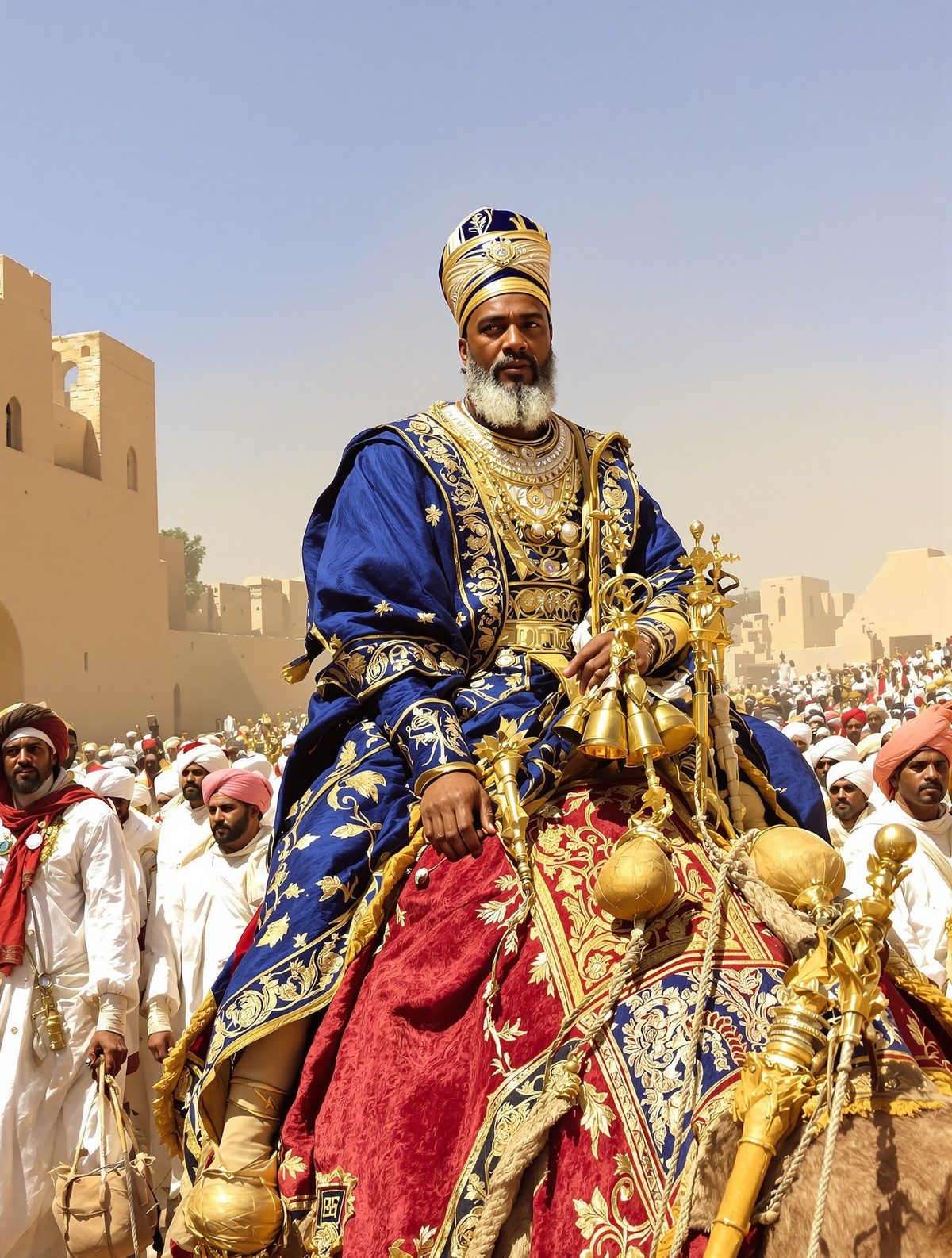
In the din of clashing swords and the chaos of the sea battle at Salamis, where the Aegean's azure waves froth with blood, a singular figure stands out—a woman commanding a warship. She is Artemisia of Halicarnassus, a name scarcely mentioned in Greek schoolbooks yet. Her brilliance and bravery in 480 BC would shape the course of history. As ships splintered and warriors screamed, Artemisia brought clarity where others floundered. This is the tale of how she not only counseled the great Persian king Xerxes but also unflinchingly told him the hard truth.
A Woman at the Helm
The year is 480 BC. The mighty Persian Empire, under the aegis of King Xerxes, stretches like a colossus across Asia, with its eyes hungrily set upon the defiant Greek city-states. Amongst the vast armada of more than a thousand vessels, one ship stands apart—not for its size or crew, but for its commander. Few would have expected a leader of Halicarnassus, a region within modern Turkey and a queen in her own right, to be leading a warship into the fray. That woman was Artemisia, a rarity in a world where powerful women were often relegated to the shadows.
She commanded five ships in Xerxes’ fleet, each painted in rich hues that belied their lethal purposes. The Greeks would have scoffed at their opposition—if only they knew the mettle of the commander who had vowed to bring ruin to Athens' prideful shores. Halicarnassus was no stranger to strong leadership, but Artemisia was an anomaly even amongst her ancestors. Renowned for her strategic acumen and battlefield experience, she was a worthy adversary often overlooked in the annals of so-called 'men's history'.
The Clash at Salamis
The Battle of Salamis is often recounted as the turning point in the Greco-Persian Wars. After the Athenian evacuation and the burning of Athens, the Greek forces, led by Themistocles, gathered their resolve on the narrow straits of Salamis. The Persians approached with a gargantuan fleet, certain of victory. Amongst them, swept along by the hope of conquest and glory, was Artemisia's crew.
The sun dawned over the choppy waters of Salamis on September 20, 480 BC, casting a bleak shadow over the coming confrontation. The Greeks, masters of naval warfare, lured the larger Persian fleet into the straits, a strategic trap that would afford their smaller, more maneuverable ships the advantage. Xerxes watched from his golden throne positioned on the cliffs of Mount Aigaleos, surveying the battle as if it were a personal theatre crafted for his enjoyment.
Yet, amidst the chaos, something remarkable was happening. Artemisia's ship was wreaking havoc upon her enemies with astonishing dexterity. Such was her tact that even Greek historians begrudgingly praised her, with Herodotus, the 'Father of History', noting her deeds with an admiring pen. In a fierce moment of strategic brilliance, she rammed a Persian ally ship to create the illusion she was an ally—a ruse so convincing even Xerxes is said to have exclaimed, "My men have become women, and my women, men."
A Voice of Reason in a Sea of Hubris
The battle raged as sound overpowered sense, but Artemisia remained undeterred, her mind a beacon of clarity amidst the storm. The Persian admirals regaled Xerxes with promises of a certain victory, keen to tell the king what he wished to hear. Yet, when the tides of battle turned, those same promises rang hollow. It was then, in the aftermath of false assurances, that Artemisia's voice rose above the cacophony.
Boldly, she approached Xerxes, advising him to cut his losses and retreat. She saw the writing on the wall—a prophecy of doom for the Persian fleet, battered by cunning Greek strategies and her own intimate knowledge of the harrowing truth. "Spare yourself, great king," she implored, using her intelligence and foresight that had guided her so deftly on the battlefield.
The boldness of her counsel was matched only by its accuracy. Xerxes, perhaps stunned by her audacity, heeded Artemisia’s advice. It was a stroke of wisdom that few men in his position might have embraced, but her truth was undeniable and urgent.
The Unseen Legacy of Artemisia
In the days that followed, the Persian forces began their slow retreat from Greek lands, undertones of the very chaos Artemisia had foreseen. Xerxes returned to his realm, leaving a portion of his sizeable army behind. The Greeks claimed victory at Salamis, bolstered by the victory of their cunning, in no small part abetted by Artemisia’s insight.
Yet, history often cast a shadow over her contributions, intertwining her fate with that of fickle memory. Artemisia’s actions at Salamis had kept the embers of Persia’s ambitions from engulfing Greece entirely—a paradox where her part seems both indelible and invisible.
Indeed, as history would have it, the aftermath saw her fading into obscurity in many historical recountings, marked only by her wisdom and valor, the kind that shook the pillars of empires and balanced the scales of war.
Why Artemisia's Story Matters Today
In unraveling Artemisia's story, we uncover a tapestry of courage submerged beneath millennia of dust and oversight. Her tale is more than just a footnote in history; it is a testament to the enduring power of truth and the indispensable role women have played in shaping the world at pivotal moments. She stood firm when others faltered, embodying the spirit of resilience and foresight in a sea of myths colorfully dominated by her male counterparts.
Today, Artemisia's legacy calls us to remember the significance of hearing all voices, especially those that history has traditionally sidelined. Her courage in challenging the mightiest empire of her time serves as a reminder that sometimes a single voice—no matter its source—can alter the destiny of nations. It reminds us of the vital importance of listening to truths, however discomforting, in a world often filled with the echoes of sycophancy.
Artemisia of Halicarnassus—the woman who steered her ship into the annals of history—left an indelible mark that silently shaped the course of a war, an empire, and the echoes of antiquity itself.