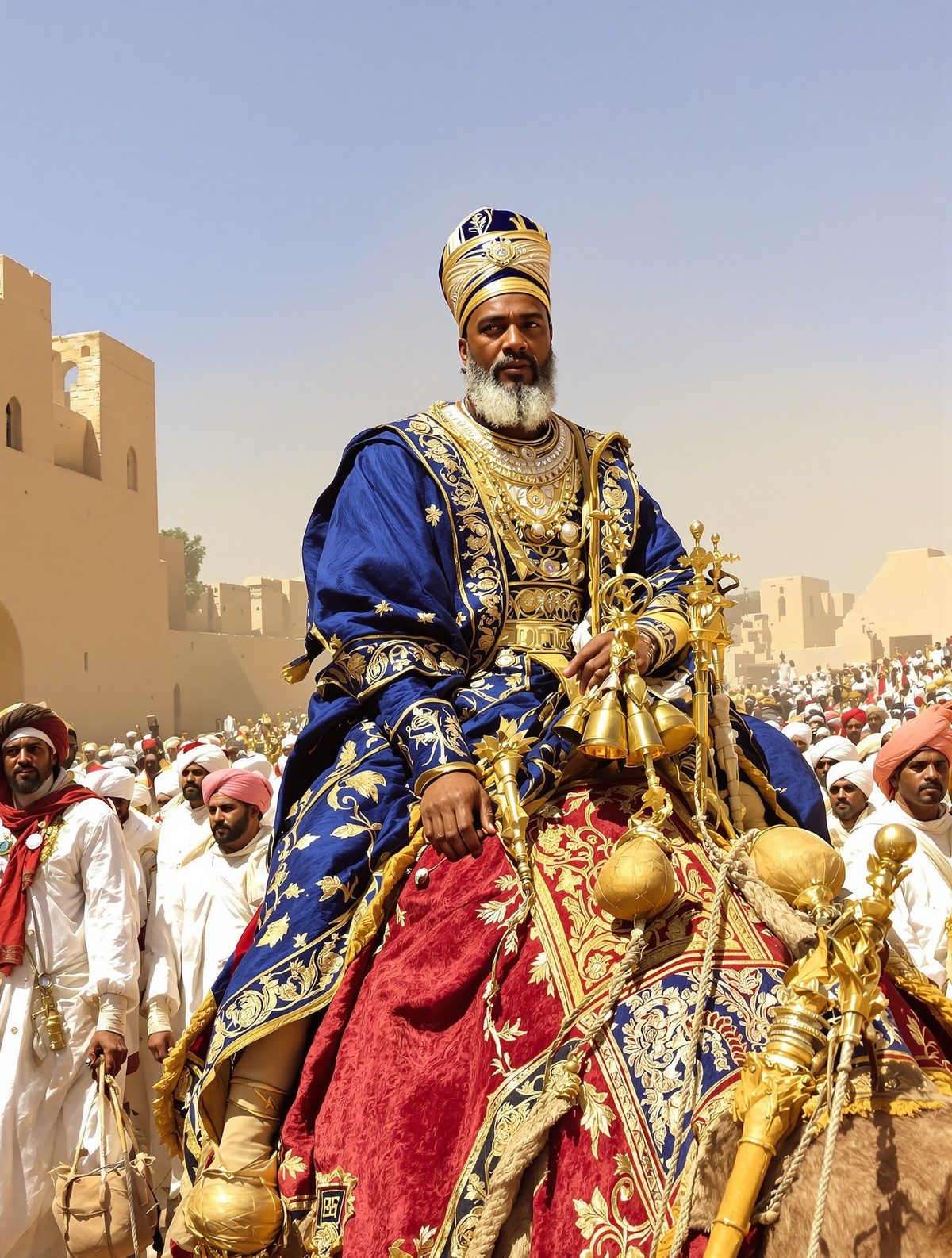
The heat of the burning city clung to the air like mourning shrouds as the last Aztec emperor stood on the water's edge, his face a stoic mask against the cacophony of suffering that enveloped Tenochtitlán. Where once majestic structures reached for the sky under the watchful gaze of Huitzilopochtli, now stood charred silhouettes, reminders of a crumbled empire. A figure of unyielding dignity amidst disaster, Cuauhtémoc refused to bow to destiny. Little did he know, his final act of defiance would echo through history, a testament to resilience in the face of unfathomable loss.
The Rise of the Eagle Descendant
Born in 1495, Cuauhtémoc, whose name fittingly means "Descending Sun" or "Eagle that Descends," rose through the Aztec ranks amidst the twilight of their dominion. When Moctezuma II fell to the omens of contact with Hernán Cortés and his conquistadors in 1520, and his successor, Cuitláhuac, succumbed to smallpox months later, the mantle of power fell to Cuauhtémoc. At merely 25 years old, he was entrusted with a nation beleaguered by plague and existential threat. Yet, he inspired fierce loyalty among his people with his formidable resolve and war acumen.
Cuauhtémoc's ascent to leadership was a last bid for autonomy against the tide of Spanish ambition. His first move as emperor carried the desperate, brilliant veneer of one standing against inevitability; he fortified Tenochtitlán for what would be its final stand. With a city surrounded by advancing Spanish forces and their allied indigenous tribes, Cuauhtémoc became the embodiment of resistance, an eagle descending not in defeat, but in honor.
Warriors of a Burning City
In May 1521, Cortés launched a siege that would last three grueling months. Over 200,000 souls spilled onto the blood-soaked canvas of war, including thousands of Aztecs and nearly all of Cortés’s 2,500 men equipped with artillery and steel blades unknown to these lands. As disease, hunger, and bombardment wreaked havoc, the city did not falter without delivering fierce reprisals.
The Spanish assault was relentless, yet the resolve of the Aztec warriors summoned imagery straight from the annals of epic legend. With weapons forged from obsidian, they met Spanish steel for months, their will as indomitable as the volcanic rock of their blades. Cuauhtémoc, leading by example, embodied this unyielding spirit. Streets billowed with both the smoke of desperate fires and the war cries of men who fought for every last inch.
Betrayal on the Trusting Lagoon
As August dragged on, starvation gnawing at what remained of the will to fight, Cuauhtémoc sought an alternate end to the bloodshed. He endeavored to negotiate with Cortés but was met with deceit. His canoe, a beacon of intention, was intercepted on the lagoon waters. Cuauhtémoc, the revered emperor, was shackled and paraded through his beleaguered domain. The sight of their captured leader broke the spirit of the remaining defenders. On August 13, 1521, Tenochtitlán fell, marking the end of an era.
A Trial by Fire
The fall of Tenochtitlán could have marked the end of Cuauhtémoc’s story, yet his ordeal would stretch beyond the city’s collapse. Fate had one last trial in store. Under captivity, Cortés demanded to know where the mythical treasures of the Aztecs lay hidden. The conqueror believed Cuauhtémoc guarded the key to fortunes that could bolster his position in the eyes of the Spanish crown.
Cuauhtémoc was subjected to brutal physical torture. His feet were scorched on hot coals—an agonizing testament conjuring both hellish desperation and limitless fortitude. Yet, throughout his suffering, he remained silent, revealing nothing of the presumed gold's whereabouts. His successor, Tlacotzin, suffering beside him, screamed in agony, pleading for relief. Cuauhtémoc turned to him with a sentence remembered across generations: "Am I to be on a bed of roses?" he inquired, a stark reminder of shared suffering and unbroken spirit amidst inhumanity.
The Legacy of the Descending Eagle
Cuauhtémoc’s final years were shrouded in the shadows of Spanish intrigues. He was executed in 1525 under dubious charges of conspiracy during a journey to Honduras—his life extinguished long before he could witness the enduring symbol he would become.
The fall of Cuauhtémoc’s Tenochtitlán serves as a haunting reminder of cultural collision and the attendant human cost of empire. His story resonates deeply in modern times, embodying resilience against erasure and the defiance of identity. The contemporary resurgence of indigenous voices in global narratives reflects Cuauhtémoc’s spirit, an endless graveyard whisper that defies silence.
Today, Cuauhtémoc's legacy is more than the legend of gold and fire; it is a tribute to enduring spirit. It urges us to consider what we hold dear in the face of insurmountable odds and to remember that even when the eagle descends, it watches diligently for the rise of a new dawn.