She was a widow, thrust into a world dominated by men. She became one of the most brutal rulers of her time.
A Widow's Mourning Turns to Fury
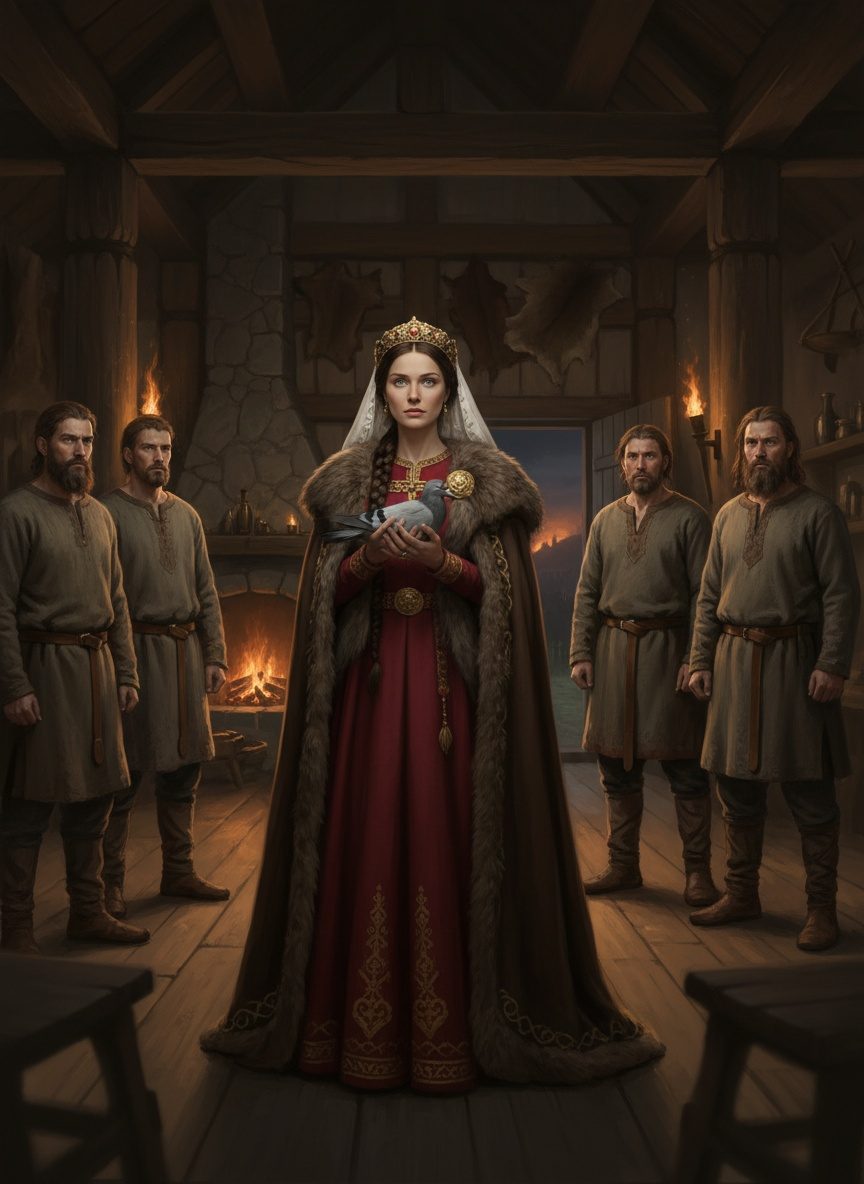
In the year 945 AD, the early medieval landscape of Eastern Europe was a tapestry of tribes, territories, and shifting alliances. Among these were the Kievan Rus, a federation that encompassed parts of modern-day Russia, Ukraine, and Belarus. At the center of this volatile scene was Olga of Kiev, a woman who had transformed from a grieving widow into a ruler with vengeance coursing through her veins. The sequence of events that propelled her from mourning to revenge is one of the darkest and most strategic plots of retribution recorded in medieval history.
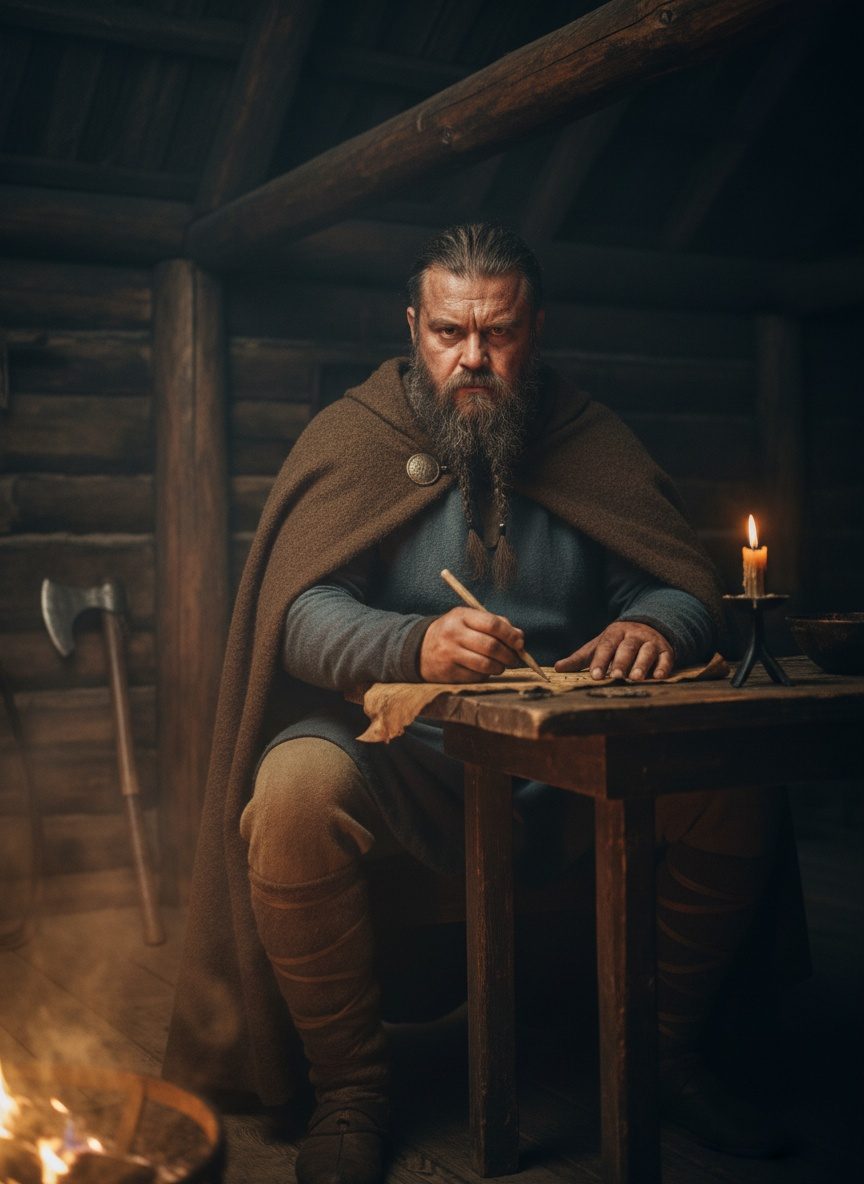
Prince Igor of Kiev, beloved husband of Olga, had met his fate at the hands of the Drevlians, a tribe located west of Kiev. Their attack was impudent, killing Igor as he attempted to collect tribute—a customary obligation—to support his rule. The Drevlians, perhaps underestimating Olga’s resolve, sent ambassadors to negotiate and propose that Olga marry their prince, Mal. They assumed the weakened Kievan Rus would swiftly fall under their control. They were woefully mistaken.
Master of Deception
Upon receiving the emissaries, Olga maintained a facade of calmness and obsequious respect. She greeted them not with hostility, but with feigned hospitality, inviting them to meet in Kiev. The Drevlians were unaware; behind Olga’s courteous demeanor lay a master strategist plotting their demise. The first envoy, sent with the proposition of marriage, found themselves greeted with elaborate gestures of false friendship and ushered into a boat down the Dnieper River. It was a trap. Olga ordered the boat to be buried alive, a shocking welcome that marked the beginning of her chilling campaign of political theater.
Having dispatched the initial emissaries, Olga sent word to the Drevlians requesting a second delegation, assuring them of her submission. Expecting success, the Drevlians sent more of their noblest men. They too received an unexpected reception—a fiery demise—executed under the guise of a banquet in their honor. Olga’s wry revenge ensured that no Drevlian returned to tell the tale of their comrades’ fate.
A Last Request for Peace
With her wrath unassuaged, Olga embarked on a campaign against the capital of the Drevlians, the city of Iskorosten. Yet, before engaging in open warfare, she presented a strikingly simple request. She asked for a nominal tribute—three pigeons and three sparrows from each household. This seemingly innocent plea disarmed the townspeople, weary from prior assaults. They naively consented to her whim, unaware it was a lethal stratagem designed with insidious brilliance.
For within each bird's claw, Olga and her warriors attached shreds of burning cloth. As dawn broke, carrying the breeze and the birds to their homes, the city found itself engulfed in flames. Scarcely understood, the city writhed, bewildered by the fiery specter orchestrated by Olga’s cunning mind. The devastation was absolute; the Drevlians were forced into submission not by sword or siege, but by a ruse that turned their avian messengers of peace into instruments of annihilation.
The Power of Intimidation
Olga's calculated strategy ensured that the balance of power shifted back into her hands. Her approach was as psychological as it was physical. It obliterated the Drevlian threat spectacularly, ensuring that all who heard of her methods thought twice before challenging her authority. Her rule was characterized by acts of both savage retribution and prudent governance, skills honed from the constant need to protect her people's interests against internal dissent and external threats.
As regent for her young son Svyatoslav, Olga fortified her position, transforming the Kievan Rus into a formidable entity. She later converted to Christianity, a decision that would ripple through her realm and beyond, aligning Kievan Rus culturally and religiously with Byzantium rather than its pagan past—a legacy far removed from the fiery vengeance that solidified her authority.
The Lasting Impact of Olga’s Wrath
This story of Olga of Kiev is not merely a tale of vengeance; it is a vivid narrative of political acumen and foresight amid the turbulence of medieval Europe. It serves as a powerful depiction of how might was wielded through intelligence and strategy as much as by brute force. Olga's actions reinforced that in the ever-shifting tapestry of power, even the seemingly small requests could become harbingers of massive change. Her reign, marked by this decisive event, carved her place in history as a force to be reckoned with—a formidable leader who understood all too well that sometimes the tools of warfare and diplomacy could be as subtle as a bird's flight in the morning sky.