Nezahualcoyotl was just a boy when he lost everything. Within his lifetime, he transformed a society.
The Fall of the House of Texcoco
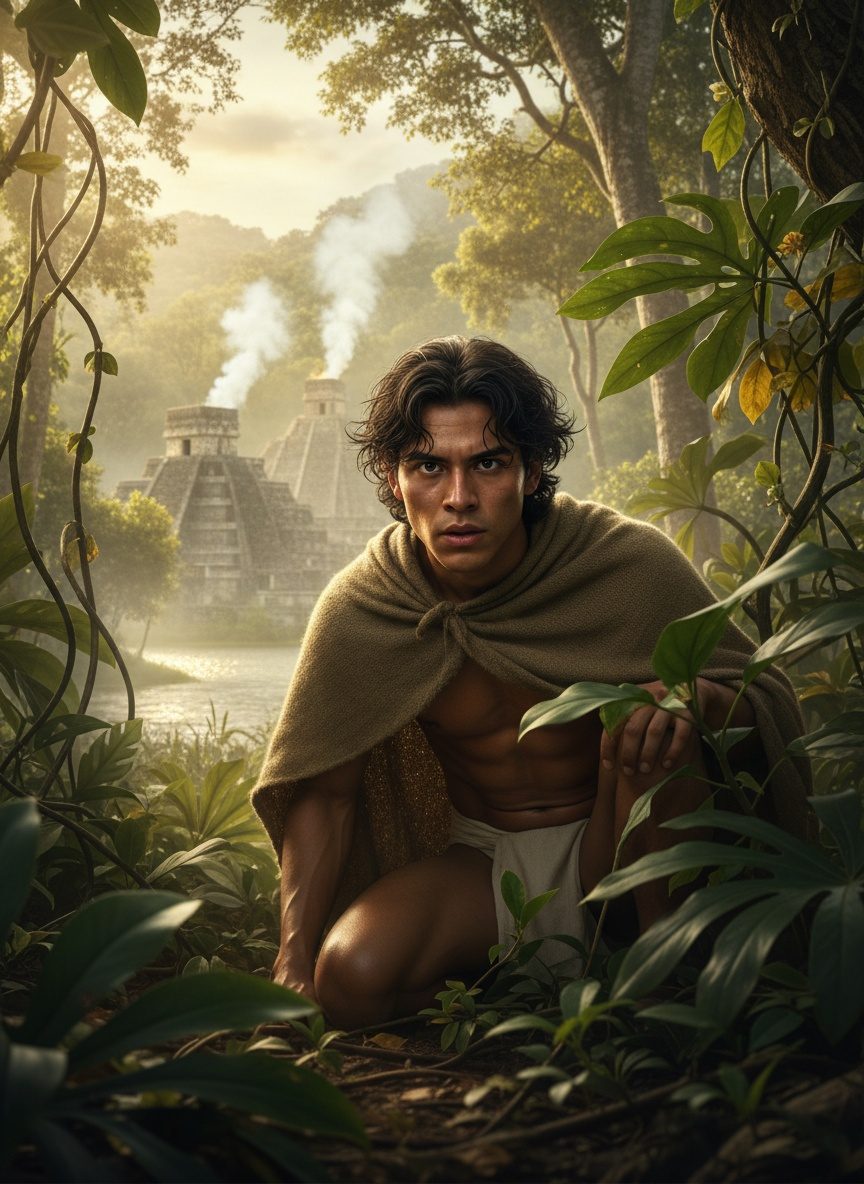
In the dawn of the 15th century, the vibrant kingdom of Texcoco, located in the heart of the Valley of Mexico, was ruled by the wise and revered King Ixtlilxochitl. His reign was marked by prosperity and harmony, a golden era for his people nestled beside the shimmering Lake Texcoco. However, in 1418, this peaceful existence was shattered. Nezahualcoyotl, the heir and son of Ixtlilxochitl, watched helplessly from the shelter of the dense trees as his father was defeated and executed by Tezozomoc, the powerful warlord of the Tepanec. It was a moment that would etch itself into the young prince's heart, igniting a fire of resilience and ambition that only years of hardship could temper.
The victorious Tepanecs razed Texcoco to the ground, sending its inhabitants scattering into the jungle. Nezahualcoyotl, a mere fifteen-year-old, was now a fugitive, forced to navigate the untamed wilderness. His refuge amongst the trees mirrored the political wilderness that was pre-Columbian Mesoamerica, where city-states battled for dominance under the sharpened shadow of conflict. Yet, during these years of exile, the boy who hid grew into a man of profound vision. His solitude became a crucible for wisdom and strength, transforming him into someone who understood both the fragility and resilience of his people.
Years in the Wilderness
Stripped of the trappings of royalty, Nezahualcoyotl roamed free yet haunted in the jungles and mountains surrounding his fallen home. He adopted the way of the land, blending into the world of common folk and learning the survival skills necessitated by his new life. This experience, harsh and unrelenting, gave him a unique education beyond the reaches of palace walls. In the embrace of nature, he absorbed how the land itself was both a creator and destroyer, a theme that would color his future works.
These were not idle years. The young Nezahualcoyotl pondered the failure of his father's kingdom and the lessons that could be drawn from its downfall. The narratives of power, loyalty, and betrayal unfolded in his mind, laying the groundwork for an unprecedented understanding of rule and governance. In the shadow of the mountains, he gathered allies, won their trust and loyalty, and crafted visions of a city reborn. He became known not just as a prince wronged, but as a leader among the dispossessed, a visionary laying the seeds for a magnificent future that yet seemed distant.
The Return to Texcoco
Years of wandering culminated in Nezahualcoyotl's covert and strategic return to Texcoco. By now, he understood more than just the martial means required to reclaim his birthright; he envisaged a new kind of leadership grounded in wisdom, art, and diplomacy. Through astute alliances and a blend of tactical brilliance, he gathered forces and swept aside his enemies, the foundation of his father's dreams now watered by the trials he had endured.
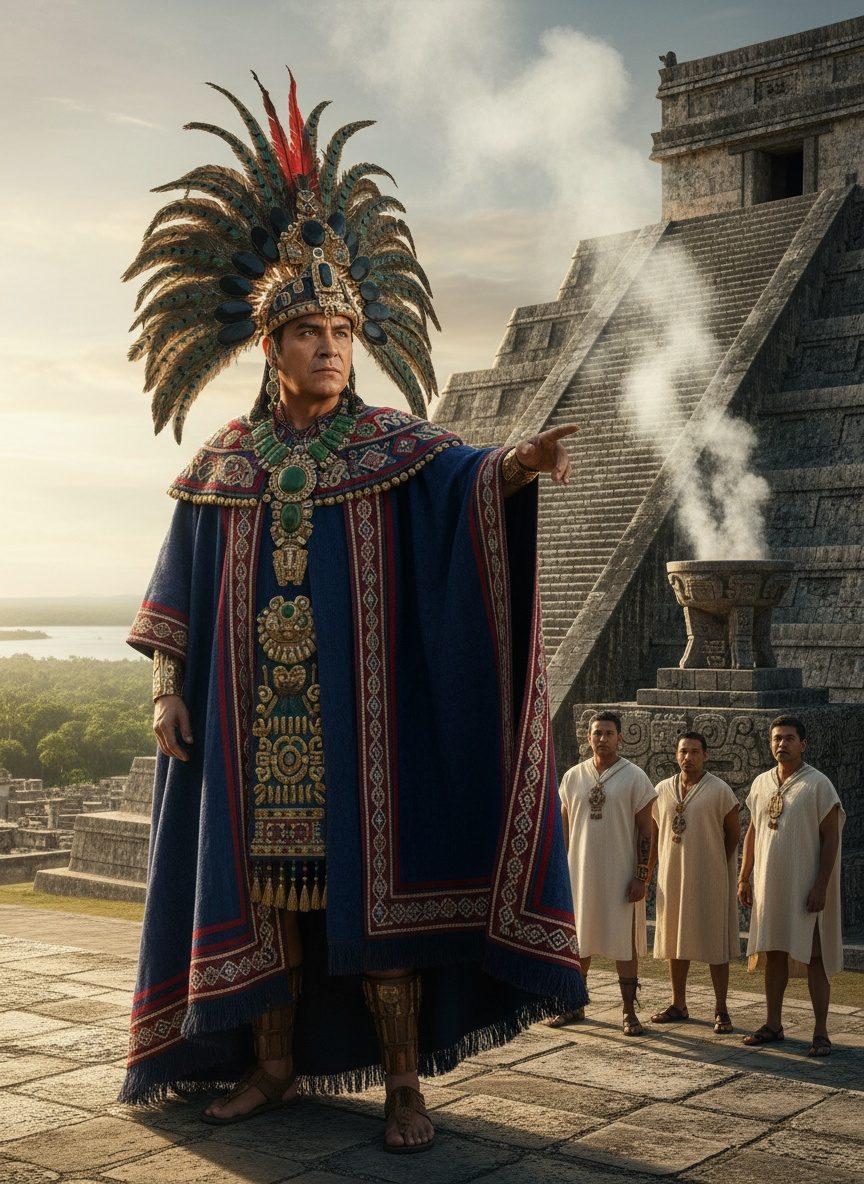
Texcoco, still echoing with the clamor of its demise, rose again but now as a beacon of culture and intellectual prestige in Mesoamerica. Nezahualcoyotl, the poet-king, became worthily named as such, with his reign marked by both majestic urban development and a profound cultural renaissance. He embarked on the ambitious project of reconstructing his kingdom, incorporating magnificent architecture, as well as setting a stage for scholarship and poetry to flourish. Under his leadership, Texcoco was revitalized into a shimmering city on water, interconnected with canals and structured gardens that mirrored the intricate beauty of his royal poems.
The Poet-King and His Legacy
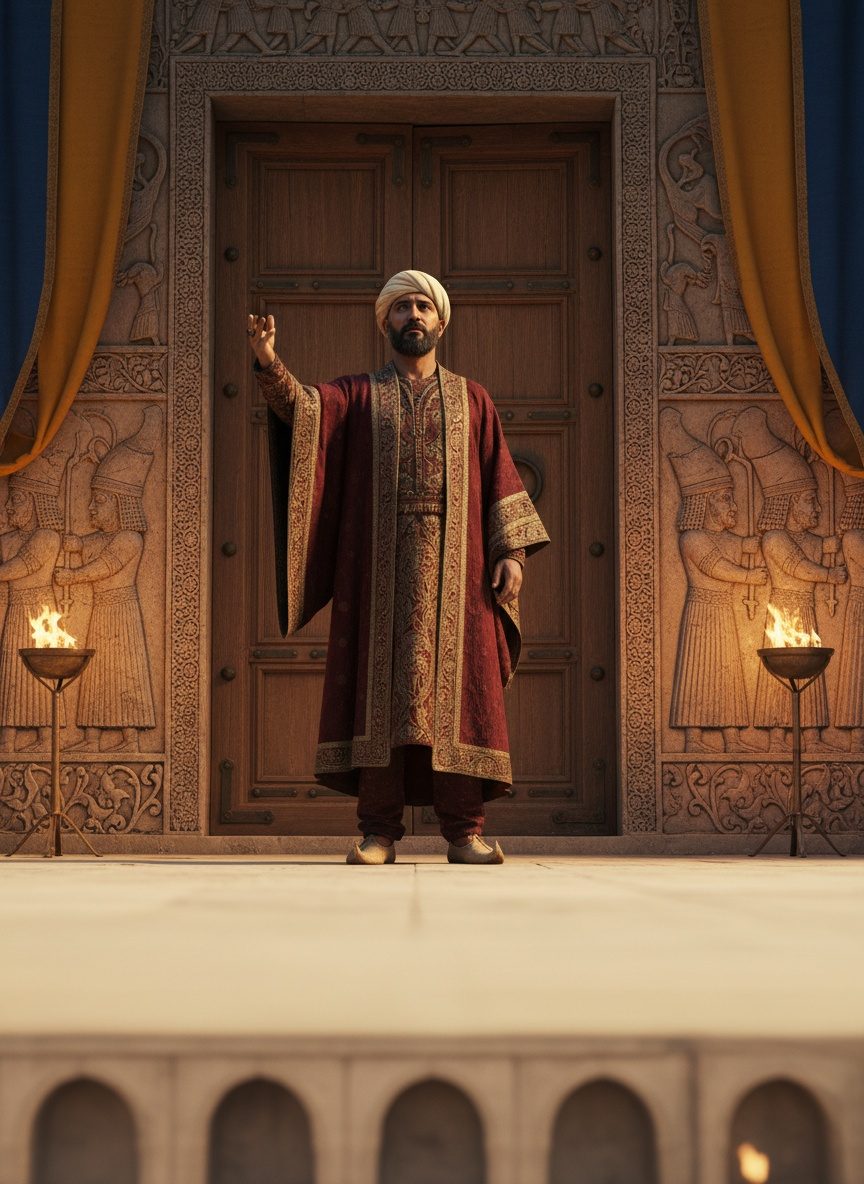
Nezahualcoyotl's wisdom and erudition echoed across the valley. His governance was innovative, introducing laws designed to ensure fairness and order, a testament to his commitment to justice over tyranny. Yet, it was the emperor's love for poetry and the arts that distinguished his reign. Every word written was a testament to the struggle and sacrifice that shaped his life. His poetry channeled the rich fabric of human emotion—love, loss, nature, and the divinity found within life's fleeting existence, each verse reflecting the complex interplay of his personal and political journey.
Texcoco under Nezahualcoyotl became a center of learning and artistic accomplishment, known as the "Athens of the Western Hemisphere." His cultural and architectural advancements laid critical foundations that influenced generations, contributing to the thriving indigenous civilizations before the fall of Mesoamerican societies brought about by European invasions. Despite his past heartaches, Nezahualcoyotl nurtured a kingdom where beauty merged with intellect and empathy guided governance, leaving behind a legacy woven with words more eternal than stone.
Nezahualcoyotl’s story reminds us that the most profound transformations often arise from our darkest moments. The young prince who once soared among the trees learned to hold both power and vulnerability in harmony. His remarkable life unfolds as a vivid testament to the incredible resilience of the human spirit, proving that from the depths of despair, one can rebuild a world not just of walls and pillars, but of ideas and ideals lasting centuries beyond their time.