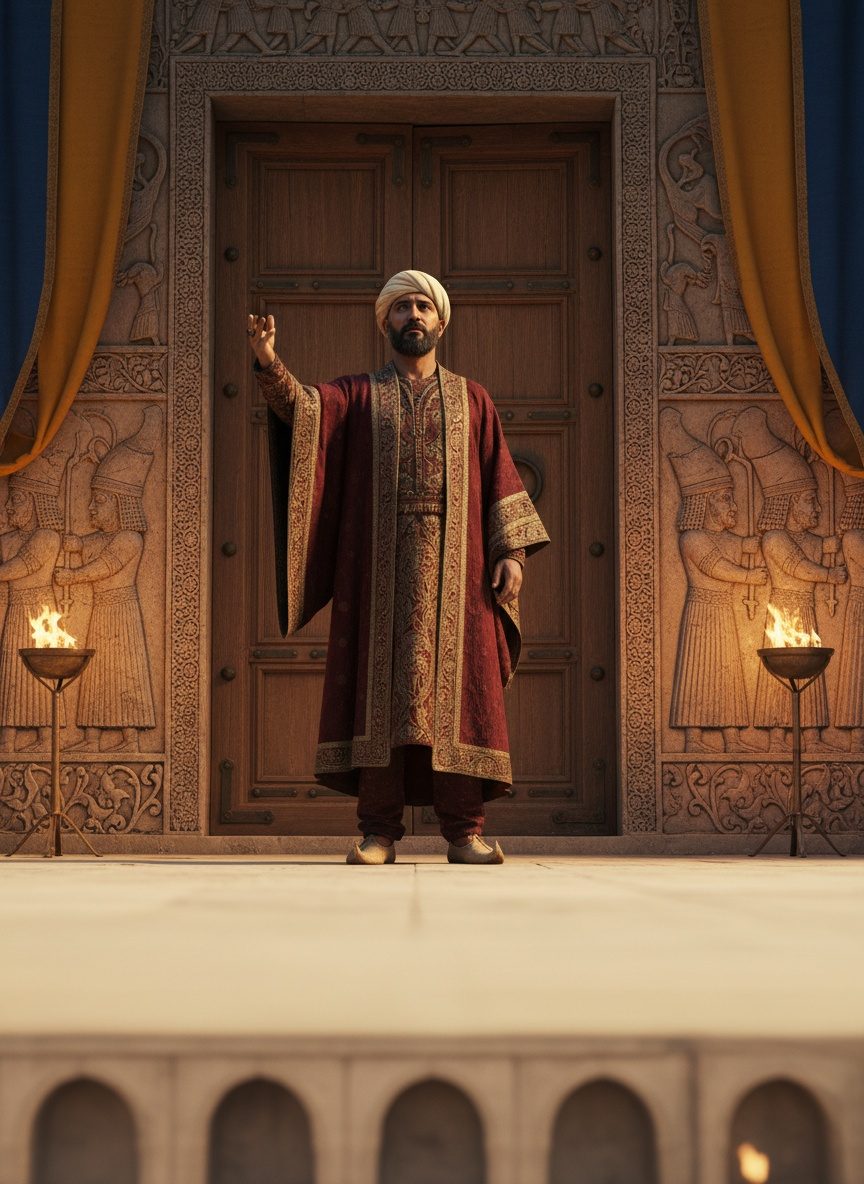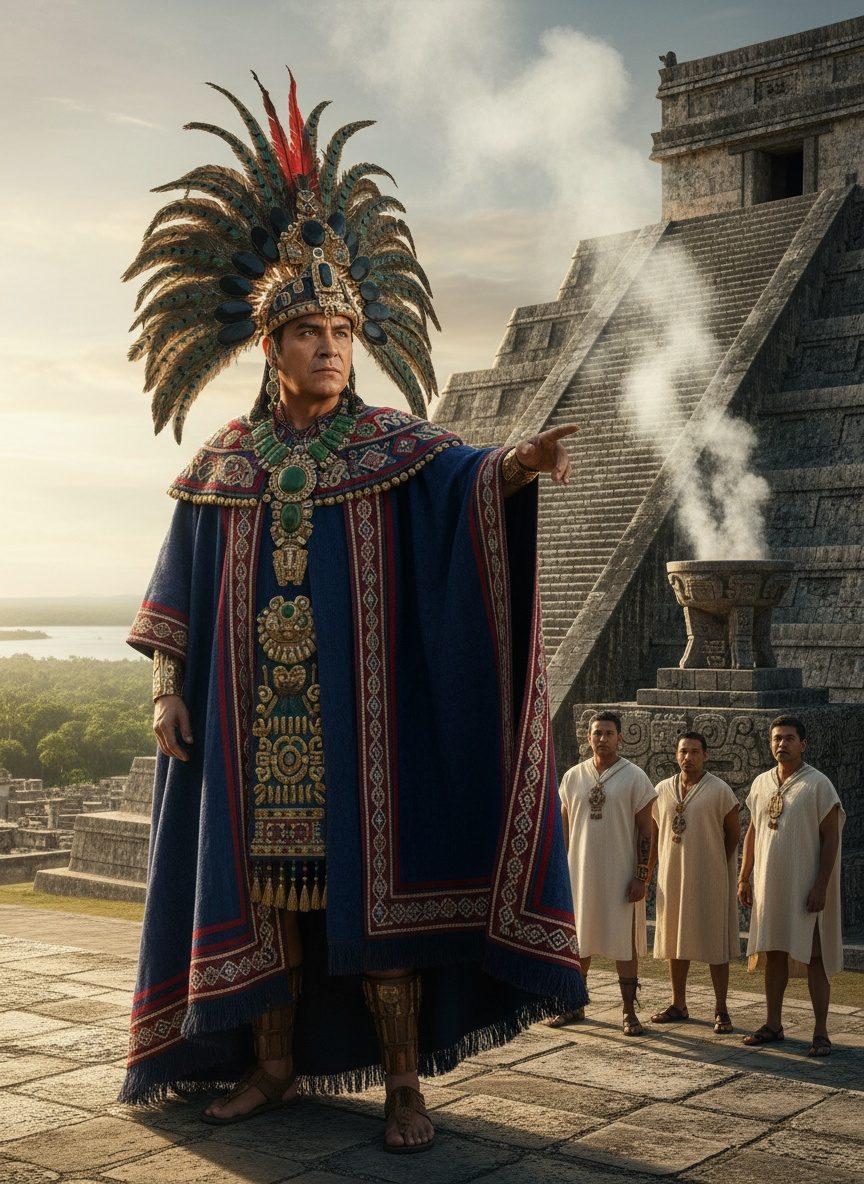
He never wore a crown, yet he ruled mightily by shaping the thoughts of those who did. His fingerprints were on the heart of the Aztec Empire as it beat to the rhythm of conquest. Tlacaelel, the silent architect behind Tenochtitlan's rise, was more than a mere advisor—he was a visionary transforming an embattled tribe into a colossus of Central America.
In 1427 AD, the Aztec Triple Alliance was freshly minted, an unlikely coalition born in the cauldron of necessity and ambition. Three city-states—Tenochtitlan, Texcoco, and Tlacopan—joined forces to defy the oppressive Tepanecs, who had dominated the Valley of Mexico. It was not a partnership of equals but rather one orchestrated with strategic brilliance by the emerging voice of Tlacaelel, who held no official title yet wielded influence unrivaled by any imperial scepter.
Serving as the chief counselor to four successive emperors, Tlacaelel refused the throne not once, not twice, but three times. In a society where power was often measured by tangible symbols like crowns or robes, Tlacaelel's dominion lay in his ability to pull the strings of destiny, reshaping the very identity of the Aztecs. Turning away from glory, he instead focused on crafting an empire of hearts and minds, embedding a pervasive ideology that turned a loose federation of warriors into a unified machine.
It was Tlacaelel's belief that the young Aztec empire needed more than political alliances and superior arms. It needed the binding force of a powerful mythology and a common purpose. He saw this in the form of the sun god, Huitzilopochtli, elevating this deity above others in the Aztec pantheon. The narrative he wove was one of divine favor that ordained the Aztecs as the chosen people, destined to rule and redeem the earth through blood sacrifice, a concept deeply rooted in the Mesoamerican worldview.
His contributions didn’t stop at the divine. Tlacaelel orchestrated the infamous "Flower Wars," strategic conflicts designed not for territorial gain but for the capture of sacrificial victims. These ritualized battles served both as a means of population control and as a tool to maintain psychological dominance over neighboring cultures. They were, in essence, a dark art of statecraft, ensuring a steady flow of offerings to Huitzilopochtli, thereby reinforcing the belief in Aztec divine superiority.
Tlacaelel’s mastery extended into the realm of historical narratives. Taking a page from storytellers as old as time, he ordered the burning of historical records that contradicted his vision. Additional epics were composed, outlining a history that cast the Mexica people—the core ethnic group behind the Aztecs—under a divine spotlight. It was a breathtaking act of cultural creation, fostering a shared identity and legitimizing the ruling class in the eyes of the conquered peoples.
In Tenochtitlan, the city transformed under his influence from a swampy settlement into a spectacular metropolis that symbolized the might of the Aztec Empire. With its grand plazas, towering pyramids, and humming markets, the city was both a political and a religious center—a place where the gods felt ever-present. Tlacaelel's hand was behind these urban projects, guiding the labor and resources that almost seemed summoned by divine favor.
Yet, through all his influence, Tlacaelel remains obscure, cast in the shadows by the emperors he served with distinction—Itzcoatl, Moctezuma I, Axayacatl, and Tizoc. Perhaps it is because he never sought glory through titles or boasted of his accomplishments inscribed on monuments. His ambitions were like the undercurrents of a river, powerful and invisible, guiding the course of the empire’s journey.
The Aztec Empire grew into a mighty force, expanding its reach through half a century of dominance. Yet, it is the ideology crafted by Tlacaelel that left indelible marks on the fabric of indigenous history. It was an ideology that survived centuries, outliving even the monumental structures that captured the imagination of conquistadors who would eventually arrive at the empire's doorstep.
In reflecting upon Tlacaelel's legacy, we see the power of ideas over tangible rule. His life warns us of the profound influence hidden voices can wield in shaping not just historical events but the stories we tell about ourselves. The Aztecs came to see themselves as bearers of cosmic responsibility—a worldview that intertwined with their politics, warfare, and daily life. In the myths they revered and the wars they fought, Tlacaelel's vision lived on, as potent as any empire built on steel or stone.
Today, Tlacaelel stands as a shadowy figure in the annals of history, much like the footnotes that illuminate the main text. His anonymity is more than mere oversight; it underscores the layered complexity of historical memory and its narrative selectivity. As we piece together the past, it is figures like Tlacaelel who remind us that the most compelling stories are not always of kings and warriors but sometimes of those who whisper in their ears, sculpting destiny quietly beneath the roar of history's march.