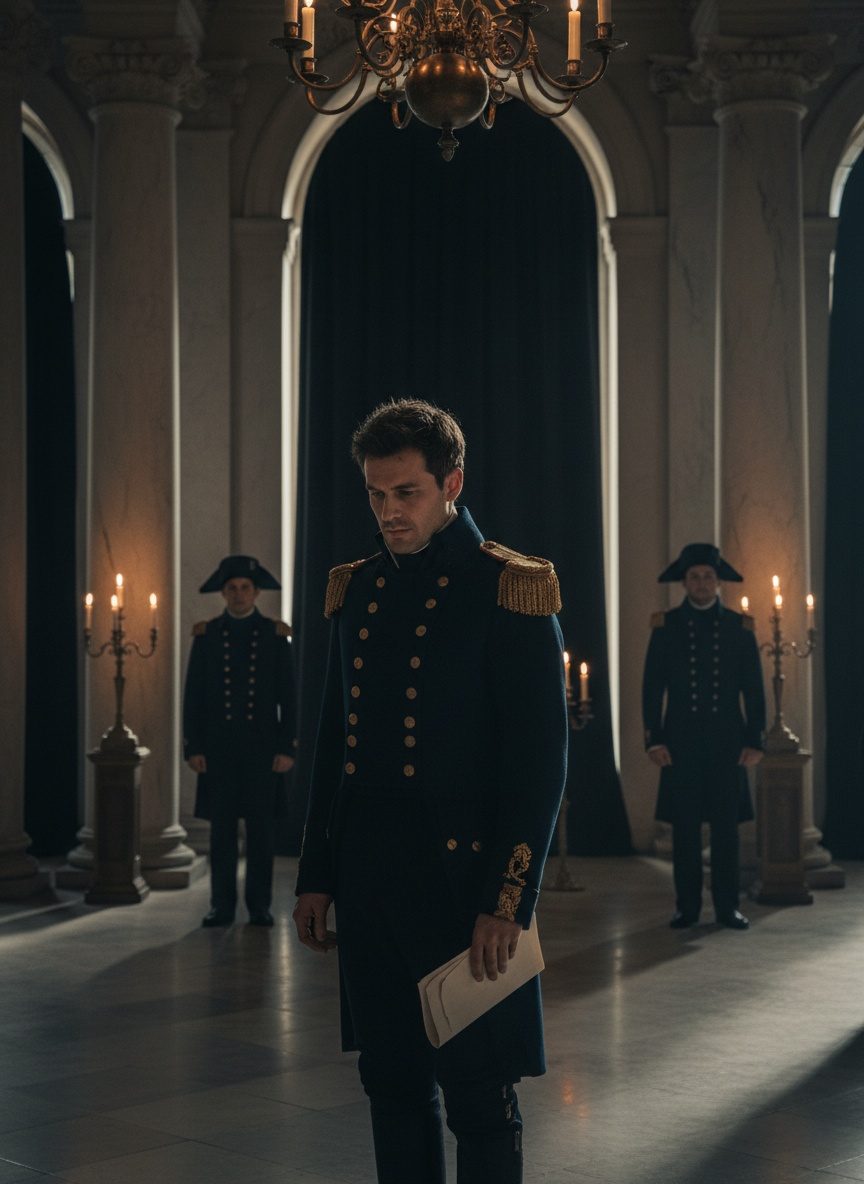
December 14, 1799. The chill of winter settled heavily over Mount Vernon.
The Death of a Revolutionary Leader
On that somber day, the world bid farewell to George Washington, the formidable leader who had shaped a fledgling nation. His death sent ripples across the globe, transcending oceans and borders. In the hearts of many Americans, a deep void was left, akin to the loss of a founding pillar upon which the very fabric of their country was woven. Washington's leadership had guided the American colonies through the trials of the Revolutionary War and onward to independence, standing as a beacon of resilience and hope.
But what surprised many was the breadth of mourning beyond American shores. While Americans grappled with their grief, an ocean away, Europe, embroiled in its upheavals and revolutions, paused to reflect on a man who had changed the course of history. None could have anticipated the profound impact Washington's passing would have, even touching those who once called him an adversary.
Napoleon's Gesture of Respect
In the heart of post-revolutionary France, where the echoes of liberty, fraternity, and equality continued to reverberate, a young and ambitious leader sat watching. Napoleon Bonaparte, not yet the emperor but already a pivotal figure in French politics, was struck by the news of Washington's death. Although Napoleon had never met Washington, he recognized in him the epitome of leadership that transcended the bitterness of past conflicts.
In an extraordinary gesture, Napoleon proclaimed ten days of mourning across France. French flags were ordered to be draped in black. This was not merely a diplomatic move; it was a nod to a leader whose principles and actions resonated with the ideals that had driven France’s own revolution. Napoleon, ever the keen strategist, may have seen in Washington a reflection of what he hoped to achieve—a new world order sculpted by military genius and unyielding resolve. Yet, this recognition was also deeply personal, highlighting a shared sense of revolutionary spirit.
Napoleon's order to honor Washington was a profound moment of mutual respect between two nations still navigating the volatile seas of revolution and change. It underscored a new era of admiration born out of struggle and visionary leadership.
Shocking Reverence from Former Foes
Across the English Channel, another unexpected tribute unfolded. The British, who had once clashed so fiercely with Washington during the American Revolution, now lowered their warships' flags in respect. This was a striking act of reverence from a nation that had experienced firsthand Washington's defiance and unyielding quest for independence.
The British had begrudgingly come to admire Washington for his honorable conduct during the war. His name, once spoken with disdain, now carried an air of respect. To the onlookers of the world stage, the lowering of British flags marked a significant moment—a recognition of Washington's achievements and character that transcended past grievances.
This thoughtful act from the British signaled an understanding of Washington's stature as a global leader, a figure with whom even former adversaries could find common ground in respect.
A Global Inspired Legacy
The global reaction to Washington's death sparked conversations about leadership, legacy, and the delicate balance between warfare and diplomacy. His ability to command respect across nations testified to the powerful legacy he left behind—an example of leadership founded on integrity and vision.
As the world watched in solemn unity, this wave of mourning was more than mere formality; it was an acknowledgment that the ideals for which Washington stood claimed a universal dimension. The news coverage, written words, and word-of-mouth accounts of the moment inspired future generations to reflect on the qualities that define true leadership.
At a time when tumult and transformation were constants, Washington's life exemplified the notion that great leaders could, through sheer force of character and dedication to principles, alter the course of history. In the silence following his death, the reverence from friend and foe alike painted a visionary portrait of leadership that still speaks to modern sensibilities.
This story matters because it showcases the human ability to transcend division, offering a powerful reminder of the respect that can bridge former enmities. It underscores the enduring impact of leadership that genuinely serves the greater good, laying the groundwork for understanding how respect, even from one’s adversaries, is earned through moral courage and unyielding dedication to principles.