Picture this: you're the most powerful king in Asia Minor, ruler of vast territories and countless subjects, yet you're slowly dying of thirst while surrounded by the finest wines in your palace. Every goblet you raise to your lips transforms into solid gold the moment your fingers brush its surface. This was the horrifying reality that King Midas of Phrygia faced in the 8th century BC, when his greatest dream became his most terrifying nightmare.
The story of King Midas isn't just another Greek myth relegated to dusty philosophy textbooks. Archaeological evidence suggests that Midas was a real historical figure who ruled the powerful Phrygian Kingdom around 738-696 BC, commanding territory that stretched across much of modern-day Turkey. What happened to him in those final, golden days remains one of history's most chilling cautionary tales about the price of unchecked greed.
The Real Kingdom Behind the Legend
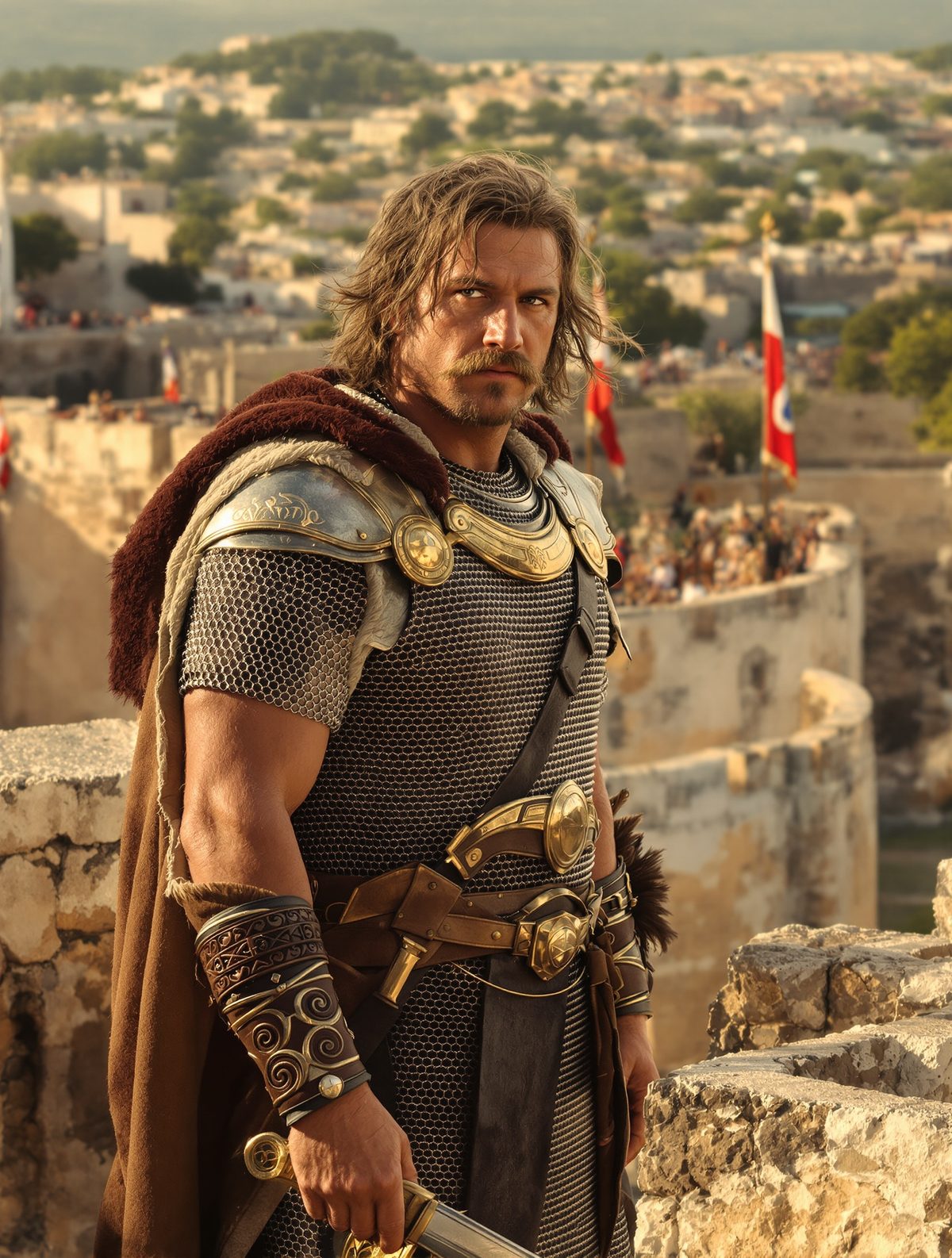
Long before his fateful encounter with divine powers, Midas ruled from his magnificent capital of Gordium, located about 70 miles southwest of modern Ankara. The Phrygians weren't some backward mountain tribe—they were sophisticated metalworkers, master musicians, and shrewd traders who controlled crucial trade routes between Europe and Asia. Their kingdom flourished during the 8th and 7th centuries BC, making them contemporaries of Homer and the early Greek city-states.
Archaeological excavations at Gordium have revealed a civilization of remarkable wealth and artistry. The largest burial mound at the site, known as the "Midas Mound," stands nearly 175 feet high and contains a wooden tomb chamber that may have belonged to either Midas himself or his father. Inside, archaeologists discovered an astounding collection of bronze vessels, wooden furniture inlaid with intricate designs, and textiles that had been preserved for nearly three millennia.
But here's what they didn't teach you in school: the Phrygians were already obsessed with gold long before Midas's legendary curse. The kingdom sat atop some of the richest gold deposits in the ancient world, and Phrygian goldsmiths were renowned throughout the Mediterranean for their skill. Some historians believe this real-world wealth may have inspired the mythological elements of Midas's story.
The Fateful Encounter with Dionysus
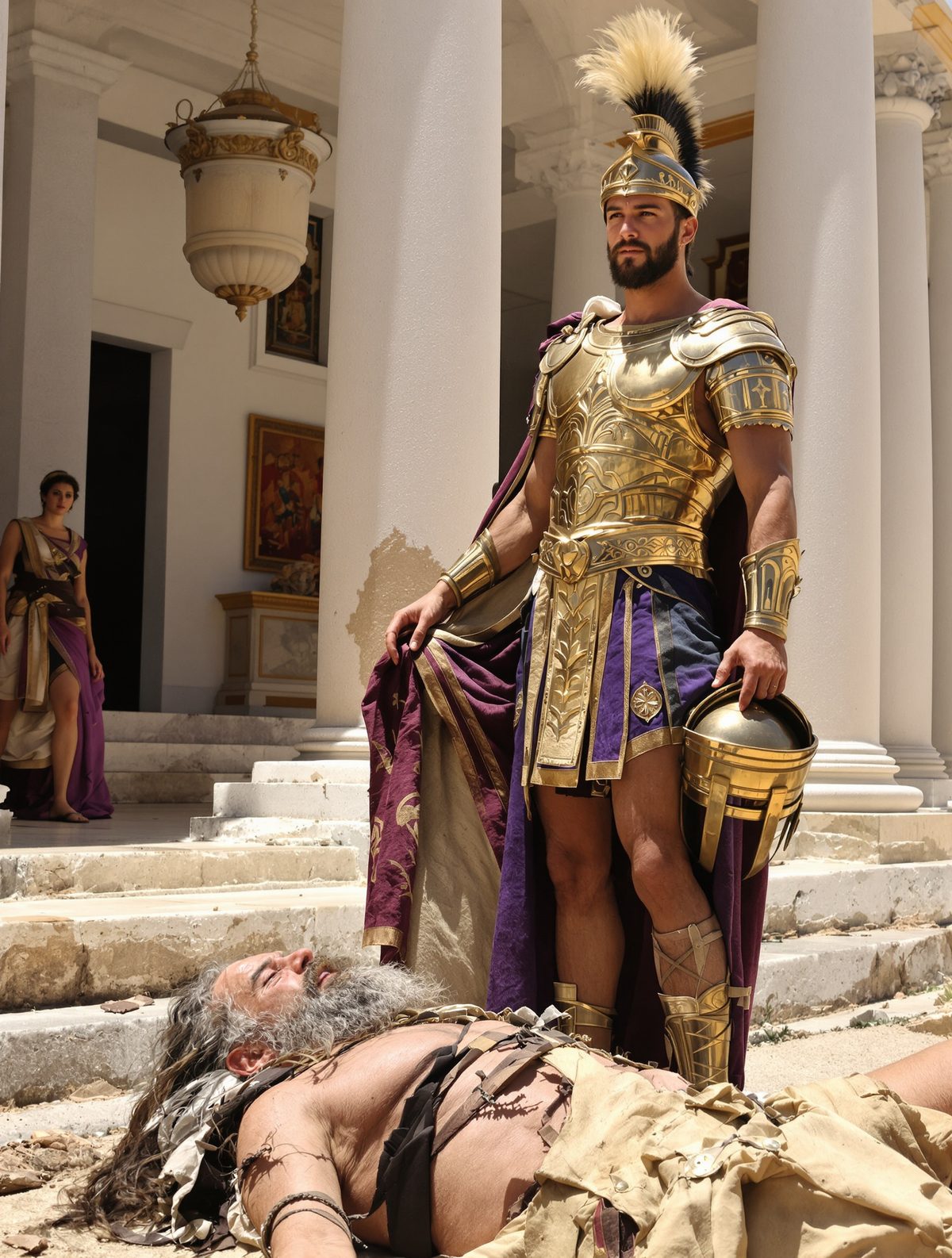
According to the ancient sources, particularly the Roman poet Ovid's Metamorphoses, Midas's transformation began with an act of kindness. The king discovered Silenus, a drunken satyr and companion of the wine god Dionysus, wandering lost in his royal gardens. Rather than punishing the intruder, Midas treated Silenus as an honored guest for ten days and nights, providing him with the finest food, wine, and entertainment his palace could offer.
When Dionysus arrived to reclaim his wayward companion, he was so pleased with Midas's hospitality that he offered to grant the king any wish his heart desired. Without hesitation, Midas made his request: everything he touched should turn to gold. The god warned him to think carefully, but Midas was adamant. His wish was granted immediately.
What many people don't realize is that this wasn't just about personal wealth. In the 8th century BC, gold wasn't merely a luxury—it was the foundation of political power. The first true gold coins wouldn't appear until around 650 BC in nearby Lydia, but gold dust and nuggets were already the primary means of international trade. For a king like Midas, the ability to create unlimited gold meant unlimited power over neighboring kingdoms, endless resources for armies, and the capacity to build monuments that would last forever.
The Golden Hell Begins
The initial moments of Midas's new power must have felt like pure euphoria. Imagine the rush as he touched a simple olive branch and watched it transform into gleaming metal, its every leaf and twig rendered in perfect golden detail. He moved through his palace like a man possessed, touching pillars, furniture, decorations—everything becoming infinitely more valuable under his fingers.
But the horrifying reality set in within hours. When servants brought his afternoon meal, every morsel of bread became inedible metal the moment he tried to eat. Wine turned solid in his mouth. Fruit became beautiful, worthless sculptures. The king who commanded the resources of an empire found himself starving in the midst of incredible abundance.
The ancient sources describe how Midas tried desperately to work around his curse. He attempted to use tools to handle food, but anything he touched—spoons, knives, plates—immediately became gold. He ordered servants to place food directly in his mouth, but his lips would transform anything they contacted. Some versions of the story suggest he went nearly a week without eating, growing weak and delirious as his golden palace became his golden prison.
The Ultimate Price: A Father's Worst Nightmare
The most heartbreaking element of Midas's story involves his beloved daughter, known in some sources as Zoë. Ancient writers describe her as the light of the king's life, a young woman of extraordinary beauty and intelligence who often served as his closest advisor. She alone seemed unconcerned by her father's strange new power, focusing instead on his obvious distress and growing weakness from hunger and thirst.
The tragic climax occurred when Zoë, seeing her father's suffering, rushed forward to embrace him in an attempt to provide comfort. The moment her skin touched his, she was instantly transformed into a golden statue, forever frozen in an expression of love and concern. Ancient accounts describe how Midas collapsed beside her golden form, weeping tears that turned to gold before they could reach the ground.
This scene resonates so powerfully because it captures the ultimate cost of unchecked ambition: the destruction of everything we actually value. Here's a detail that often gets overlooked—in Phrygian culture, daughters often inherited significant political power and could rule in their own right. By transforming Zoë into gold, Midas didn't just lose his child; he destroyed his kingdom's future.
The River of Redemption
Broken by grief and facing death by starvation, Midas finally understood the true cost of his wish. He prayed desperately to Dionysus for release from his curse, admitting his terrible mistake and begging for forgiveness. The wine god, perhaps moved by the king's genuine suffering, agreed to lift the curse—but only if Midas would bathe in the river Pactolus, which flowed near the Lydian city of Sardis.
According to legend, when Midas immersed himself in the Pactolus, his deadly touch was washed away, but it transferred to the river itself. From that day forward, the Pactolus ran rich with gold, and the sands of its banks glittered with precious metal. This detail is particularly fascinating because the Pactolus was indeed famous throughout the ancient world for its gold content—it was the source of wealth for the legendary King Croesus of Lydia, and Lydian electrum from the river was used to mint some of the world's first coins.
Whether Zoë was restored to life varies depending on the source. Some versions suggest that she too was freed from her golden prison when Midas was cleansed, while others leave her fate tragically sealed. The ambiguity itself serves the story's purpose—some transformations cannot be undone, and some prices cannot be unpaid.
Why Midas Matters More Than Ever
In our age of cryptocurrency billionaires, tech moguls, and unprecedented wealth inequality, the story of King Midas feels startlingly relevant. His tale isn't really about magic or ancient gods—it's about the fundamental human tendency to mistake material wealth for genuine abundance, and the way unchecked greed ultimately destroys the relationships and experiences that give life meaning.
Consider this: in 2023, the combined wealth of the world's richest individuals could solve global hunger multiple times over, yet millions still lack access to basic nutrition. Like Midas, we live in an era where some possess unimaginable riches while others starve—often in the same cities, sometimes on the same streets. The king's golden touch serves as a powerful metaphor for how extreme wealth accumulation can create a barrier between the wealthy and the world around them, leaving them isolated and ultimately unfulfilled despite their material success.
The archaeological Midas—the real king buried beneath that massive mound at Gordium—died around 696 BC, possibly by suicide during a Cimmerian invasion. His kingdom fell, his palace burned, and his wealth couldn't save him. But the story that grew around his name has survived for nearly three millennia, because it speaks to a truth that transcends any particular era: the things we can buy are never as valuable as the things we cannot—love, connection, trust, and the simple pleasure of sharing a meal with someone we care about.
In the end, perhaps the most profound lesson of Midas's golden curse is that true wealth isn't measured in what we can accumulate, but in what we're willing to give away, and who we choose to share it with. Everything else, as the starving king learned too late, is just glittering metal.