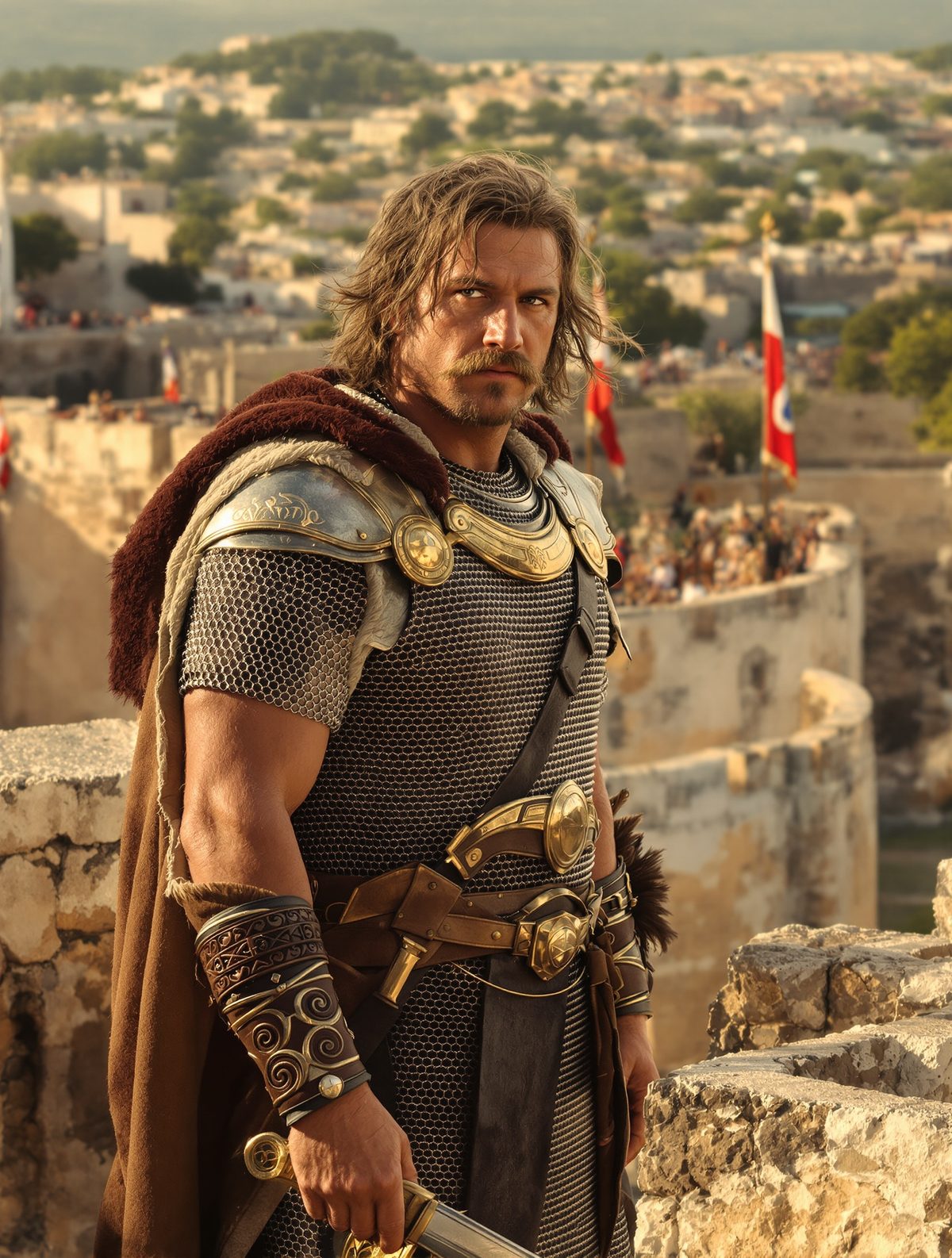
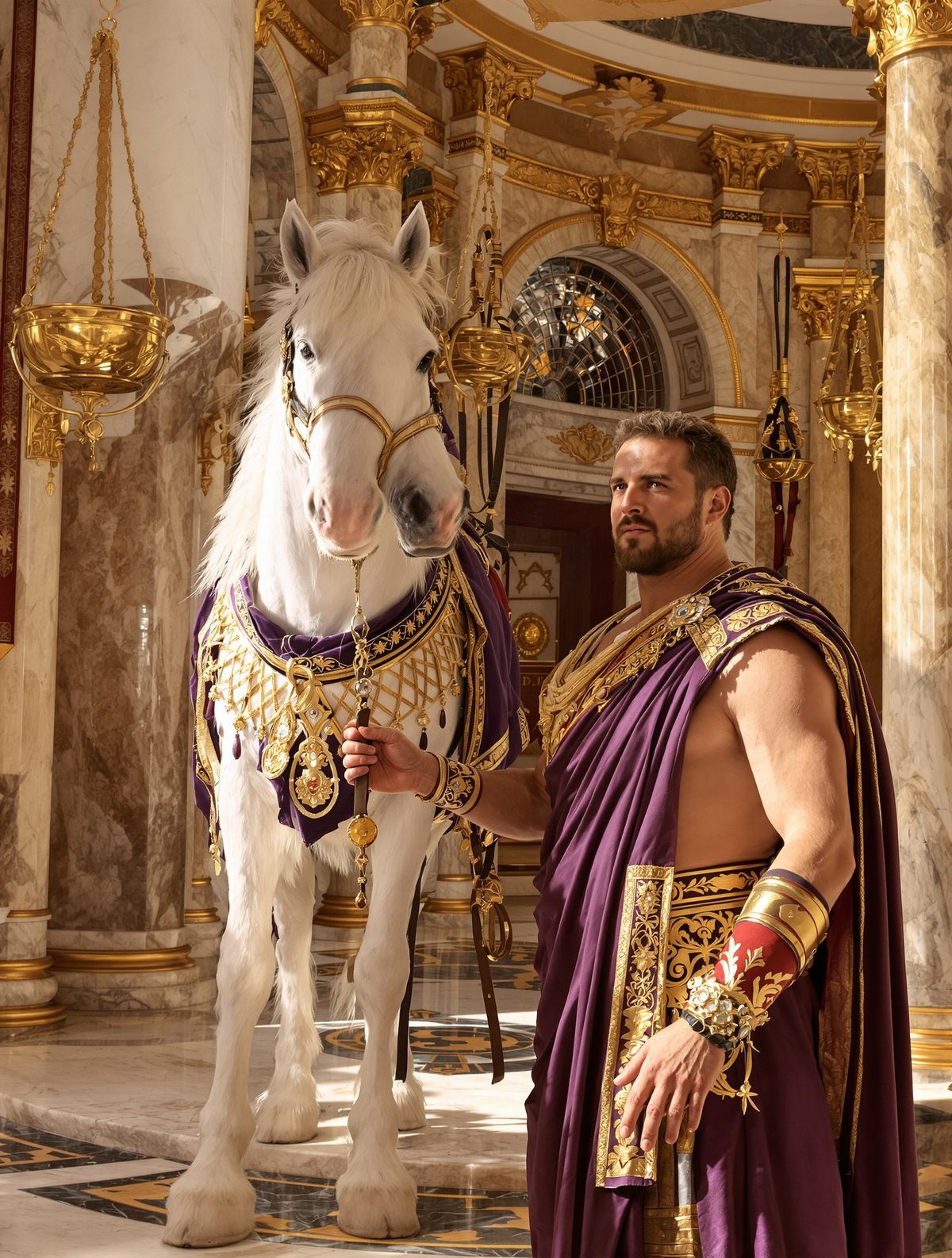
Picture this: The most powerful man in the ancient world stands before a naked beggar lying in the dirt, offering him literally anything his heart desires. The beggar looks up at this conqueror of nations, this living god among mortals, and delivers perhaps the most savage burn in recorded history: "Yeah, could you just... move? You're blocking my sun."
This isn't the setup to an ancient Greek comedy—it's the true story of what happened when Alexander the Great met Diogenes of Sinope, history's most uncompromising philosopher and the man who essentially invented trolling 2,300 years before the internet existed.
The Madman of Corinth
By 336 BC, when this legendary encounter took place, Diogenes had already spent decades shocking the civilized world with his radical philosophy and outrageous behavior. Born around 412 BC in the wealthy port city of Sinope on the Black Sea, Diogenes had once been destined for a comfortable life. His father, Hicesias, was a banker—until a scandal involving currency debasement forced the family into exile.
But exile proved to be the making of Diogenes. Arriving in Athens as a young man, he fell under the influence of Antisthenes, a student of Socrates who preached that virtue was the only true good and that material possessions were not just unnecessary but actively harmful to human happiness. Diogenes took these teachings to their logical extreme—and then kept going.
Where other philosophers debated ethics in comfortable schools, Diogenes lived his philosophy on the streets. He owned nothing but a cloak, a staff, and a food pouch. Legend says he threw away his cup after seeing a child drink from his hands, declaring he had been carrying around unnecessary luxury. He slept wherever he pleased, ate whatever scraps he could find, and relieved himself in public—arguing that if something was natural, there was no shame in doing it openly.
The Athenians called him "Diogenes the Dog" for his shameless behavior, giving birth to the term "Cynic" (from the Greek word for dog, kynos). Diogenes embraced the insult, barking at people he disliked and claiming he was indeed a dog—"the kind that guards his friends and bites his enemies."
The Art of Philosophical Warfare
What made Diogenes legendary wasn't just his lifestyle—it was his razor-sharp wit and complete fearlessness in the face of authority. This was a man who, when captured by pirates and put up for sale in a slave market, pointed to a wealthy Corinthian and announced, "Sell me to that man; he needs a master." Incredibly, the Corinthian was so amused he bought Diogenes and freed him, even giving him a house (which Diogenes promptly abandoned for a large ceramic jar in the marketplace).
Diogenes wielded insults like surgical instruments. When Plato defined humans as "featherless bipeds," Diogenes plucked a chicken and declared, "Behold! Plato's human!" He once followed Plato around a dinner party, trampling on expensive carpets and shouting, "Thus I trample on the pride of Plato!" When Plato protested, Diogenes shot back, "Yes, with pride of another sort."
But his most devastating attacks were reserved for the wealthy and powerful. He would stand in the Athenian agora with a lamp in broad daylight, claiming to be "searching for an honest man" (spoiler alert: he never found one). When asked what wine he enjoyed most, he replied, "Someone else's." His message was clear: civilization had made humans weak, dishonest, and obsessed with meaningless status symbols.
When Gods Collide
Enter Alexander III of Macedon, known to history as Alexander the Great. By 336 BC, the 20-year-old had just inherited the throne from his assassinated father, Philip II. Alexander was everything Diogenes despised: wealthy beyond measure, obsessed with glory, and convinced of his own divine destiny. He was also brilliant, charismatic, and on the verge of conquering the known world.
Alexander had come to Corinth to secure the loyalty of the Greek city-states before launching his campaign against the Persian Empire. Representatives from across Greece came to pay homage to the young king, showering him with honors and pledges of support. But one notable figure was conspicuously absent from these ceremonies: the famous philosopher everyone called "the Dog."
Curious about this Diogenes he'd heard so much about, Alexander decided to seek him out personally. He found the philosopher exactly where the locals said he'd be: lying naked in the dirt outside the city walls, soaking up the morning sun like a contented cat. Here was the conqueror of Greece, surrounded by his glittering entourage of generals and courtiers, approaching a man who owned literally nothing but the sunlight on his skin.
The Ultimate Power Move
What happened next has been debated by historians, but the core story remains consistent across ancient sources. Alexander, perhaps expecting the same fawning treatment he'd received everywhere else, introduced himself and offered to grant Diogenes anything he might desire. Kingdoms, riches, positions of honor—everything was on the table.
Diogenes barely glanced up. After a long moment, he spoke: "Stand out of my sunshine."
The silence must have been deafening. Alexander's generals probably reached for their swords, expecting their king to order this insolent beggar's immediate execution. But Alexander surprised everyone—perhaps most of all himself. According to the historian Plutarch, who recorded this encounter, Alexander was so impressed by Diogenes' complete indifference to power that he declared, "If I were not Alexander, I would wish to be Diogenes."
Some versions of the story include an equally legendary comeback from the philosopher: "If I were not Diogenes, I would also wish to be Diogenes." In other words: You want to be me, but I wouldn't trade places with you for all the kingdoms in the world.
The Deeper Philosophy
This wasn't just an exchange of witty one-liners—it was a clash between two fundamentally different views of what makes life worth living. Alexander saw happiness in conquest, glory, and the accumulation of power. He would spend the next thirteen years proving this philosophy, building an empire that stretched from Egypt to India, founding cities that bore his name, and ensuring his immortality through his deeds.
Diogenes represented the exact opposite path: happiness through the elimination of desire itself. He argued that humans suffer because they want things they don't need—luxury, status, approval from others. By reducing his needs to the absolute minimum, he had achieved something Alexander, for all his power, could never possess: complete freedom. No one could threaten Diogenes because he had nothing to lose. No one could control him because he wanted nothing they could give him.
The philosopher lived this way for the rest of his life, dying in Corinth around 323 BC—the same year as Alexander. While the great conqueror died young, possibly poisoned by his own generals, wracked with paranoia and alcoholism, Diogenes reportedly died peacefully, having lived exactly as he chose for over seven decades.
Why This Matters Today
In our age of social media influencers, billionaire worship, and endless consumer culture, Diogenes' message feels remarkably relevant. His encounter with Alexander poses questions that cut to the heart of modern life: What do we really need to be happy? How much of our suffering comes from wanting things we don't actually need? And perhaps most importantly: Who is truly freer—the person with everything, or the person who wants nothing?
Diogenes would probably look at our modern world—where people go into debt for designer handbags, spend their days curating perfect social media personas, and measure their worth in likes and follows—and simply ask: "Why?" His radical suggestion that happiness comes not from getting what you want, but from wanting what you have, remains as challenging today as it was 2,300 years ago.
The next time you find yourself scrolling through social media, envying someone else's seemingly perfect life, or stressing about acquiring the latest gadget or status symbol, remember the naked philosopher in the dirt who had the audacity to tell the most powerful man in the world to get out of his sunlight. Sometimes the most revolutionary act isn't conquering the world—it's refusing to let the world conquer you.