The dawn of January 6, 1919, was bitterly cold across Sagamore Hill in Oyster Bay. Frost clung to the grass and crunched underfoot, while a heavy gray sky pressed down on the landscape, holding back the first rays of light. It was as if the world itself hesitated to announce the startling news that would soon ripple across America. The still and quiet of that winter morning belied the eruption of emotion and reflection that the country was about to experience. Theodore Roosevelt, the indefatigable force of nature who once led a nation, was gone.
The Quiet Departure of a Lion
Theodore Roosevelt, the man who had carried the nickname "Lion" for his roaring enthusiasm and boundless energy, passed away in the most serene of ways – in his sleep, surrounded by the familiar walls of his beloved home. For those who knew him, the idea of Roosevelt submitting peacefully to anything, even death, seemed unfathomable. He was the embodiment of vigor, a past president whose life was as dramatic and turbulent as the era he helped shape.
Yet, on that cold morning, it was not the memory of Roosevelt leading the Rough Riders up Kettle Hill or his fiery orations that America awoke to. Instead, the nation staggered under the abrupt silence left by a man who had been an unyielding force in its history. Even in death, the ever-bold Roosevelt surprised those he left behind. But if his heart had ceased, his spirit remained boundless, captured forever in a single poignant declaration from his Vice President, Thomas Marshall.
The Sharp Wit of Vice President Marshall
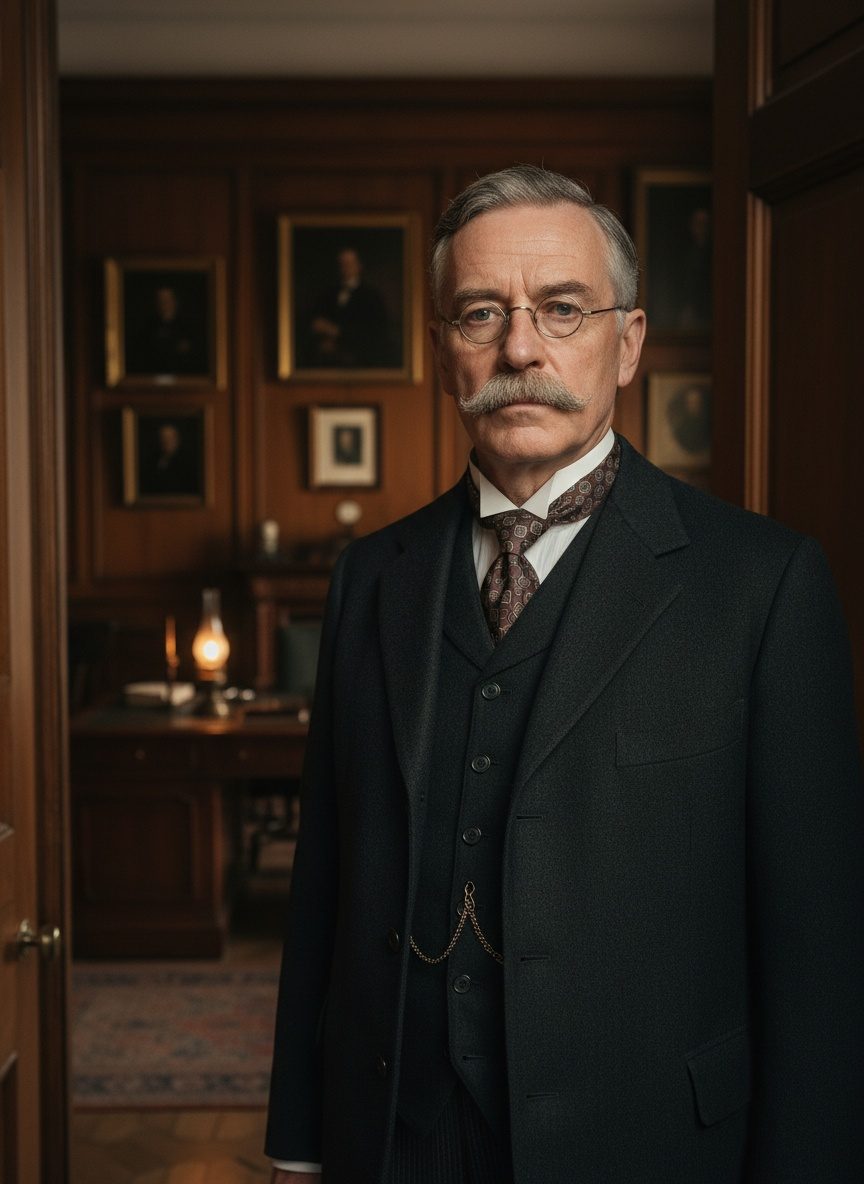
Vice President Thomas R. Marshall, a man known for his wit and humor, received the news of Roosevelt's passing with a reflection that struck a chord with the American public. When informed of the death, Marshall dryly remarked, “Death had to take Roosevelt sleeping, for if he had been awake, there would have been a fight.”
This single statement cut through the sorrow and brought an involuntary smile to those mourning. It perfectly encapsulated all that the nation had loved about Roosevelt. It was a comment tinged with the knowing respect one could have only for a worthy adversary or a beloved compatriot. Marshall's words had the rare quality of being both poignant and entertaining — a succinct eulogy that spoke volumes.
An Era of Unstoppable Energy
Theodore Roosevelt was not just a political figurehead; he symbolized an era of raw energy and relentless progress. His approach to life was proactive, adventurous, and at times, audaciously over-the-top. Roosevelt charged at his days as if they were yet another hill to conquer, driven by a passion for America's potential and a vision for its future.
As the 26th President of the United States, he expanded the national parks, championed the "Square Deal" domestic policies, and engineered the completion of the Panama Canal. Roosevelt's life was characterized by telling moments that, even today, inspire admiration for their boldness and vigor — perhaps more fittingly described as theater rather than mere politics.
The Enduring Influence of a Legend
Marshall's remark cemented an image of Roosevelt for future generations: a man who, even in repose, embodied rebellion against inevitability. The impact of his life extends beyond policies and reform; it is a tale told through countless stories that transmit his essence long after the events themselves have faded. Roosevelt's legacy endures in the American conscience as a figure of action and decisiveness.
Revered for his large and untamed spirit, the lion lives on not only in history books but in the annals of American mythology. Indeed, Roosevelt's "rugged individualism" adapted into national ethos, influencing both political discourse and the everyday attitudes of the people.
More Than Words
In the brief but potent words of Thomas Marshall, there lies a deeper truth about the American character — the admiration for tenacity and the will to fight against odds, even insurmountable ones like mortality itself. Roosevelt's story underscores a cultural ideal where courage is matched by character, and vigor by vision. The tale of his passing, marked by Marshall’s statement, suggests that legends never truly sleep; they await in the whispered stories and spoken memories of those who carry on their spirit.
The phrase, timeless and pithy, stands as a reminder that in recapturing the spirit of the extraordinary, we are moved to strive toward creating legacies of our own. It's the recognition that while the heart may stop, the essence of a person can resonate indefinitely whenever courage outshines adversity.