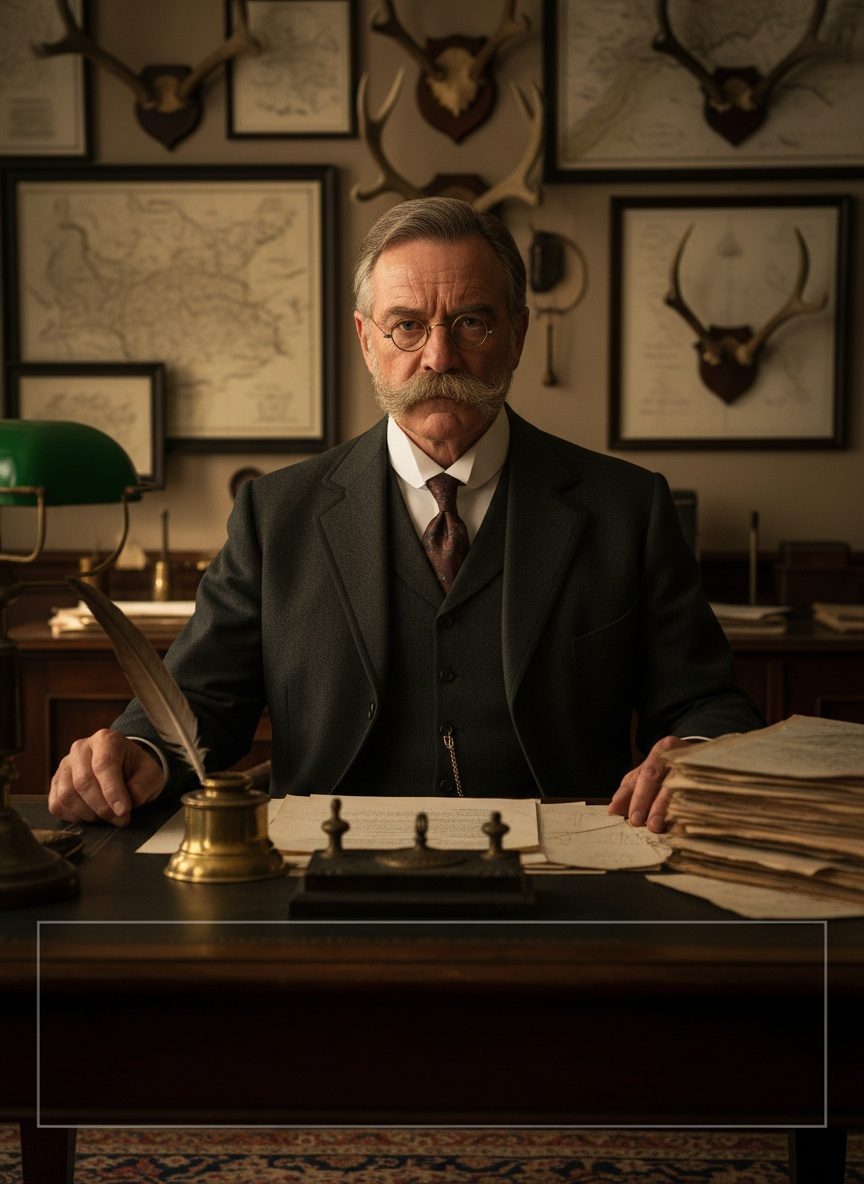
January 6, 1919. The chill in the air matched the grief that hung over the nation.
On this day, the world awoke to the news that Theodore Roosevelt, one of America’s most vibrant and dynamic presidents, had passed away quietly in his sleep. It seemed almost unfathomable, this notion of Roosevelt—forever restless, larger-than-life—succumbing to death without a sound, without resistance. Yet, Vice President Thomas Marshall summarized the event with a remark so poignant and perfect that it has endured through the ages: "Death had to take Roosevelt sleeping, for if he had been awake, there would have been a fight." This simple statement captured the indefatigable spirit of Roosevelt, a man whose life was a series of audacious exploits and enduring contributions, all fueled by unrelenting energy and ambition.
The Fighter in the Arena
Theodore Roosevelt's life was nothing short of extraordinary. Born into a family of privilege in New York City, Roosevelt was plagued by ill health as a child. Asthma attacks often left him gasping for breath, and his body was frail. But where his health faltered, his spirit flourished. Encouraged by his father, Roosevelt embraced a life of vigor, pushing himself in exercise and physical challenges that would shape his future exploits. His relentless perseverance transformed the sickly boy into a robust outdoorsman and a fierce boxer—skills that served him well during his tenure in the White House, where he was known to spar with friends and aides.
Roosevelt's political career was equally combative. As President, he championed the Square Deal policies, focusing on conservation of natural resources, control of corporations, and consumer protection. He earned a reputation as a trust-buster, taking on powerful industrial conglomerates and advocating for the "little guy." But perhaps one of the most famous anecdotes illustrating his resilience occurred in 1912, during his campaign for a third term. While arriving at a Milwaukee campaign stop, he was shot in the chest by a would-be assassin. Remarkably, with the bullet lodged near his lung, Roosevelt insisted on delivering his 90-minute speech before seeking medical attention. The bloodstained manuscript, folded in his jacket pocket, had slowed the bullet—a testament to the layers of protection both physical and metaphorical that surrounded this indomitable figure.
Into the Wilderness
Yet, Roosevelt's lust for life extended beyond the political arena. After losing the 1912 election, he embarked on a daunting expedition to explore the uncharted River of Doubt in the Amazon basin. It was a perilous journey, fraught with tropical disease, hostile wildlife, and near starvation. The expedition was a scientific endeavor, charting unknown territories and offering new knowledge to the world. Roosevelt faced the jungle with the same tenacity with which he approached all challenges—undaunted and determined. At one point, he even considered ending his life to save his team from the burden of his illness, only to persevere through sheer willpower. The expedition was marked by myriad hardships, yet Roosevelt’s indomitable spirit emerged stronger, epitomizing his belief that the pursuit of adventure was just as noble as any political or military conquest.
But Roosevelt’s journeys were also deeply philosophical. The wilderness offered him a sanctuary for introspection and rejuvenation. It was in these wild spaces that he formed his staunch conservationist beliefs, understanding that America's landscapes were treasures to be preserved for future generations. His advocacy laid the groundwork for the National Parks system, conserving millions of acres of wilderness. Roosevelt's passion for nature extended beyond mere appreciation; it was a call to action to protect the nation's natural heritage, a legacy that continues to impact environmental policies today.
A Life Remembered
Indeed, Roosevelt’s life was an amalgam of contradictions—privilege yet populism, aggressive policies yet tender environmentalism, intellectual pursuits yet rugged adventures. These dichotomies formed the essence of his indomitable persona. He wore many hats: reformer, adventurer, scholar, soldier, conservationist, and peacemaker, eventually earning a Nobel Prize for his efforts to resolve the Russo-Japanese War. His varied accomplishments reflect a life lived with profound purpose and determination, one that sought to enrich the human experience in all its facets.
The news of Roosevelt's death struck the nation with the force of a tempest. Newsreels captured images of Americans young and old, mourning the man who had come to symbolize the spirit of their country. Even in death, Roosevelt inspired a nation to fight for what it believed, for he had shown that one individual, driven by integrity and vigor, could indeed leave an indelible mark on the world.
Marshall's words, succinct yet profound, captured this icon's essence, and they serve as a reminder of the impact one life can have. Roosevelt epitomized a uniquely American ideal—a restless energy coupled with principled action and an unwavering belief in the potential for greatness. In an era where quiet diplomacy often prevailed, Roosevelt’s boisterous enthusiasm and fearless challenges both excited and polarized; yet, they indisputably pushed the nation toward progress. It is this relentless drive and boundless courage that continue to echo across the years, urging us to face challenges with daring and resilience as he once did.