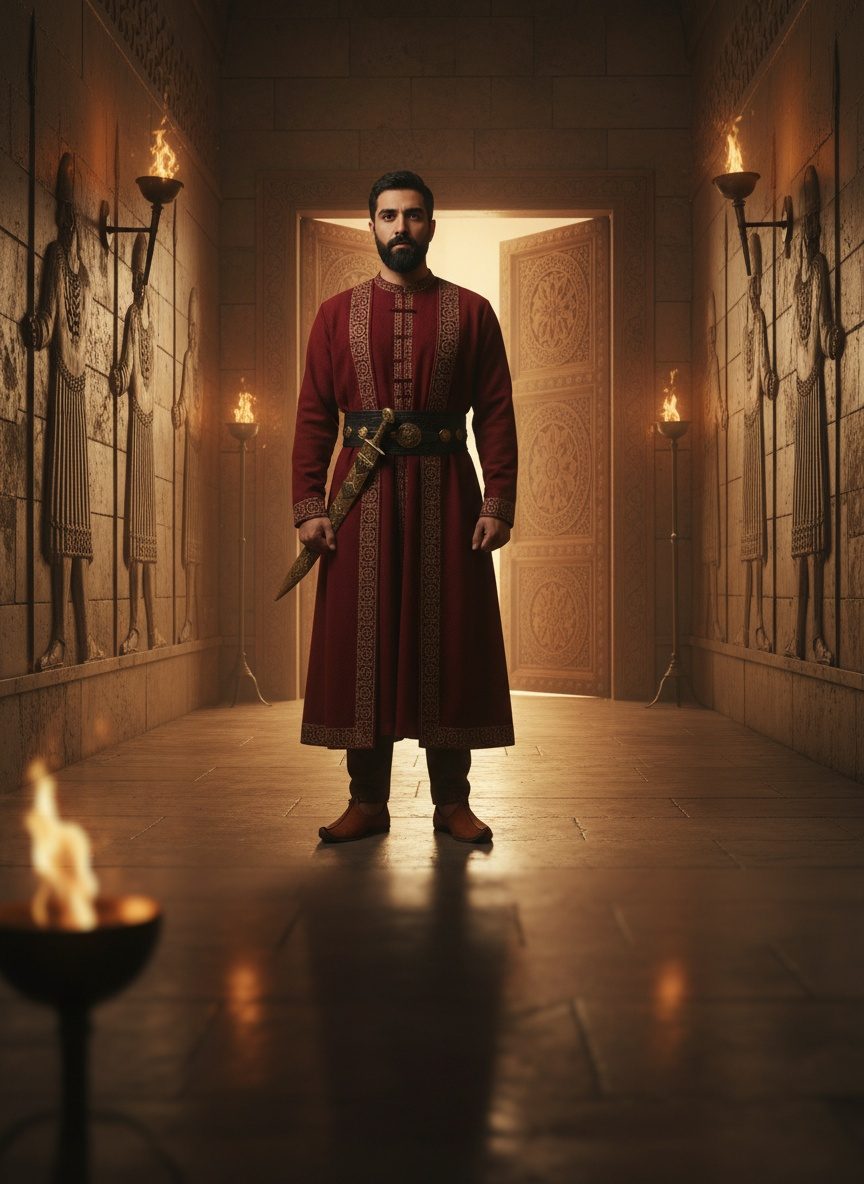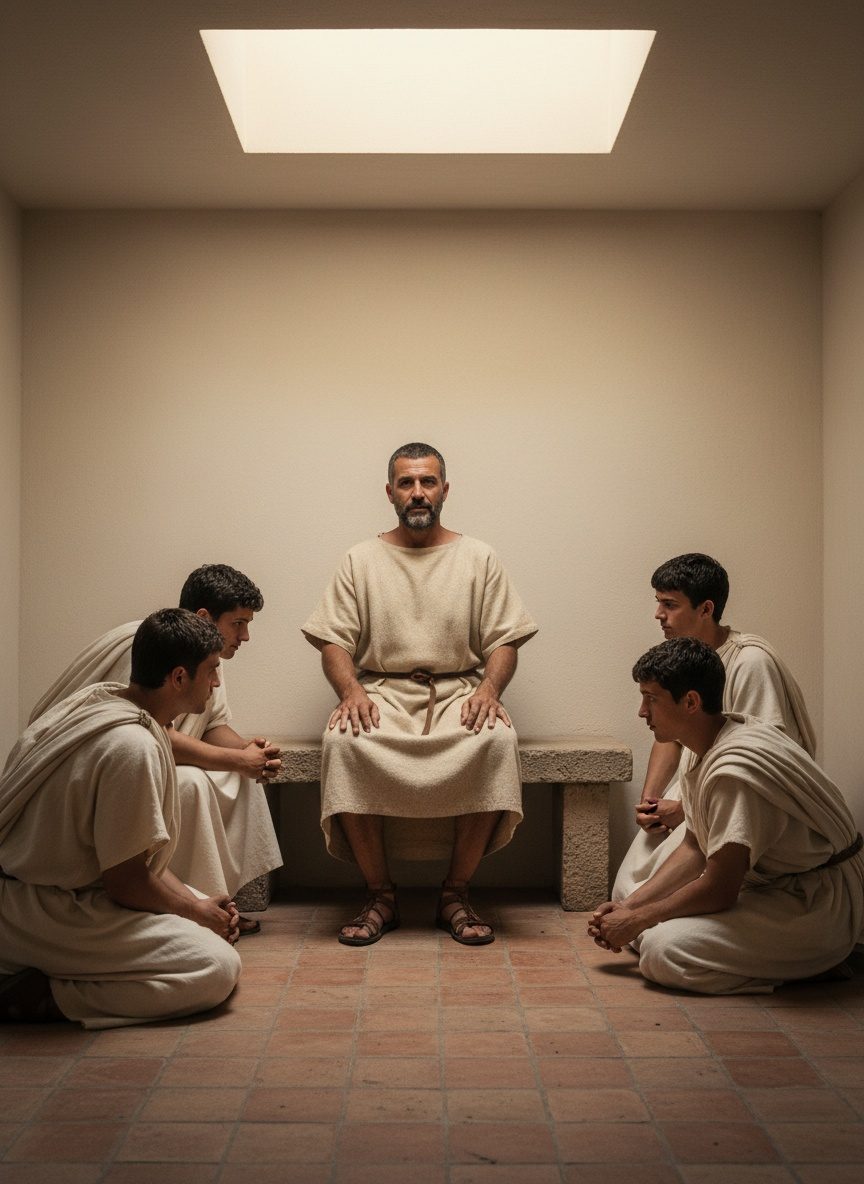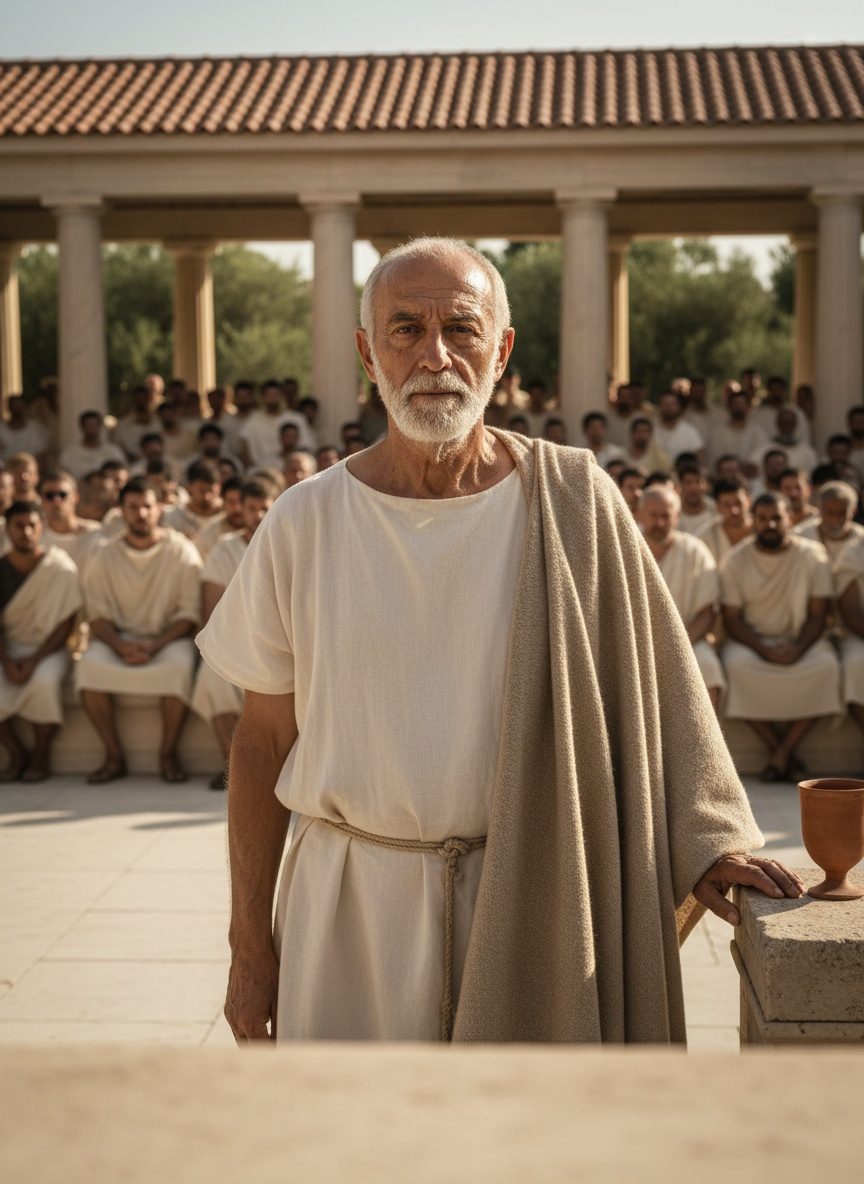
The echo of the jury's decision reverberated through the Athenian assembly hall, a somber silence blanketing the gathered citizens. Phocion stood resolute before the mass. His forty years of service seemed immaterial against the final verdict — guilty. The sun-drenched streets of Athens pulsed with silent outrage, but inside, it was Phocion's composure that demanded attention. As the murmurs of those present faded into the background, he turned to his son and made one unfathomable request.
The Once Unyielding General
Athenian history teemed with tales of valor, but few were as revered as Phocion, the unbending general who had shaped the city's military might for four decades. Known as 'the Good', Phocion's reputation was built on a foundation of incorruptibility and strategic brilliance. In battles where others faltered, he remained steadfast, forging victories that etched his name into Athenian lore.
His initial stride into leadership came during a period of turmoil, and he rose to prominence by mastering the art of war as if he were born for it. His command wasn't based on grandiosity or ostentation; Phocion was a man of few words and fewer possessions, often seen in the same simple garment, regardless of his success. This modesty bred trust among Athenians, allowing his influence to stretch beyond the battlefield and into the city's politics.
But as is often the case in the political arena, the winds of favor are fickle and the very populace he had once protected now saw him as a relic of the past, a pawn in the treacherous game of power. The political enemies that lurked in the shadows seized their moment, capitalizing on Phocion's unwavering integrity, and claimed him as a scapegoat for the city's frustrations.
Betrayal and Trial
The trial was as much a spectacle as it was a travesty, and the air buzzed with the tension of a captivated audience. Charges of treason echoed through the halls, accusations molded from fractures in the city’s own political edifice. His enemies, threatened by his influence, laid out their case with meticulous fervor. The accusations were woven into a tapestry of betrayal, threading together a narrative that painted Phocion as a traitor.
Despite the ferocity of the trial, Phocion remained unfazed, his expression one of quiet dignity as he listened to the harsh words. His defense was not woven with elaborate counter-arguments, for he was a man who believed that actions spoke louder than any speech. The assembly watched as Phocion, a stalwart figure who had once represented the strength and virtue of Athens, faced his damning verdict.
When the jury finally delivered the inevitable judgment, the city clung to a collective breath. In that charged moment, reality crystallized: the hero of Athens was condemned to death by the city he had served so faithfully.
A Father's Final Request
Though the outcome was one of betrayal, Phocion’s response was anything but ordinary. The onlookers leaned forward in anticipation, expecting an impassioned defense or a curse upon his accusers. Instead, his voice, steady and calm, cut through the tension. He turned to his beloved son, with eyes that still held warmth despite the cold circumstance, and asked only one thing — forgiveness.
"Forgive them," he urged, "for they know not what they do." His request was not a plea for his own salvation but a final lesson in grace for his son. To forgive was the last act of defiance against the cycle of hatred that had culminated in his trial. Tears welled up in his son's eyes as he absorbed the magnitude of his father's magnanimity, tears that mingled defiance with heartache.
This moment imprinted itself into Athens’s collective memory, a profound testament to the resilience of character over the volatility of political tides. Phocion’s request demanded introspection from those who heard it and from those who would recount it for generations. Through an unimaginable act of grace, he transcended the pettiness of his enemies, leaving a legacy of ethical steadfastness rather than bitterness.
The Lessons Never Forgotten
In the years following Phocion’s execution, the city reflected upon the paradox of his life—how a man so integral to its defenses came to be marked for death by his own people. The silence he left behind was more telling than any rallying cry could have been, reverberating in the halls of power and shaping the ethos of a city forever changed by his narrative.
Athens, in time, would attempt to reconcile with the shadows of its past decisions. Phocion's story became a cautionary tale about the perils of political machination and the fragility of public favor. His life's conundrum speaks to the enduring themes of loyalty, integrity, and the complex dance between personal duty and public expectation.
Though centuries have passed, the tragedy and nobility of Phocion’s final moments resonate with the dawn of human conscience. His last request, delivered in the shadow of impending death, challenges us to consider the weight of forgiveness, not just as a personal offering but as a powerful, transformative force. In doing so, Phocion left Athens not just a history lesson, but a moral inquiry—the kind that leaves an indelible mark, long after the story is told.