The sun beat relentlessly down upon the bustling city of Cairo in 1324, casting shadows that played upon the sandy streets and grand mosques. The air was thick with the scent of spice and the distant murmurs of merchants hawking their wares. Horses trotted past, kicking up dust, while the rich embellishments of the Islamic and foreign architecture glimmered in the sunlight across the vibrant metropolis. Yet, unbeknownst to the city's inhabitants, a historic transformation loomed on the horizon — one that would unfold with the arrival of a figure seemingly straight from the pages of legend.
The Emperor's Lavish Procession
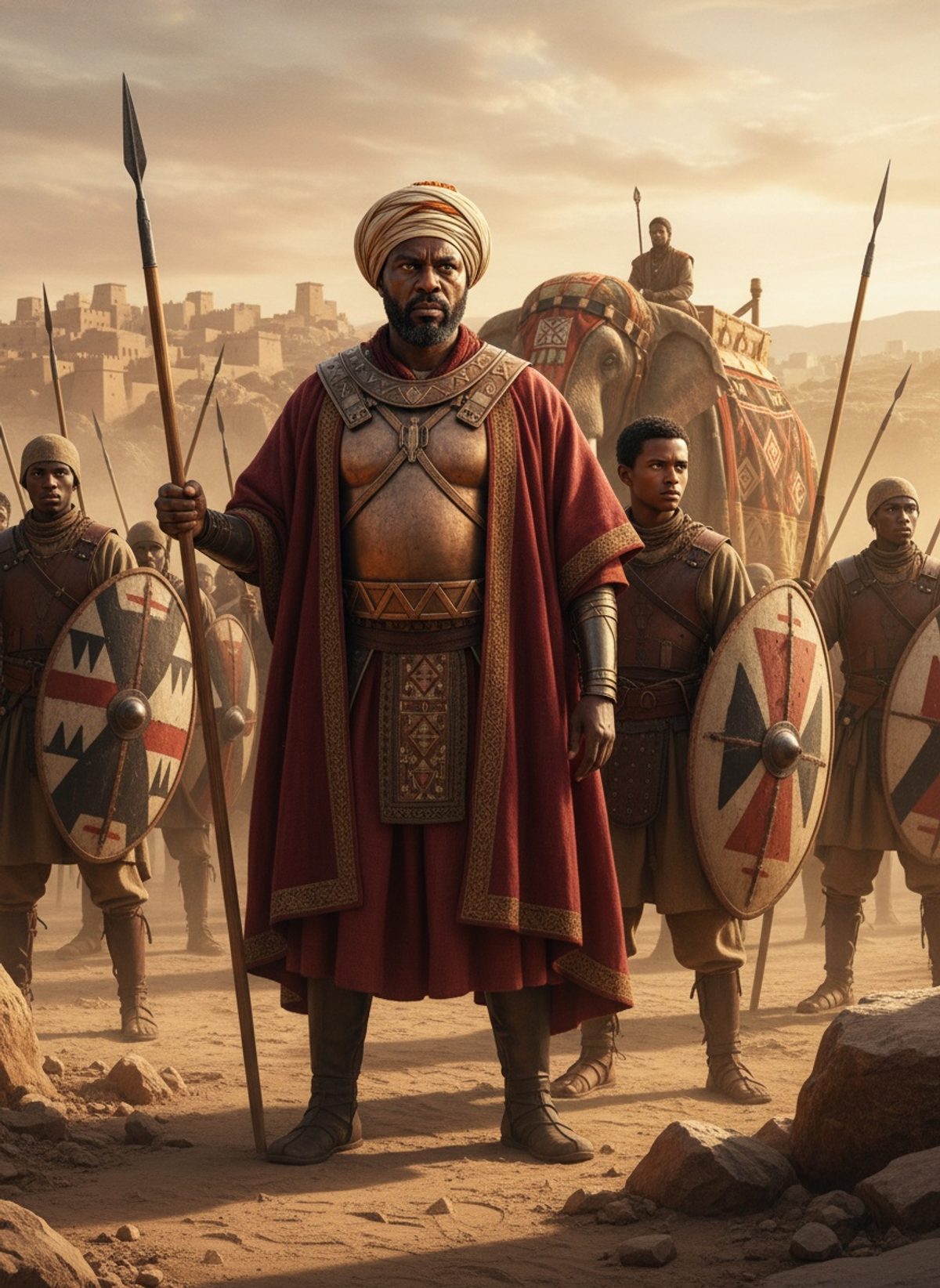
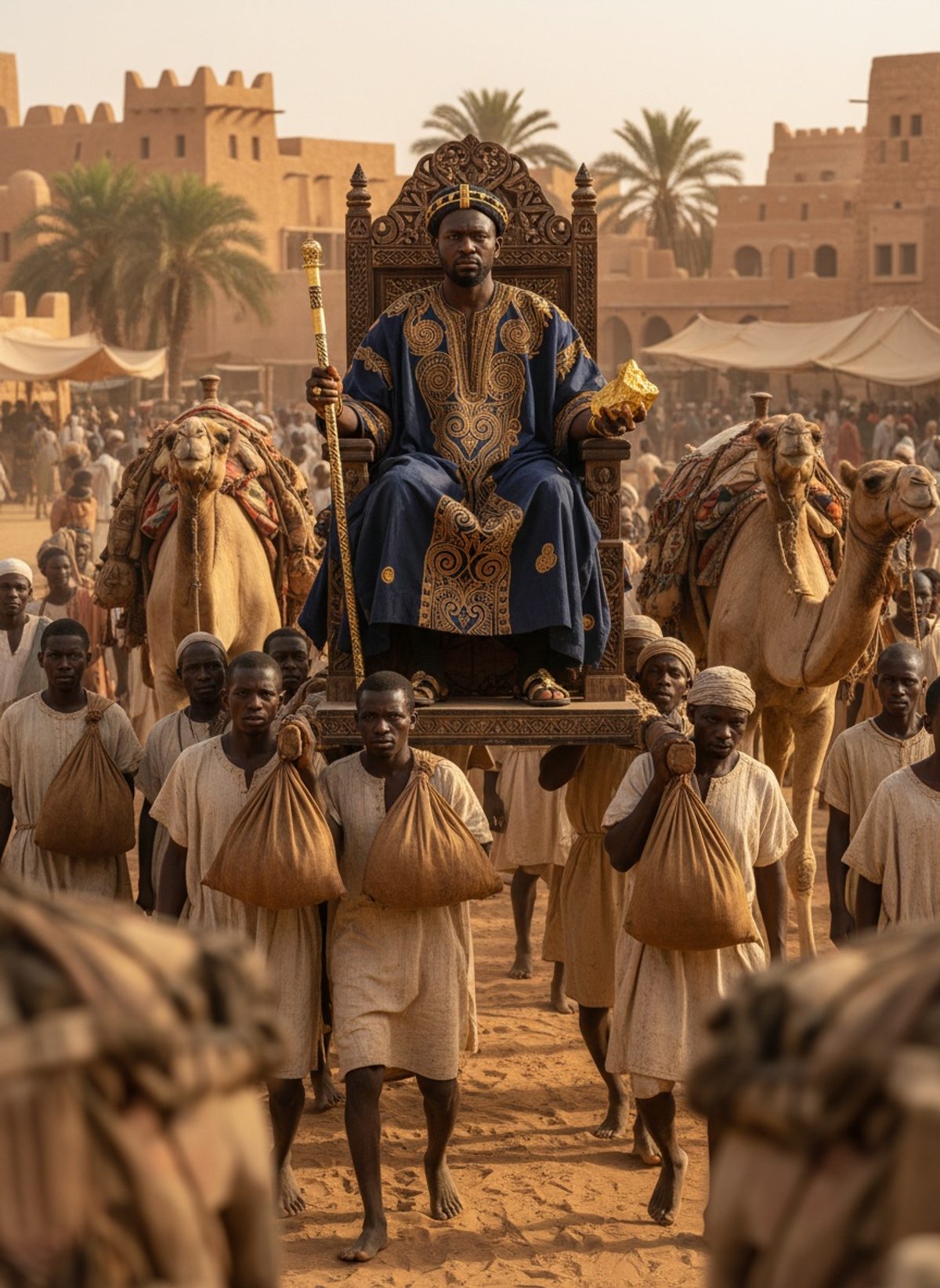
From beyond the great Sahara Desert, Mansa Musa, the emperor of Mali, approached with an entourage unlike anything Cairo had ever seen. Sixty thousand men, clad in fine silks and armed with swords of gold, formed a procession miles long. Alongside them plodded camels laden with immense quantities of pure gold. The sound of tinkling metal mingled with the low hum of chants and the rhythmic pulse of the travelers’ footsteps, creating an otherworldly symphony that heralded their impending arrival.
Mansa Musa was not just a king but a conqueror of hearts and imaginations, a man whose realm stretched over the Niger River and its riches. Commanding both fearsome respect and boundless admiration, his journey was not a mere passage through a great kingdom but an act of imperial assertion and unmatched generosity. As the gates of Cairo swung open to welcome him, the city could scarcely begin to grasp the impact of his charitable disposition.
Gold Flows Like the Nile
The streets of Cairo buzzed with stories of Mansa Musa's munificence. His generosity was legendary, a fundamental tenet of his faith and personal creed. Gold flowed from his coffers to the hands of the impoverished, the clerics, and public institutions. No dwelling, it seemed, whether humble or grand, was untouched by his lavish benevolence. The markets teemed with activity as gold, once a rare and cherished metal, now appeared in abundance.
Histories whisper of Mansa Musa's devout purpose behind such staggering charity. Undertaking the Hajj to Mecca, his pilgrimage journey was both a declaration of piety and a demonstration of Mali's splendor. Every coin, every shimmering trinket bestowed upon the people of Cairo, was a testament to his empire’s wealth and his unwavering faith. Yet the gold that brought instant joy also bore unintended consequences.
The Crumbling Economy
The opulent tide of Mansa Musa’s gifts soon revealed its cost. An unfathomable volume of gold coursed through Cairo's veins, disrupting the balance of trade and the foundations of the local economy. The value of gold plummeted as unprecedented surplus flooded markets, reducing fortunes amassed over decades of measured commerce.
Merchants who once dealt in commodities gained by the weight of gold now faced devaluation, as the rare metal was no longer synonymous with rarity and prestige. Across the Mediterranean world, echoes of this financial tremor persisted for a dozen years, rippling through economies that stretched from African shores to European and Near Eastern markets. The age of golden abundance, paradoxically, birthed years of economic hardship.
Beyond Borders: An Empire Redefined
The memory of Mansa Musa's pilgrimage resounded not only through the economic disruption it left in its wake but through the indelible mark on cultural exchange and religious expression. His journey served as a golden thread, linking diverse lands and peoples, forging connections between Africa and the wider Islamic world.
This pilgrimage was more than an event; it was a revelation of Mali's existence and prosperity to the broader globe. Mansa Musa's display of wealth and devotion ignited tales of African kings, unprecedented in their riches, far beyond the confines of their own realm. His name carried through European manuscripts and beyond, his kingdom entering the consciousness of those who had never surveyed its sweeping savannas or towering mosques.
The Legacy of Generosity
In the shadow of Mansa Musa's extravagant journey, we find a narrative layered with paradox. It serves as a reminder that immense wealth, while a sign of prosperity, may also herald unexpected consequences. The collapse of Cairo’s economy demonstrates the delicate pulse of financial systems, vulnerable to the forces of supply and demand, no matter how noble the intent. Yet, beyond the gold and economic upheaval, lies an enduring impact.
As an envoy of Mali's cultural and religious sophistication, Mansa Musa fostered an era of African influence that interlaced economies and cross-continental relationships, revealing the dynamic intersections of wealth, faith, and world history. Today, his story compels us to reflect on the nature of wealth and power, the consequences of generosity, and the far-reaching resonance of actions driven by both grand visions and human intent.