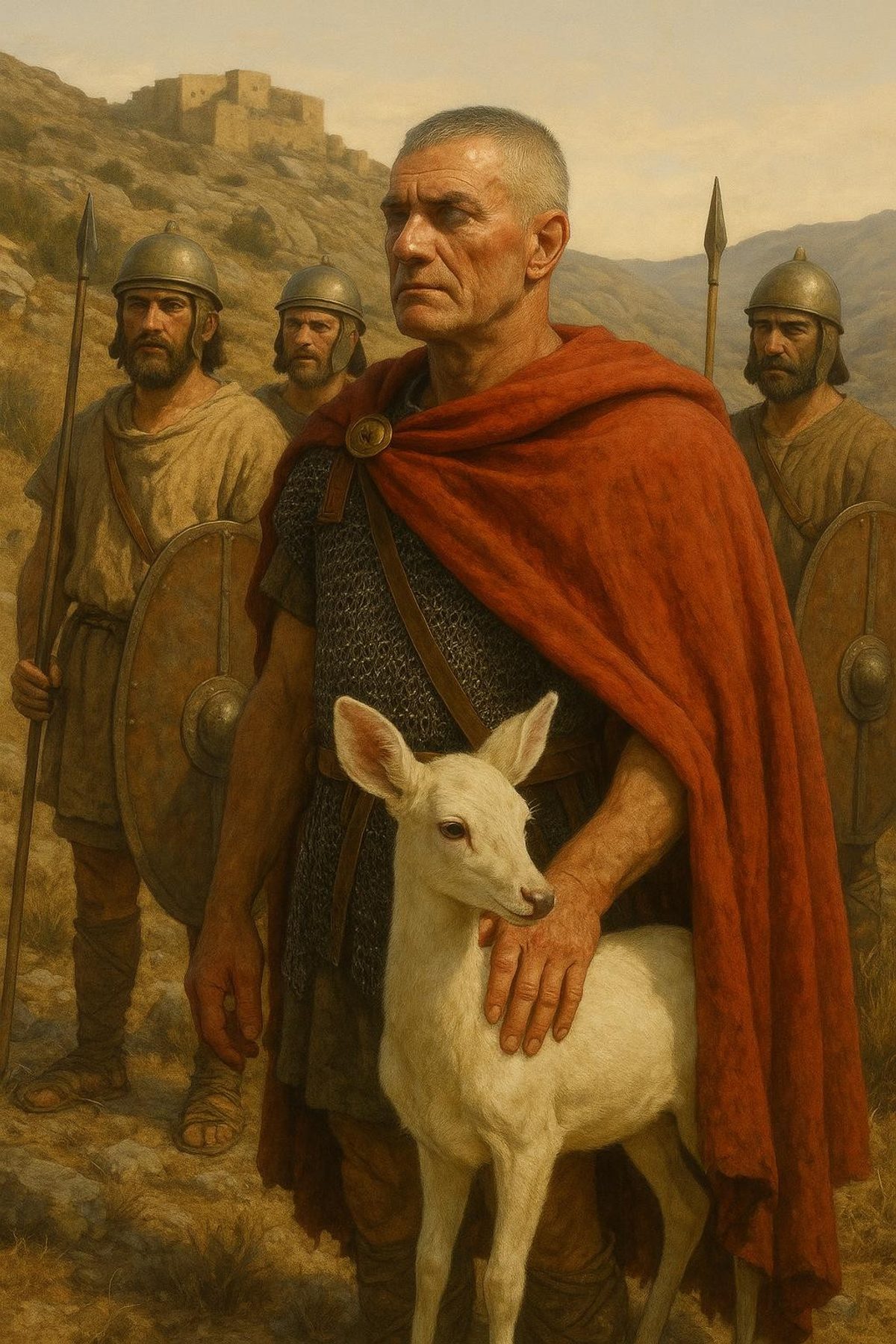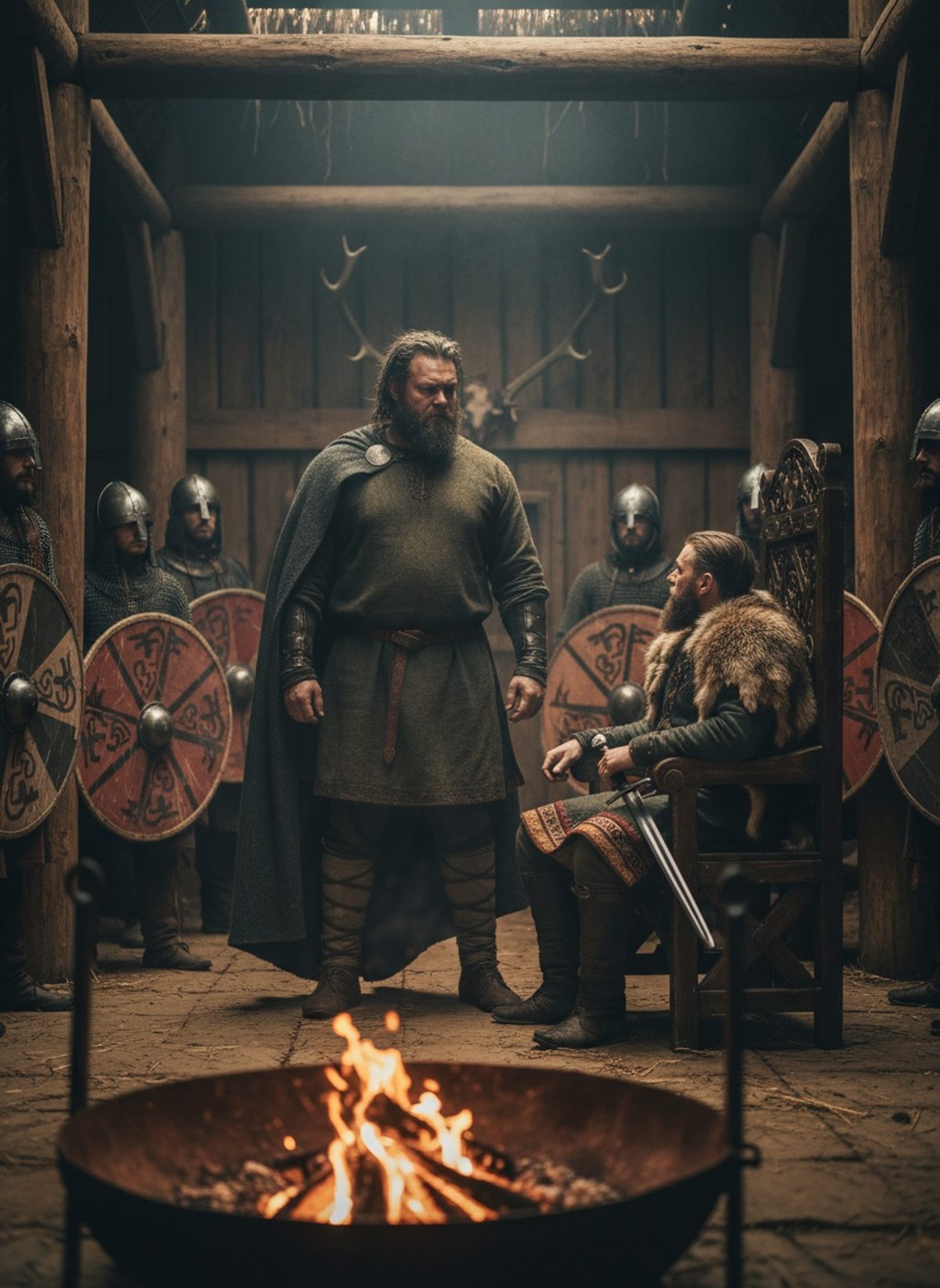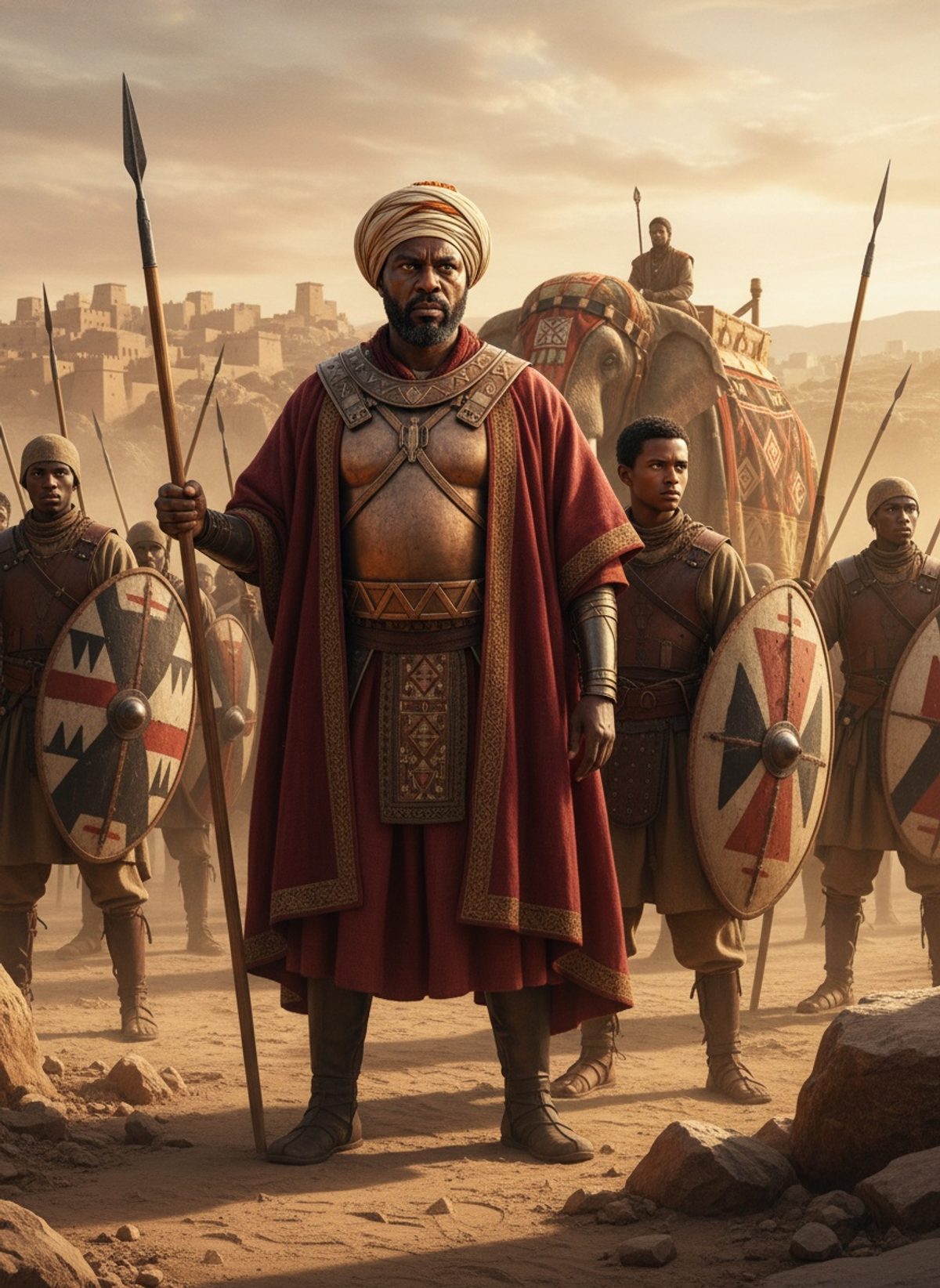
The Kingdom of Aksum's army reached the gates of Mecca. Yet, the city never fell.
The Aksumite Ambition
In 570 AD, the Kingdom of Aksum dreamt of expanding its reach beyond the realm of Africa and towering over the Arab Peninsula. Abraha, the determined viceroy of Aksum, commanded an army that carried not just weapons but ambitions of dominance. The path to supremacy in this hostile desert theater seemed inevitable. Mecca, with its growing significance, was a prime target for Abraha's forces. From within the ranks marched a sight that left Arabian tribes both awestruck and terrified: battle-hardened war elephants, their sheer size and strength symbolizing power few would dare to withstand. It was not just about conquest; it was about demonstrating force of an empire whose glory emanated from the heart of East Africa.
The City at the Crossroads
Though Mecca was not yet the epicenter of spiritual life it would become, it occupied a vital position on the trade routes connecting the remnants of the Roman Empire to the riches of Africa and the Far East. This multicultural convergence meant that Mecca was a city of commerce and caravan. Its inhabitants, aware of the coming storm, could only hope for some intervention to forestall their annihilation. Word of the advancing Aksumite forces spread through the bazaars and encampments as quickly as whispers on the wind. In palaces and tents alike, people pondered the fate that awaited them once Abraha's mighty elephants broke through their defenses.
A Supernatural Intervention?
The chronicles of this confrontation recount a tale etched in the heart of Arabian lore—a story of miraculous intervention. As Abraha's army encamped in preparation to descend upon Mecca, the stage seemed set for the city’s inevitable fall. But something halted this juggernaut. Islamic tradition, which would later reflect on this in Surah Al-Fil or "The Chapter of the Elephant," speaks of an avian assault—birds pelting the Aksumite forces with stones, sending chaos through their ranks. Whether divine or coincidental, this bewildering event forced Abraha's army into a retreat, sparing Mecca and marking 570 AD as the Year of the Elephant. This supposed celestial event became a pivotal moment in the Arabian cultural and spiritual imagination, connecting the fates of men to the will of the unseen.
The Echo of Retreat
Abraha's withdrawal from Mecca signified more than just a military reversal; it was a turning of fortune's tide. For the Aksumite forces, it was an unforeseen setback, challenging their imperial aspirations and shrouding their reputation with uncertainty. The message was clear: even the grandest military endeavor could unravel before an unseen hand. Yet, for Mecca, the retreat was nothing short of a deliverance—a narrative passed down through generations, culmination of both fear and resilience woven into the city's identity. As trade routes resumed, so too did the march of history, with Mecca’s tales deepening in symbolic meaning. Arabia's future, interwoven with the legacy of this near-catastrophe, evolved in directions that would shape the coming centuries.
Why the Story Matters
The tale of the Year of the Elephant resonates far beyond the annals of forgotten conflicts. It serves not only as a testament to the strategic ambitions and near-mythic elements of human history but also as a turning point where destiny diverged from predictable pathways. For the Arabian Peninsula, this episode signaled a unique cultural heritage moment—a brush with extinction that fortified its burgeoning spirit. As the narrative was woven into the backdrop of the birth of Islam, it underscored the enigmatic nature of fate, where providence and chance steer the ships of time. Such events remind us that beneath every battle is a deeper story awaiting to be uncovered, held aloft by the whispers of history which continue to intrigue and inspire those who seek to understand the intricacies of our past.