He was purchased for less than a horse. Yet, at the height of his power, Abu al-Misk Kafur commanded the allegiance of Egypt's elite and wielded influence over the country's vast territories. Such was the improbable fate of a slave who rose to the seat of Egypt's ruler.
A Slave's Journey to Power
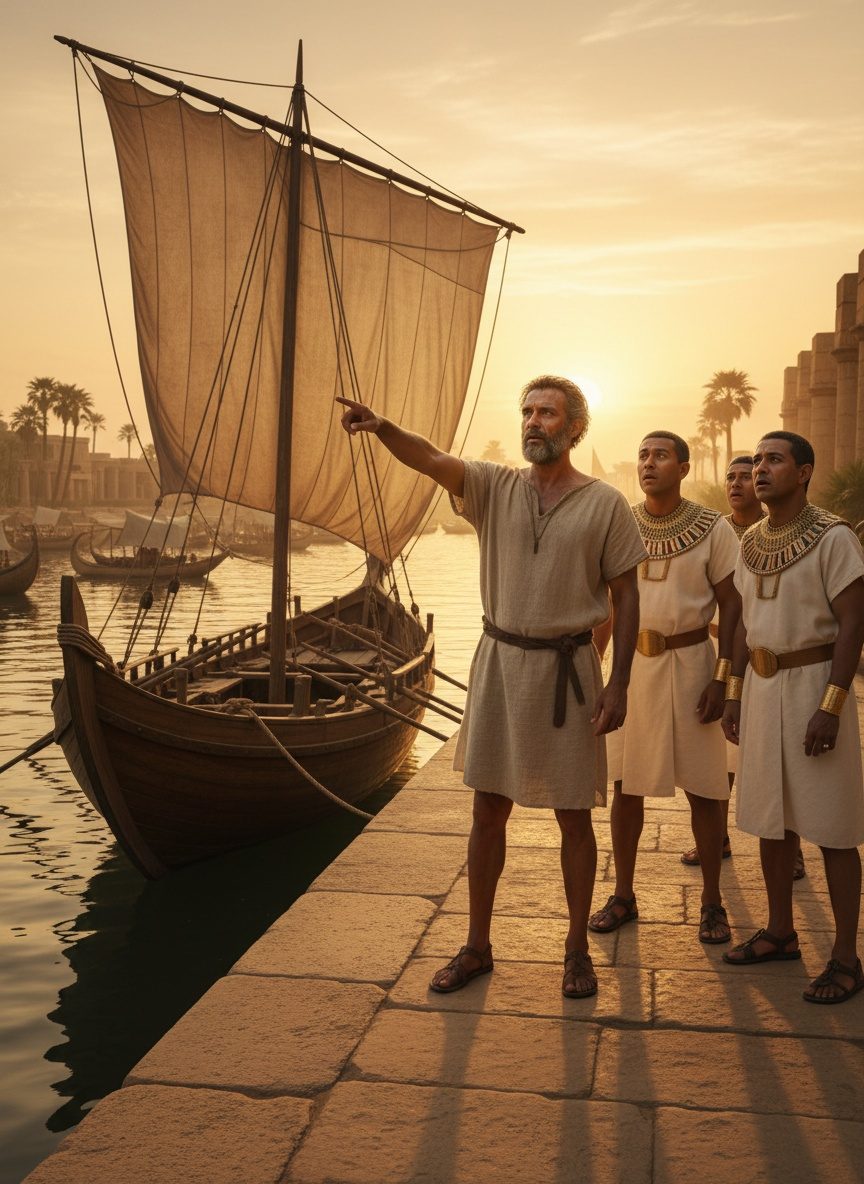
In the bustling slave markets of 10th century Egypt, buyers milled about, inspecting the wares with the calculating gaze of merchants at a livestock auction. Among those goods was Kafur, a young eunuch whose fate, like that of his contemporaries, seemed sealed to a life of servitude. Purchased for just eighteen dinars, his beginnings were anything but illustrious—he was worth less than a decent steed. However, it was not the measure of his purchase but the measure of his intellect that defined his remarkable journey.
Brought into the court of the Ikhshidid dynasty, Kafur's talents quickly became apparent to his master, Muhammad ibn Tughj al-Ikhshid. His intelligence, shrewd political insight, and steadfast dedication earned him a place in the upper echelons of the court, rubbing shoulders with nobles and generals. In a world where one's fate was often determined by birthright and bloodline, Kafur’s ascent highlighted both the fluidity and cruelty of the era’s social hierarchy. Here was a man who challenged the norms, his rise occurring not by the sword but through diplomacy and unrivaled wit.
The Rise of a Regent
When Muhammad ibn Tughj passed away, Kafur’s influence grew even stronger. Appointed as regent, he effectively governed the realm on behalf of the heirs, who were too young to rule. His role was not merely that of a custodian; he was a dynamic force in Egypt’s political and cultural renaissance.
Under Kafur’s stewardship, Egypt flourished. He continued the administration of state affairs with such deftness that he consolidated his power even further. Kafur surrounded himself with poets, scholars, and intellectuals, turning the court into a beacon of learning and culture. This atmosphere of intellectual prestige attracted luminaries of the Islamic world to the Nile Delta, a cultural blossoming that would echo across centuries. He was not just managing Egypt; he was transforming it.
The Crowning of Kafur
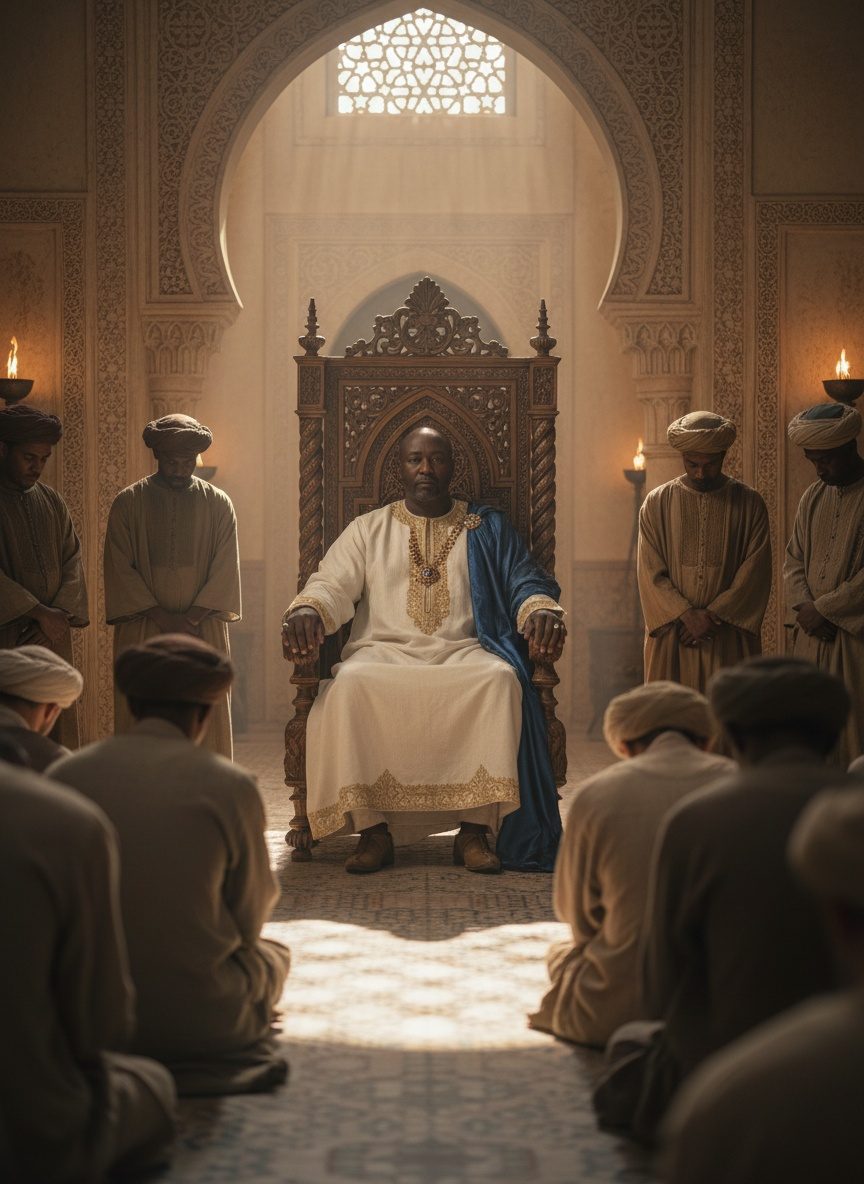
Eventually, Kafur's hold on power became indisputable, and he claimed the throne for himself. The mere thought of a eunuch and former slave ruling such a critical region might have been unthinkable to many, yet his adept governing and the loyalty he commanded spoke for themselves. The territories of Egypt and Syria were held under his control, a testament to the respect, albeit sometimes grudging, from his contemporaries.
Kafur’s regime was defined by relative stability in a time rife with turmoil. While other rulers throughout history relied heavily on force to maintain their grip, Kafur understood the importance of balance. His ability to navigate the treacherous waters of political alliances and enmity ensured that Egypt remained a powerful state without succumbing to internal fractures or external threats. Though some contemporary accounts criticized him for lacking noble ancestry, his administrative acumen cemented his legacy.
The Death of a Ruler, the Sorrows of a Poet
In 966 AD, the historic journey of Abu al-Misk Kafur came to an end. His death marked not only the fall of a unique ruler but also of an era in the Ikhshidid dynasty. Yet, the greatest tribute came not in regnal achievements but in the poignant words woven by one of the greatest poets of the era, who, despite previously criticizing him in life through verses laden with both praise and satire, wept openly at his grave.
The legacy of Kafur endures, not merely because he was a ruler, nor solely because he was a slave who defied the odds. It resonates because his story is one of radical possibility—a narrative that illustrates the sheer potential of individual brilliance rising above societal constraints. At a time when most were bound firmly to the roles they were born into, Kafur's climb redefined what power could look like in medieval Islamic world.
This tale of rise and resilience continues to be relevant today as it challenges our understanding of power and leadership, inviting us to reconsider the capabilities lying dormant in every corner of society. It teaches us that historical narratives are not only carved in the grand deeds done by rulers born to thrones but also in the paths forged by those who were never meant to hold power.