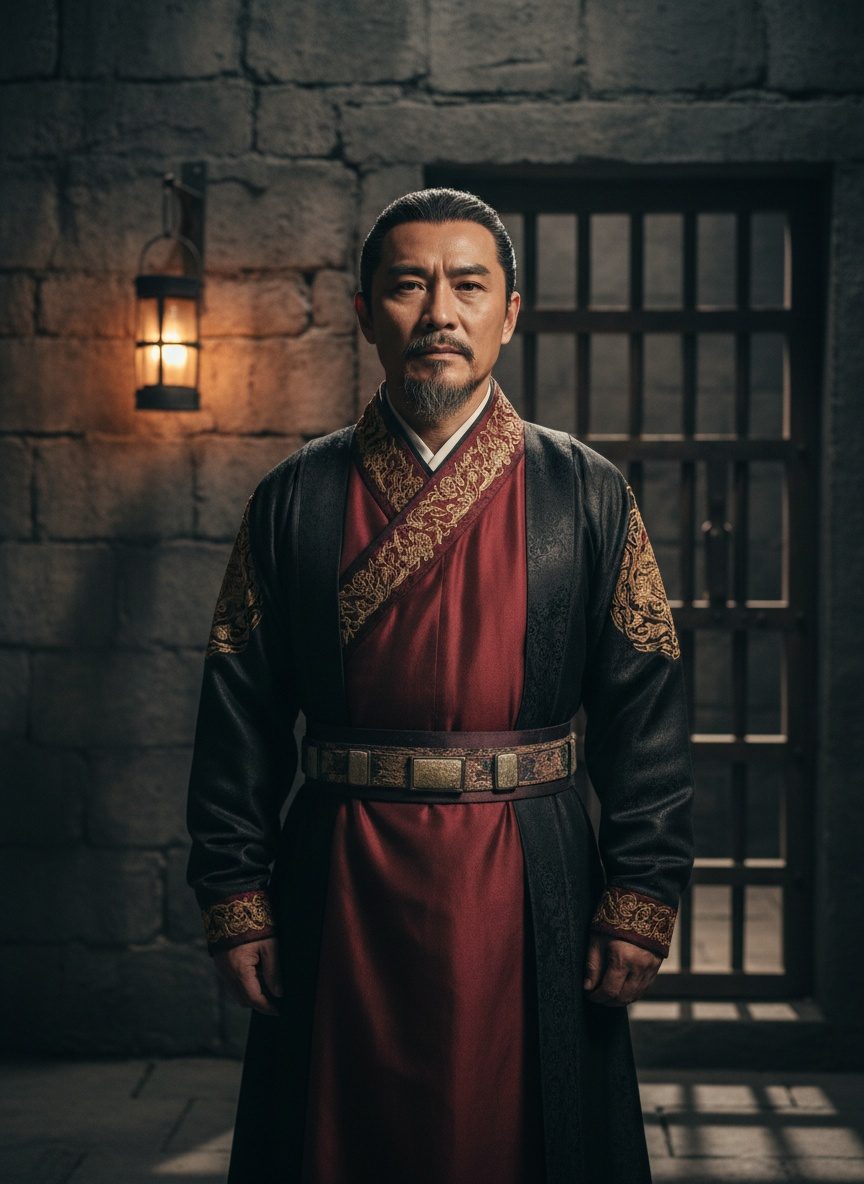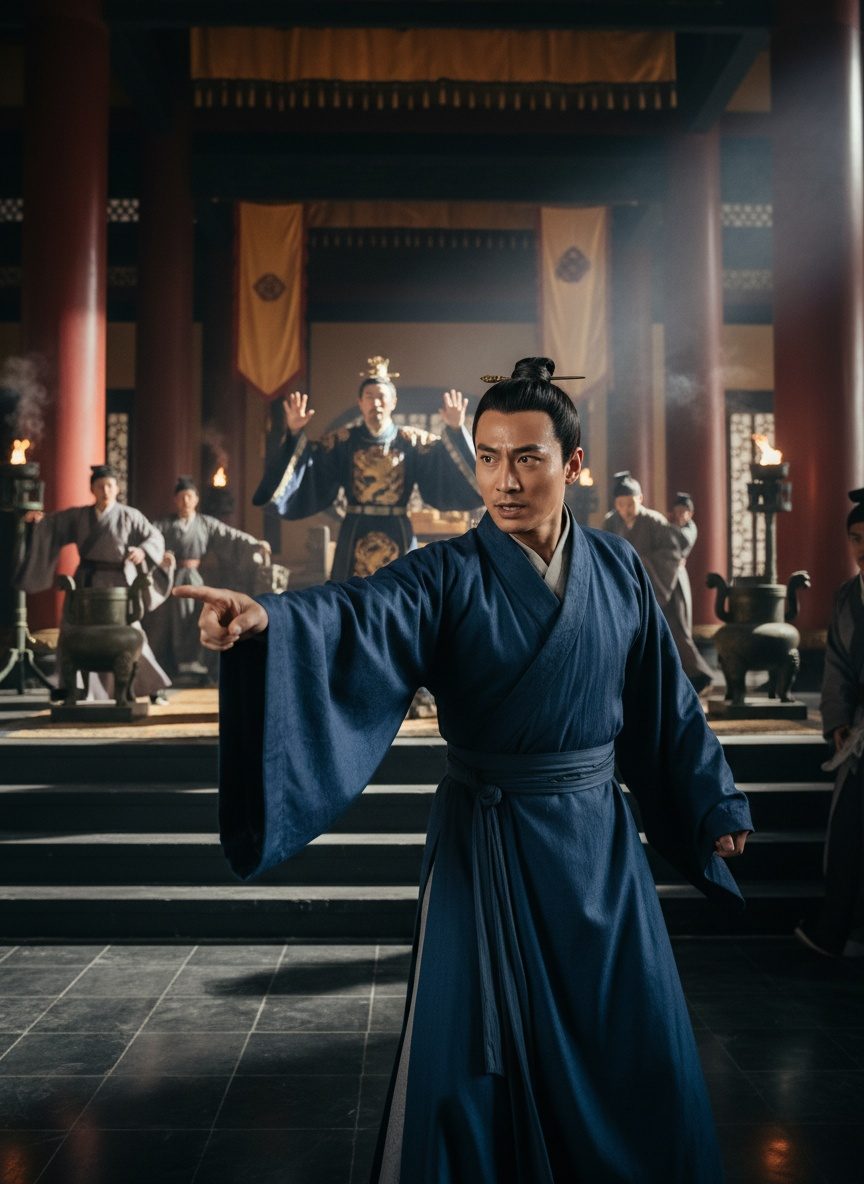
227 BCE. A chill hung in the air, a harbinger of the drama about to unfold. In the heart of the Warring States period, China teetered on the verge of unification under the ambitious state of Qin. This was a time of shifting alliances and ruthless warfare, but on this particular day, the attention of the entire realm turned to a single man entering the palace of Qin — Jing Ke.
The Plot to Halt an Empire
China, during the Warring States period, was a land divided. Seven powerful states vied for supremacy, with the state of Qin under King Zheng striving most aggressively for dominance. By 227 BCE, Qin's military conquests were relentless, posing an existential threat to its neighbors. In the eastern state of Yan, efforts to thwart Qin's rise coalesced into a desperate plan: an assassination meant to halt the encroaching empire. Jing Ke, a skilled assailant whose resolve matched his courage, became the centerpiece of this plot.
This conspiracy was born out of sheer desperation. Yan's leaders, grappling with the inevitability of conquest, saw in assassination a final gambit. Jing Ke agreed to undertake the perilous mission, aware that his odds of survival were slim. In a time when kingdoms crumbled under Qin's might, the kill or be killed stakes made his decision resonate profoundly throughout history. Jing Ke's valor did not stem from blind allegiance but from the understanding that an unchallenged Qin would spell the end of the world as the states knew it.
Into the Dragon’s Den
The plan required ingenuity. Jing Ke, with a cohort named Qin Wuyang, set out for Qin's capital, Xianyang, armed with a deceptive weapon. Jing Ke concealed a dagger within a scroll containing the map of Yan's most prized territories, a supposed peace offering. Such guile was necessary to gain an audience with one of history's most guarded leaders. Even as Jing Ke traveled to the heart of enemy territory, he exhibited a calm reminiscent of a seasoned diplomat rather than an assassin on a death mission.
As they approached the palace, the stakes rose palpably. Qin Wuyang trembled with fear upon entry, unable to carry himself with the necessary composure. His hesitation immediately drew suspicion, but it was Jing Ke’s calm demeanor that reassured the guards at least momentarily. In that ancient palace, where the air was thick with both magnificence and foreboding, Jing Ke’s resolve crystallized. His poise mirrored not only a calculated risk but the genuine belief that only by acting could the trajectory of history be redrawn.
The Moment of Truth
Finally, Jing Ke stood before King Zheng, an ambitious ruler whose very name would one day embody China's first imperial dynasty: Qin Shi Huang. The moment was tense. With every step closer, Jing Ke's grip tightened on the scroll concealing his weapon. His heartbeat echoed against the grandeur of the royal court, a lone drummer heralding an impending storm.
Unfurling the scroll, Jing Ke drew the hidden dagger and lunged at the king. His audacity in the face of near-certain death exemplified a rare convergence of bravery and conviction. Yet, in a flurry of motion, King Zheng evaded the thrust, leaping from harm’s reach. Chaos erupted in the court, screams slicing through the gilded serenity as attendants scrambled in panic.
Time hung in the balance, stretching taut like a bowstring. Jing Ke pursued the king around the throne, his focus unwavering even as his plan unraveled. In these precious seconds, Jing Ke’s almost surreal effort to rewrite destiny left an indelible mark—proof that defiance could fling open the doors of fate, even if only for a moment.
The Fall of the Assassin
The fates ultimately spared King Zheng. Cornered and with nowhere to hide, the king's cries finally roused his guards into action. A salvo of arrows and strikes disabled Jing Ke, culminating in the end of his fabled mission. He succumbed to numerous wounds, spent upon the palace floor — a testament to the human spirit's last stand against unparalleled power.
What echoes through time from that fateful day is the whispered lament of Jing Ke's endeavor. His failed assassination did not alter Qin's unwavering march toward unification, but it forever etched a tale of daring into the annals of history. Jing Ke's courage proved both mortal and timeless, eliciting successive storytellers' interest, captivated by the bold confrontation of one against vastness.
A Legend Propelled by Courage
Jing Ke's attempt belonged not to oblivion but memory. His sacrifice lived on beyond the court's opulent walls, retold and revered as a narrative of uncontainable human spirit. It touched the hearts of those who resisted tyranny, resonating like a poignant melody through the ages. In the aftermath, King Zheng, as Qin Shi Huang, continued to mold China into its imperial form, a testament to power's irresistible sway. Yet, in crafting his formidable legacy, he inadvertently guaranteed the perpetuation of Jing Ke's tale.
Reflecting on Jing Ke's venture unlocks a universal truth: the courage to challenge no matter the odds transcends mere victory or defeat. His story, bolstered by an unyielding belief in an ideal worth the ultimate sacrifice, underscores the age-old paradox—sometimes, the measure of one's life is found not in their triumphs but in their trials. Only in daring against the impossible do legends emerge, their essence lingering long after footsteps are silenced.