In 1952, the archaeological world was astounded not just by what was found near the Dead Sea, but by how it was found. Among the fragile remnants of animal-skin parchment and papyrus, there lay a scroll that was not paper at all. It was made of copper. Ancient, enigmatic, and etched with a tantalizing promise, this copper scroll listed 64 hiding places—each said to hold a treasure fit for a king. Yet despite exhaustive efforts, not a single item has ever been uncovered.
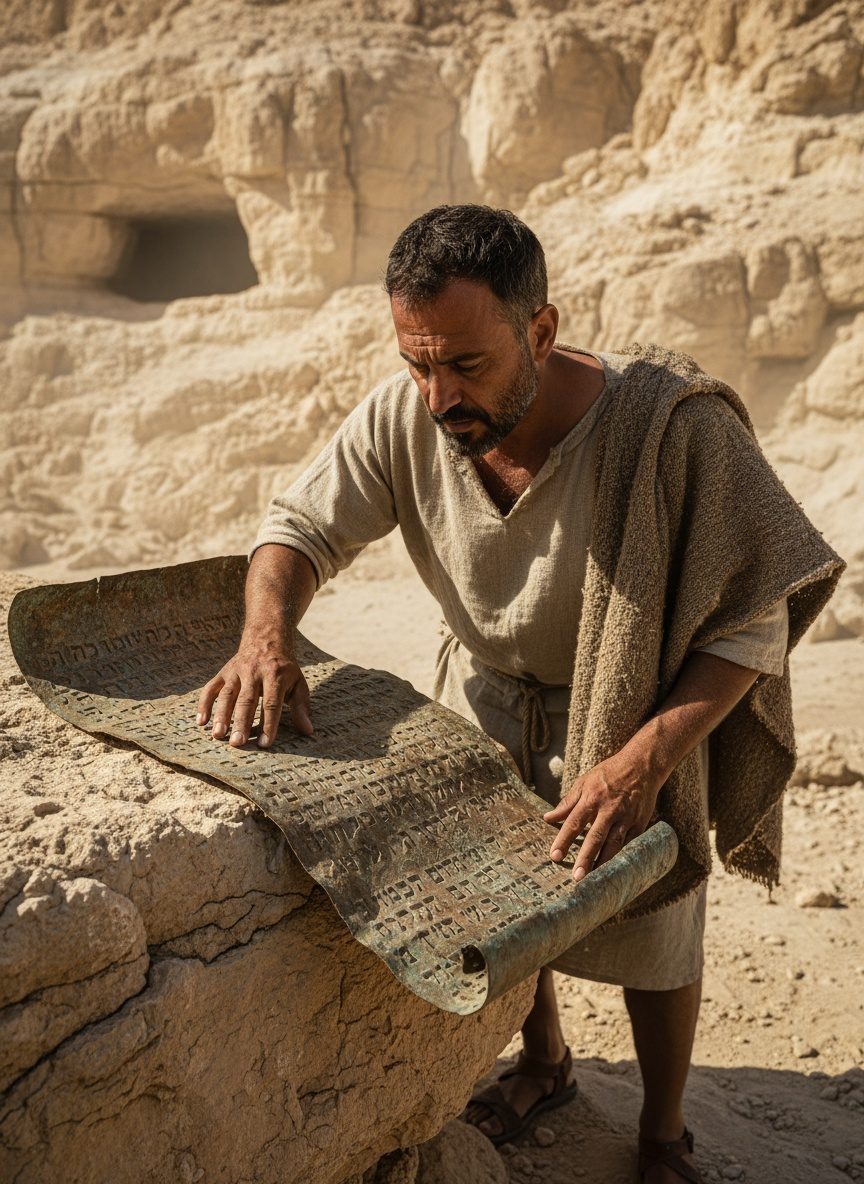
The discovery unfolded in Cave Three at Qumran, a rugged region near the northwestern shore of the Dead Sea. This area, steeped in history and enigma, had become a focal point for archaeologists after the first scrolls were discovered in nearby caves in 1947. The scrolls offered invaluable insights into the lives and beliefs of an ascetic Jewish sect, often thought to be the Essenes. But nothing captured the imagination more than the copper scrolls unearthed just a few years later. Unlike its more fragile counterparts, this scroll was meticulously inscribed on two sheets of copper, riveted together, and rolled tightly, extending for nearly eight feet when unfurled.
What set this scroll apart was its content. Instead of religious texts, the copper scroll was a treasure map, laid out in precise terms. It detailed vast quantities of gold and silver, alongside sacred vessels and religious artifacts, hidden across dozens of locations throughout ancient Judea. The treasure list begins with the remarkable line about 900 talents—akin to tons—of gold hidden in a site described with meticulous detail. Each entry followed this pattern, with each requiring a deep understanding of the geography of the time to decipher.
Yet, what makes this perfect puzzle all the more enigmatic is that the locations themselves remain elusive. Were they intended as literal directions, or were they cloaked in metaphoric language, comprehensible only to initiates? Despite its specificity, no other texts refer to this treasure, leading to speculation about its purpose.
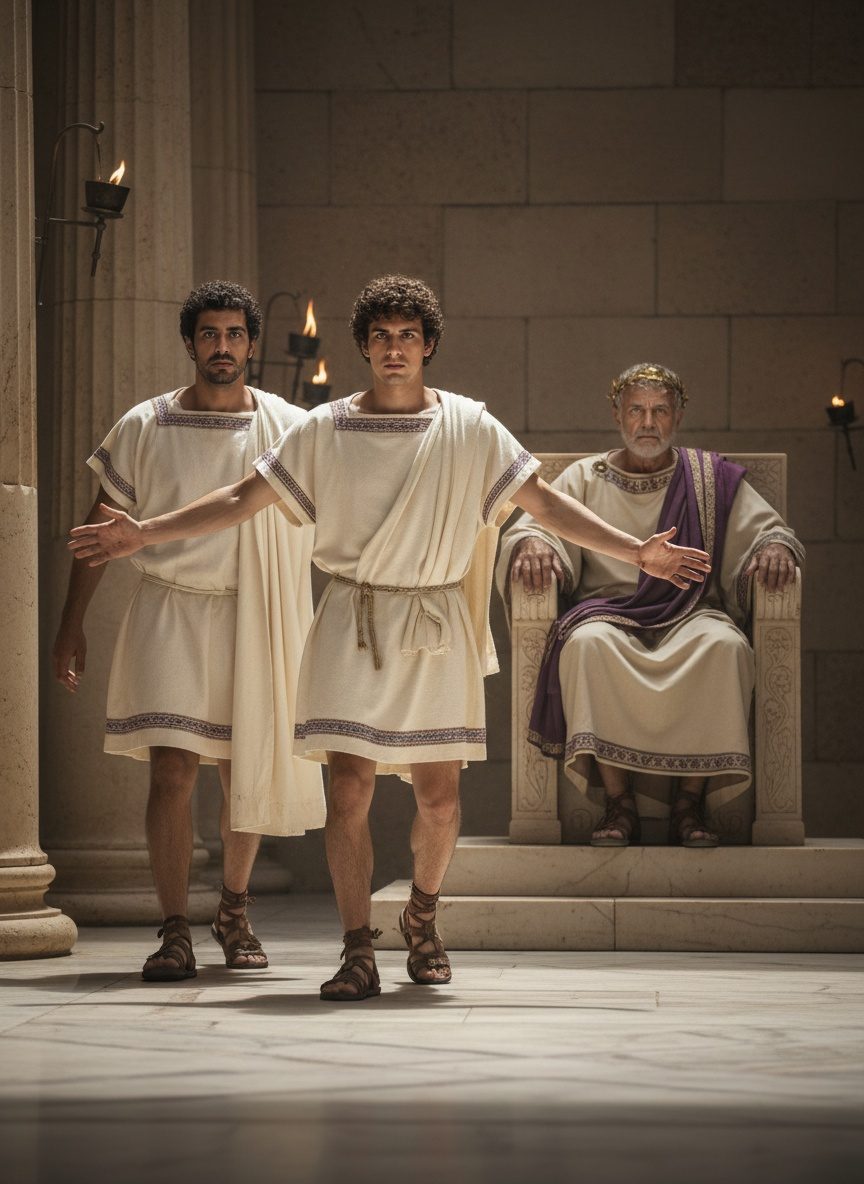
It is theorized that the treasures were hidden during the First Jewish-Roman War, a tumultuous period from 66 to 73 CE. The Jews, fearing the advancing might of the Roman Empire, may have hidden their wealth in the Judean desert, a last act of preservation against the tide of history. The scroll's copper casting reflects a determination for durability, meant to outlast the calamity that befell Judea. Paradoxically, this very durability has turned it into a beacon of mystery; the metals have withstood the ravages of time, but the treasures they herald remain unseen.
In the aftermath of its discovery, the copper scroll encountered numerous hurdles in its interpretation. The scroll's physical state had corroded over the centuries, making it difficult to unroll without damaging the inscribed messages. Ingenious methods were employed to prise it open—a lengthy and intricate process that involved cutting the metal into strips and assembling them to create legible text. The deciphering was less problematic yet equally daunting, considering the ancient Jewish script had to be interpreted with an understanding of historical geography that had shifted drastically over time.
The scroll’s language added another layer of complexity. The copper scroll was written in a peculiar mixture of Hebrew and Aramaic, suggesting it may have been intended for a knowledgeable few within the sect that possibly authored it. Its unique details—some so oddly specific, such as a massive trove being just "forty cubits from the cave of the old community"—continue to baffle scholars and treasure hunters alike.
Why has no trace of this storied treasure ever been found? Many believe it is simply buried too deeply or that the locations have been irrevocably altered by millennia of erosion. Others postulate that some of the hoards might have been rediscovered and removed long ago, their historic significance lost to time. However, the absence of such a treasure in historical Roman narratives suggests it never reached their hands. Some proponents of symbolic interpretation point to the idea that the treasure serves as a metaphorical map of spiritual or esoteric riches—a secret code pointing to intangible wealth, rather than the tangible hoards of gold and silver.
In modern history, the copper scroll has not escaped the allure it commands. Adventurers, historians, and archaeologists alike have scoured the Judean hills with metal detectors and geophysical mapping technologies, driven by the hope of unearthing the legend buried beneath centuries of earthly layers. Yet the ruggedness of the Judean landscape and the perils of deciphering ancient clues make the endeavor a formidable one.
The copper scroll is not just a remnant of historical record but also a testament to mystery and the enduring quest to understand the past. It surpasses the conventions of mere archaeology and enters the realm of legend. Its engraved words whisper secrets of an era defined by conflict and survival. They serve as a poignant reminder of the human impulse to safeguard and preserve, transcending time while challenging us to discern the past through stories, both articulated and buried. Its elusive treasures may yet reveal truths about human history, motives, and the indefatigable hope that some secrets can be unlocked, even when they seem lost to the sands of time.