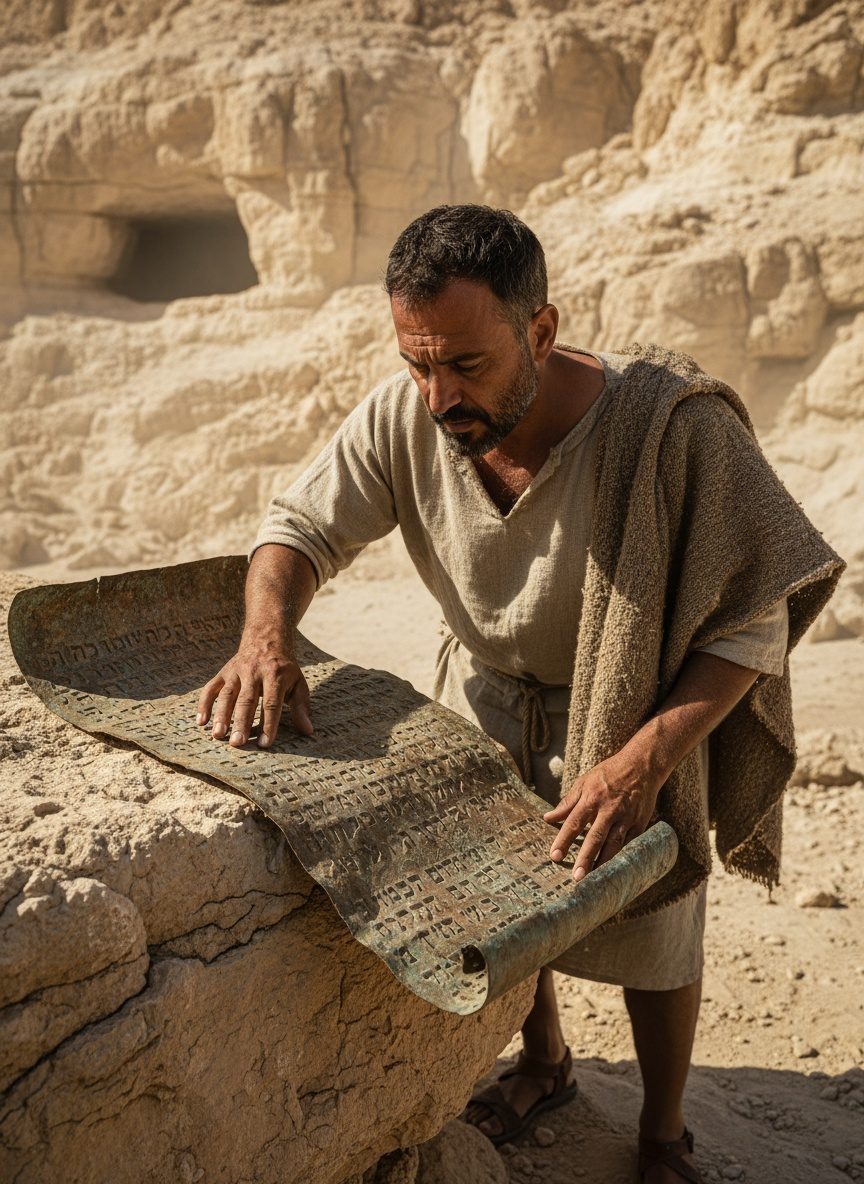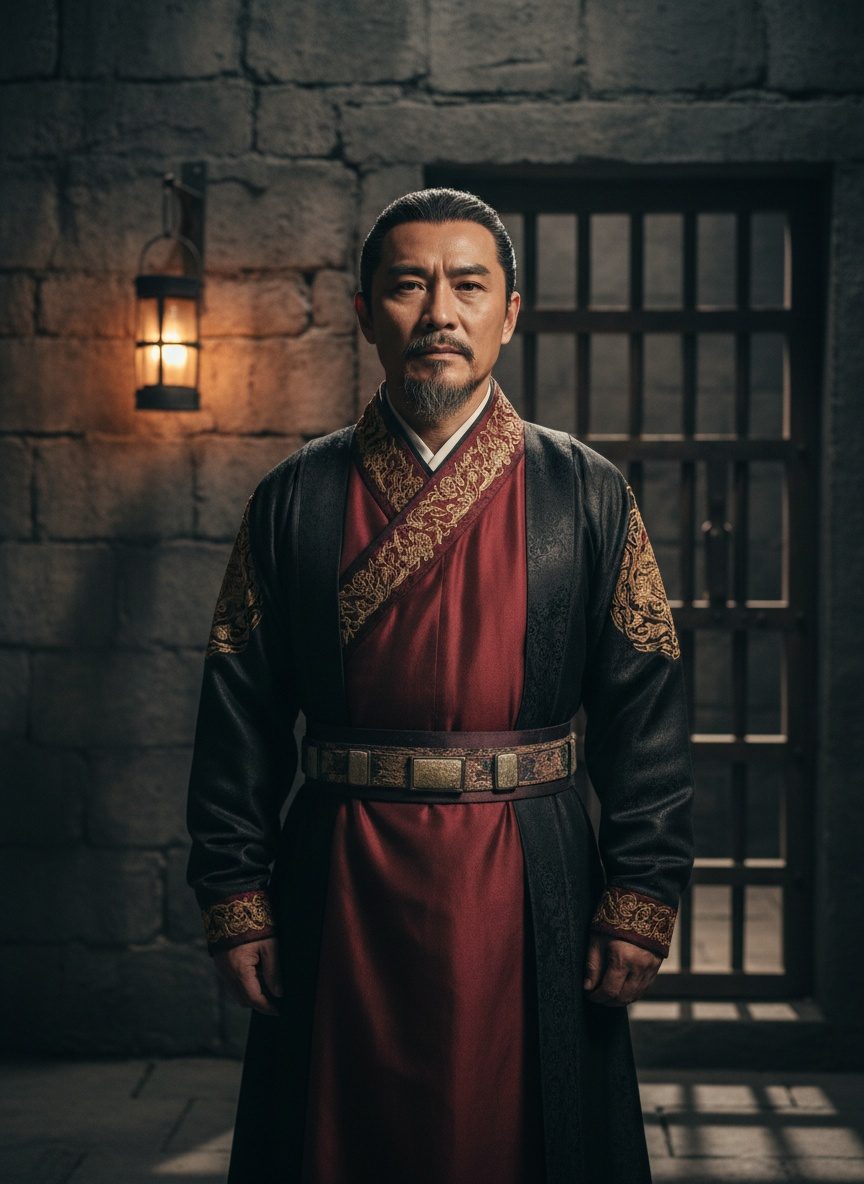
1427. The dust in the Valley of Mexico clung to everything, catching in throats and hanging motionless in the still air.
The Rise of Nezahualcoyotl
The vibrant lands of the Aztec Empire, previously a network of humble vassal states, were caught in the vise grip of more powerful forces. Among these oppressed were the people of Texcoco, ruled by Nezahualcoyotl’s father, Ixtlilxochitl I, until the winds of war cruelly altered their destinies. The lord of Azcapotzalco, a seasoned tyrant named Tezozomoc, cast an ominous shadow over the region, demanding tributes from the so-called lesser kingdoms under his thumb and enforcing his will with a ruthless hand.
Young Nezahualcoyotl, whose name meant "Hungry Coyote," found his world shattered at the tender age of fifteen when Tezozomoc's ambitions took a lethal turn. His father was brutally dispatched, justice perverted by the violent usurping of power. In the face of such calamity, many would have withered, yet Nezahualcoyotl, burning with the fire of retribution, chose exile. Like the coyote of his namesake, he became a wily survivor, constantly pursued by adversaries, yet determined to return and claim his rightful position.
During these harrowing years, Nezahualcoyotl roamed the lands, gaining allies and wisdom. This period of flight endowed him with a deep understanding of the political landscape and the inequalities that plagued his people. Unlike the reigning lords who had grown complacent in their power, Nezahualcoyotl’s hardships forged him into a leader of exceptional resolve and humility, qualities rarely seen in those who had never faced defeat.
As his cunning mind planned for the future, he fostered an allegiance with the most unlikely of allies—Itzcoatl, the ambitious ruler of Tenochtitlan. While the Aztecs had long been subordinated under the tributary demands of the Tepanecs, Itzcoatl saw in Nezahualcoyotl a kindred spirit, one whose aspirations mirrored his own desires for independence and sovereignty. Together, they set the stage for a revolution that would reshape the power dynamics across the region.
A New Order: Rebellion and Alliance
A strategic partnership between Itzcoatl and Nezahualcoyotl seemed improbable. Yet, it was precisely this union that catalyzed a seismic shift in Mesoamerican politics. Alongside the influence of the lord of Tlacopan, they crafted the basis of what would become the Triple Alliance—a potent combination of Texcoco, Tenochtitlan, and Tlacopan. This coalition was not just an effort to overturn their Tepanec overlords but to weave together disparate tribes under a single banner of cooperative prosperity.
As the armies of the Alliance marched forth, a revolutionary fervor filled the air. Tezozomoc’s successor, the ill-fated Maxtla, inherited a tenuous throne from which he attempted to maintain the oppressive reign of his father. Yet, he was no match for the tactical genius and vision of Itzcoatl and Nezahualcoyotl. Through decisive battles and brilliant diplomacy, the oppressive yoke of Azcapotzalco was cast off, and the tyrant's empire crumbled like so many grains of sand under the tide.
The victory was bittersweet—it was not just a triumph over cruel dominance but also a chance for Nezahualcoyotl to reclaim his place in Texcoco, no longer a fugitive but a sovereign. His return was marked by jubilation, yet he knew that success on the battlefield was merely the prelude to greater endeavors ahead. He envisioned a society which was not only free from tyrants but one where justice was enshrined through law, guiding every citizen regardless of their station.
The alliances forged in the flames of conflict were used as mortar to rebuild the shattered estates of Texcoco. Nezahualcoyotl embarked on an ambitious project to elevate his kingdom into a bastion of culture, knowledge, and fairness, unmatched by any in the region. A patron of the arts, he invited poets, architects, and scholars to his court, cultivating a land rich in intellectual and material wealth.
Nezahualcoyotl's Legal Revolution
Nezahualcoyotl’s legacy, however, was not solely defined by military and cultural conquests. He desired to create a legal framework that echoed his own experiences and aspirations, laying the groundwork for a society ruled by equitable laws, rather than the caprices of men. Thus, he turned his creative ingenuity towards legislature, crafting a pioneering set of laws that bound not only commoner but also the king.
The codification of these laws was nothing short of revolutionary, offering protections to those who possessed little voice in society. Consistent with Nezahualcoyotl's vision, the laws reflected a balance between wisdom and compassion, where the impoverished could seek reparations without fear and offenders, regardless of status, faced justice. He ensured that no person, not even the most exalted, was deemed above the measures enacted to safeguard the state and its people.
This legal code promoted education, artistry, and judicial fairness. It introduced innovative policies for the protection of natural resources, appreciating the delicate interconnection between environment, economy, and culture. Not only were these laws a protective measure against tyranny; they also fostered a sense of shared destiny, binding neighbour to neighbour through mutual respect and responsibility.
The codices formed by Nezahualcoyotl set precedents echoed generations beyond, influencing future legal systems and governance structures within and outside his sphere. It was his foresight that aligned with an unswerving dedication to fairness that carved an enduring legacy—a humane governance model amidst a landscape often marred by bloodshed and ambition.
Nezahualcoyotl’s tale is one of survival against overwhelming odds, but also a testament to vision and perseverance shaped by exile and loss. The laws he established not only fortified his kingdom, ensuring its prosperity, but also planted the seeds for future civilizations to flourish under the canopy of justice. In today’s world, his story reminds us why leadership must be bound by principles, and that sometimes, the most profound victories are written not on battlegrounds but in the hearts of those yearning for change.