Genghis Khan had enemies. One nearly killed him. This enemy boldly confessed his crime and received a reward: a new life as Jebe, one of the Khan's top generals.
The Crucial Battle on the Steppes
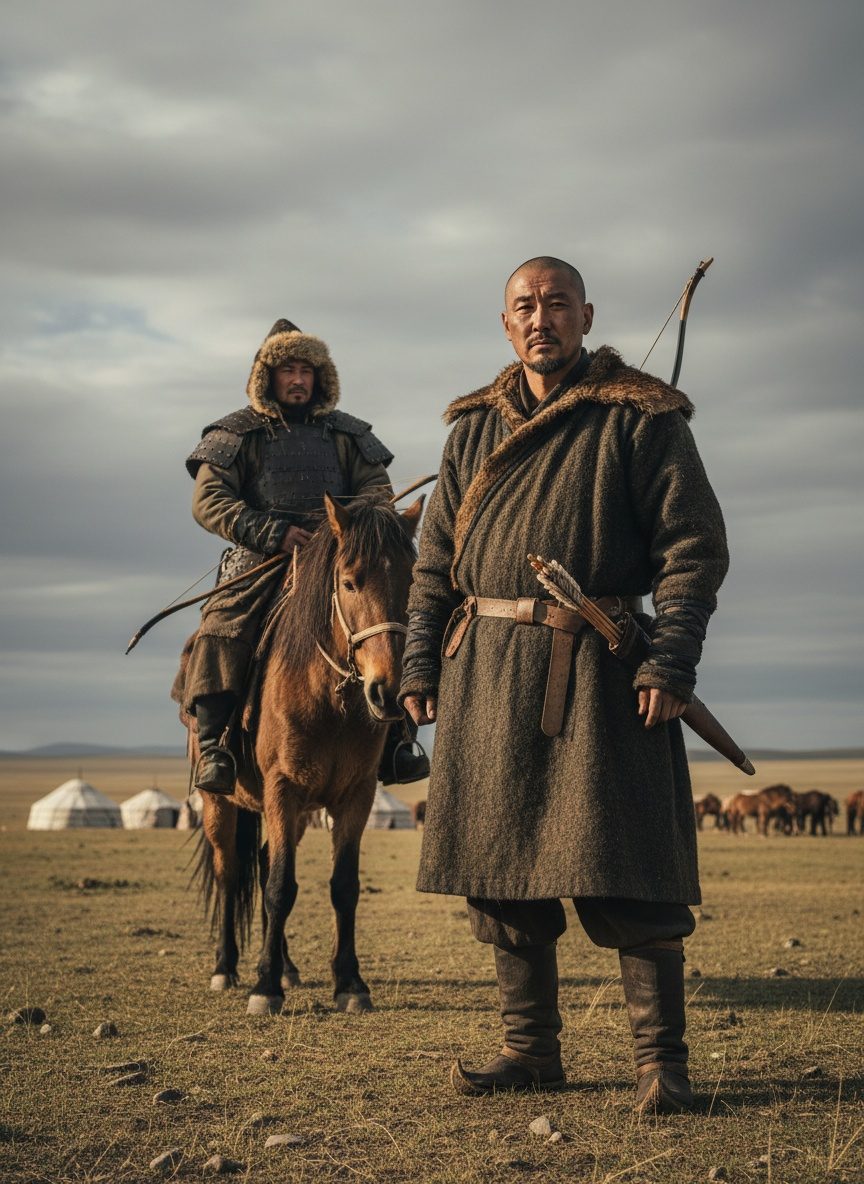
The windswept steppes of Central Asia witnessed many a fierce encounter, but one particular clash could have rewritten history altogether. As Genghis Khan and his loyal followers surged into battle against a formidable opponent, there was a moment when his life hung by a thread. Amidst the chaos, an arrow was loosed with deadly accuracy, striking Genghis Khan’s horse. The fall came close to ending the Khan’s life and his burgeoning empire before it truly began. The sharpened piece of wood could have been the footnote to a forgotten legacy, but fate had other plans.
The Courageous Confession
In the aftermath of the battle, with the dust of combat still settling, Genghis Khan demanded to know the identity of the one whose arrow had found its unintended mark. It was then that an astonishing act of courage and audacity unfolded. One of the defeated warriors stepped forward, the man who had loosed the arrow that almost changed the course of history. He came not to beg for mercy, but to face the great Khan with honesty. His confession was not only an act of bravery but a deliberate choice to face death with dignity.
The Unexpected Pardon
In the unpredictable world of Mongol warfare, where betrayal was met with swift retribution, the last thing anyone expected was for the Khan to show mercy. Yet, instead of ordering the confessed archer's execution, Genghis Khan saw potential in the man’s skill and fearlessness. Admired for his candor and archery proficiency, the man was given a second chance. He was renamed Jebe, meaning “the Arrow,” a fitting tribute to the weapon that nearly claimed the Khan's life. This act of clemency was not merely unusual; it was revolutionary, a testament to Genghis Khan's strategic brilliance in recognizing and rewarding talent, even from among his foes.
The Rise of a Great Commander
Jebe’s transformation from enemy to trusted general was nothing short of extraordinary. Under the leadership of Genghis Khan, Jebe flourished, demonstrating an innate ability to command troops and execute military strategies with precision. His strategic mind and combat prowess quickly established him as one of the Mongol Empire’s most revered commanders. Jebe's campaigns extended the reach of the Mongol Empire far beyond the steppes, showcasing the Khan’s inclusive strategy that valued merit over background—a vision that allowed the Mongols to harness the talents of many different peoples.
Why This Story Still Matters
In the annals of history, few stories illustrate the complex tapestry of leadership as this one—a near-fatal encounter transformed into a lifelong alliance through a single act of mercy. Genghis Khan’s decision to spare Jebe demonstrates the power of a discerning mind, able to look past personal grievances to the potential within even the most unlikely individual. This lesson extends far beyond the Mongolian steppes, offering a timeless reflection on leadership, forgiveness, and the potential of second chances to reshape destinies. In a world where silence could have saved him, Jebe chose confession, bravery, and ultimately, earned his place in history.