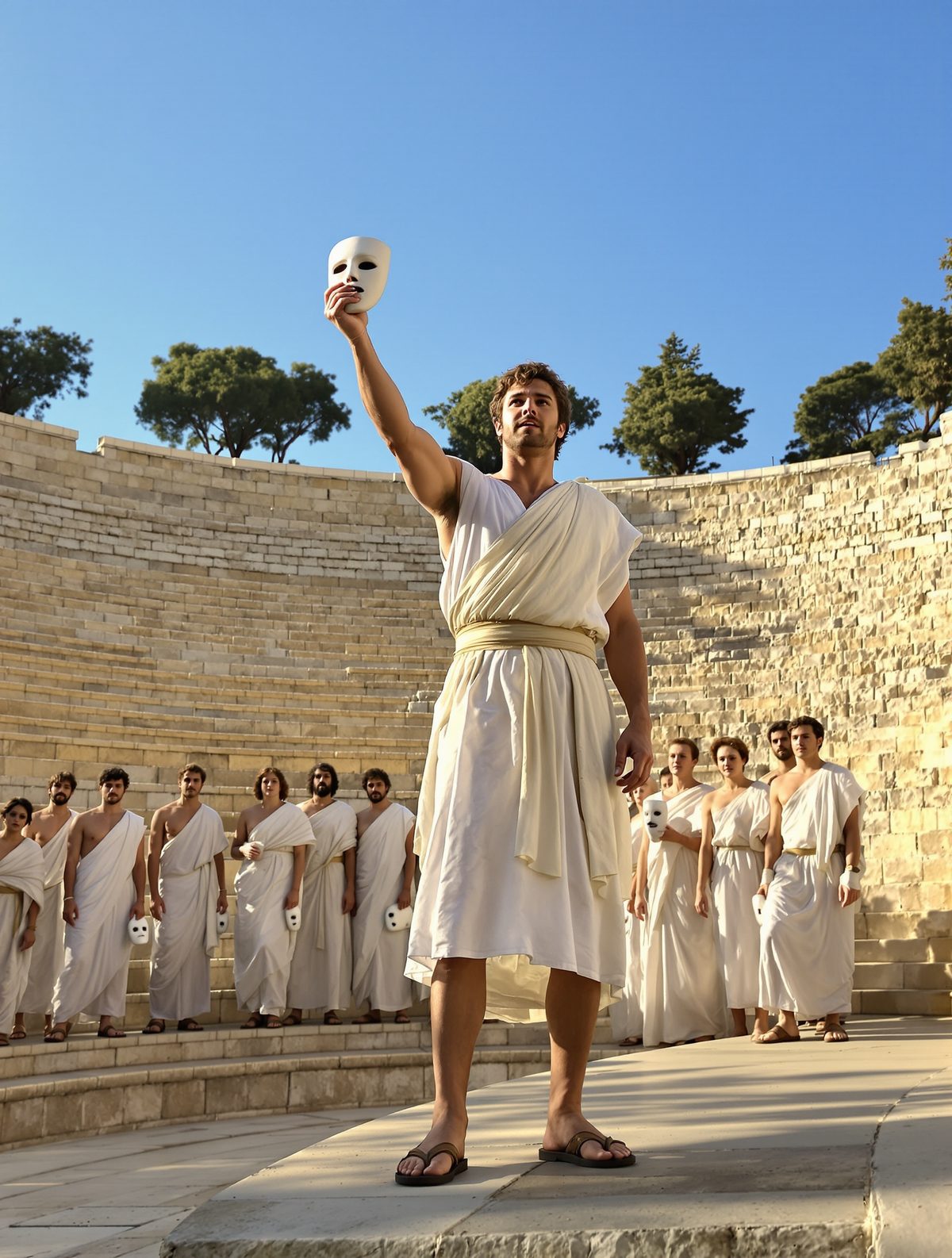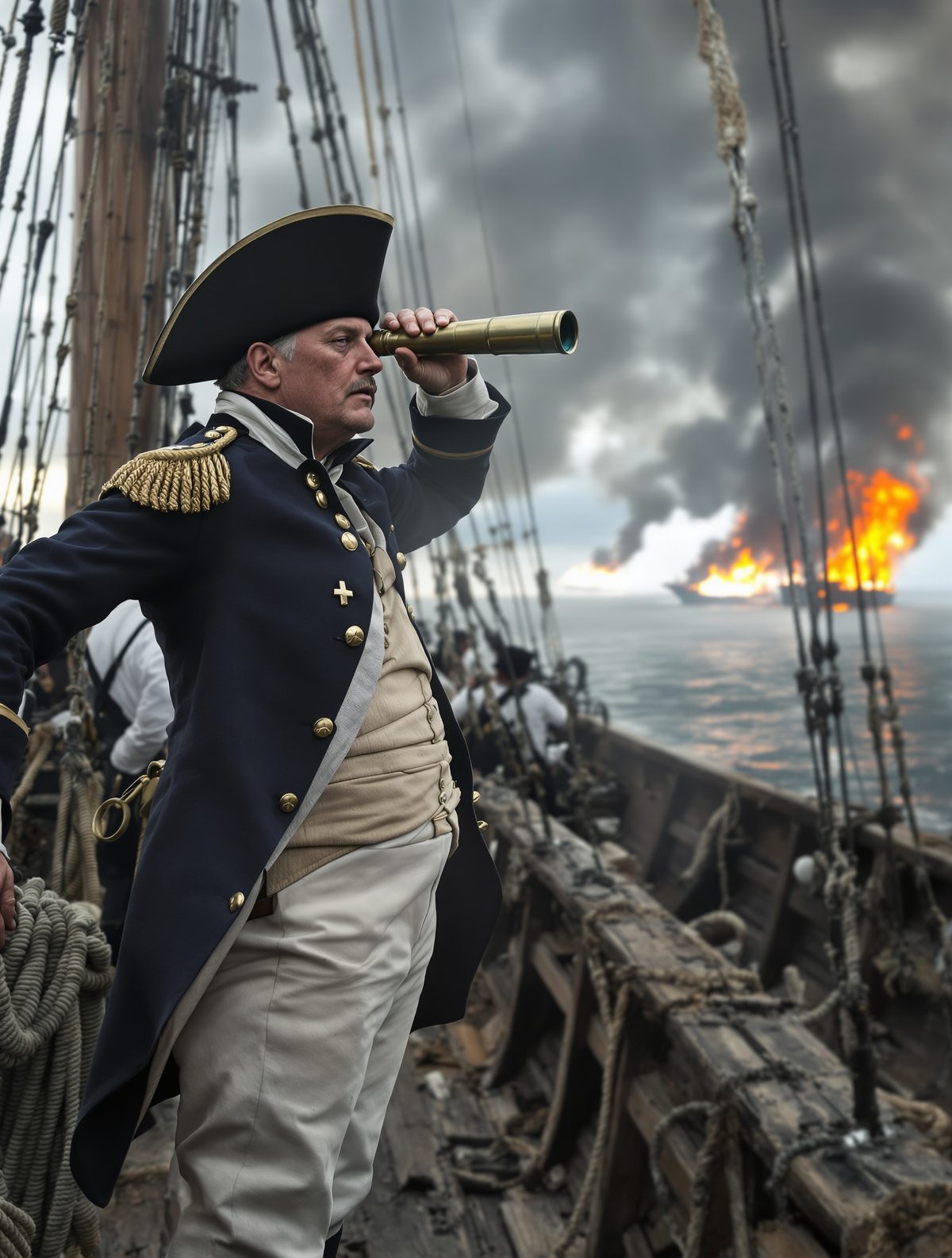
The fog of war often obscures many phenomena, yet on April 2, 1801, in the icy waters of the Baltic Sea, an audacious act of defiance from one of history's most distinguished naval commanders pierced through with striking clarity. Facing a ferociously armed Danish fleet, British Vice-Admiral Horatio Nelson was ordered to retreat. Instead of conceding, he raised his telescope to a cheeky advantage—his blind eye—and declared, "I really do not see the signal." What followed was a gripping chapter in naval warfare, as Nelson transformed a foreboding retreat into a daring victory.
The Setting: Prelude to a Naval Showdown
The early 19th century was a time of turbulent waves and power struggles as Britain sought to assert naval supremacy across Europe. By 1801, the French Revolutionary Wars had intensified, and Britain faced a coalition of Northern European powers led by Denmark, Sweden, and Russia, collectively known as the League of Armed Neutrality. Tensions simmered, and an inevitable confrontation loomed.
The Denmark-Norway alliance, perceived as a significant threat, necessitated a decisive response from the British Admiralty. Commanded by Admiral Sir Hyde Parker, the British fleet set sail for Copenhagen, determined to dismantle Denmark’s naval forces. With the heart-stopping backdrop of fortified Copenhagen harbor, the scene was set for what would become known as the Battle of Copenhagen.
Main Actors: Nelson and the Rise to a Masterstroke
Horatio Nelson, a vibrant figure known as much for his tactical ingenuity as for his physical impairments, stood prominently among Britain's naval echelons. At age 42, he had already forged a remarkable history at battles such as the Nile, where his daring maneuvers became the stuff of legend. Yet, no story was as emblematic of his audacity as what unfolded in the Danish straits.
With characteristic flair, Nelson orchestrated the initial assault plan. His strategic acumen was evident in his decision to lead a divided fleet into the narrow channels, forcing a close-quarter engagement—an environment wherein the British gunnery, precision, and seamanship could exploit Danish vulnerabilities. However, navigation miscalculations left several British ships stranded, and the ostensibly well-defended Danish line seemed insurmountable.
The Crisis Point: The Blind Eye to Duty
Amidst the chaos and cannon smoke, Parker, perceiving the battle's unfavorable trajectory, signaled Nelson to disengage by hoisting the flag for withdrawal. To someone fiercely singular in vision—both literally and metaphorically—Parker’s signal was little more than a suggestion.
This moment became immortalized in one of history's most talked-about acts of defiance. When informed of the signal, Nelson nonchalantly raised his spyglass to his damaged eye and declared, "I really do not see the signal." Such irreverence wasn't just melodrama; it was a calculated gamble grounded in his belief in victory.
Within hours, with ferocity and finesse, Nelson's squadron blanketed the Danish defenses in sustained broadsides. His gamble paid off as the superior British firepower forced the Danish to near capitulation. Realizing the tides had turned, Nelson then offered an unusual ceasefire wrapped in a threat—either halt hostilities or face annihilation—a masterstroke blending strategy with diplomacy, solidifying his reputation as both warrior and peacemaker.
Aftermath and Legacy: Not Just a Tale of Victory
The Battle of Copenhagen was a triumph for the British, both tactically and politically. It demonstrated Britain's naval predominance and definitively broke the Northern coalition. But just as significant was what it said of leadership—a single decision to "turn a blind eye" shattered an alliance and reaffirmed British dominance on the seas.
Yet Nelson's tale does not end there. It was at Copenhagen where he began cementing his legacy, not just as a naval hero but also as a figure larger than life itself. His valor did not go unnoticed; the epithet “Hero of Copenhagen” echoed through Naval annals, reinforcing that defiance, when tempered with discernment, can spark innovation—even when borne of insubordination.
Why It Matters Today: Lessons Beyond the Battlefield
More than two centuries later, Nelson’s moment of calculated insubordination speaks to today’s leaders and decision-makers worldwide. It underlines the importance of vision—literal and figurative—and challenges the very notions of authority and obedience. Effective leadership sometimes requires boldness, resisting status quo, and choosing calculated action over conventional commands.
As we reflect on Nelson's legendary action, one cannot help but grasp the broader implications for leadership in all facets of life. Turning a "blind eye" can, on rare occasions, light the way to greatness against seemingly insurmountable odds. The story of that April afternoon aboard HMS Elephant serves not only as an engaging tale of historical bravado but also as an enduring testament to visionary courage—the kind that changes destinies and reshapes the world’s canvass long after the cannon smoke has settled.