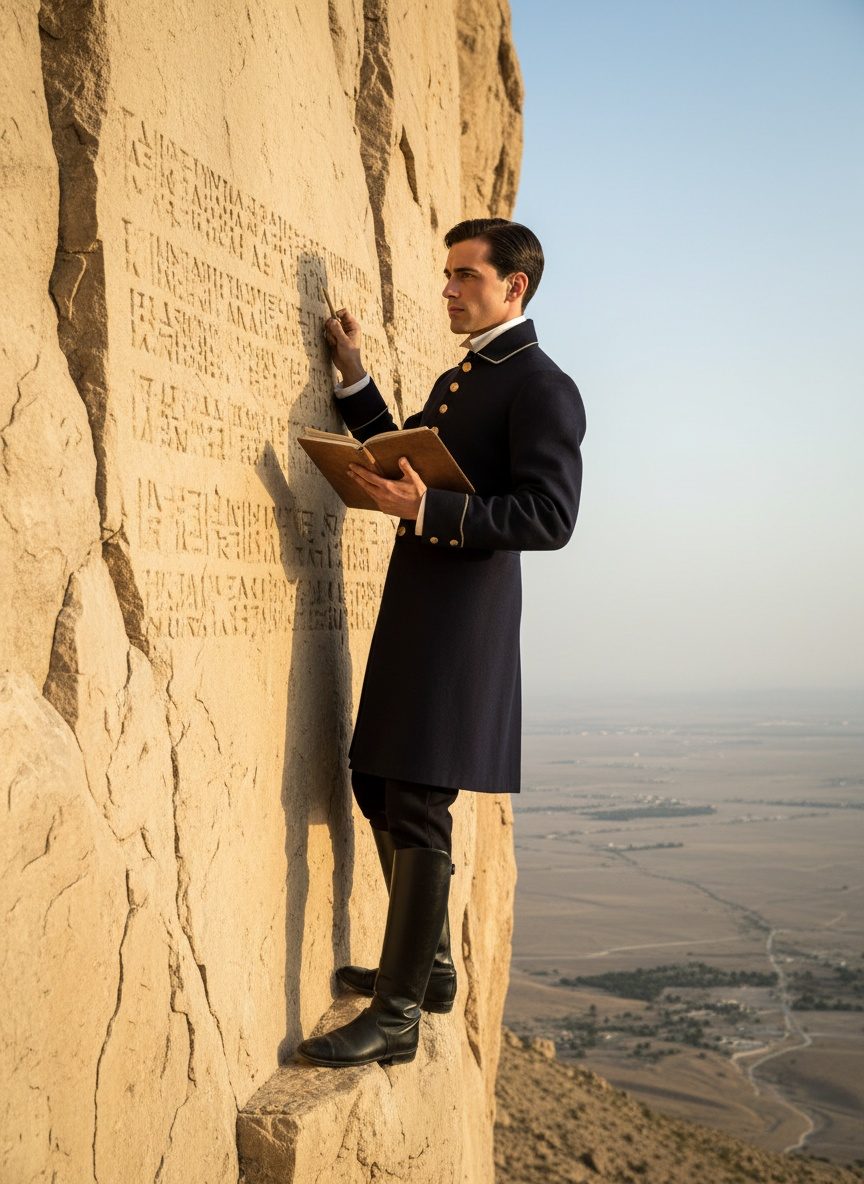
The air is thick with the scent of incense and the distant murmur of chanting monks fills the atmosphere, echoing off the ancient walls of Chang'an. It is the early months of 629 AD, and the capital of the Tang Dynasty is a bustling hub of power and ambition. Yet, beneath the surface of this imperial city lies a story of quiet rebellion and formidable resolve. The young Buddhist monk Xuanzang has received a firm denial from the emperor for his proposed pilgrimage to India. But for Xuanzang, the spiritual heart of Buddhism lies beyond China’s borders, and the solemn promise of self-enlightenment beckons him with an unyielding call. It is in the silence of the night that he executes a plan as daring as it is forbidden: a journey into the vast and perilous unknown, powered by sheer conviction and a forged letter of authorization.
A Monk's Mission and a Forger's Gambit
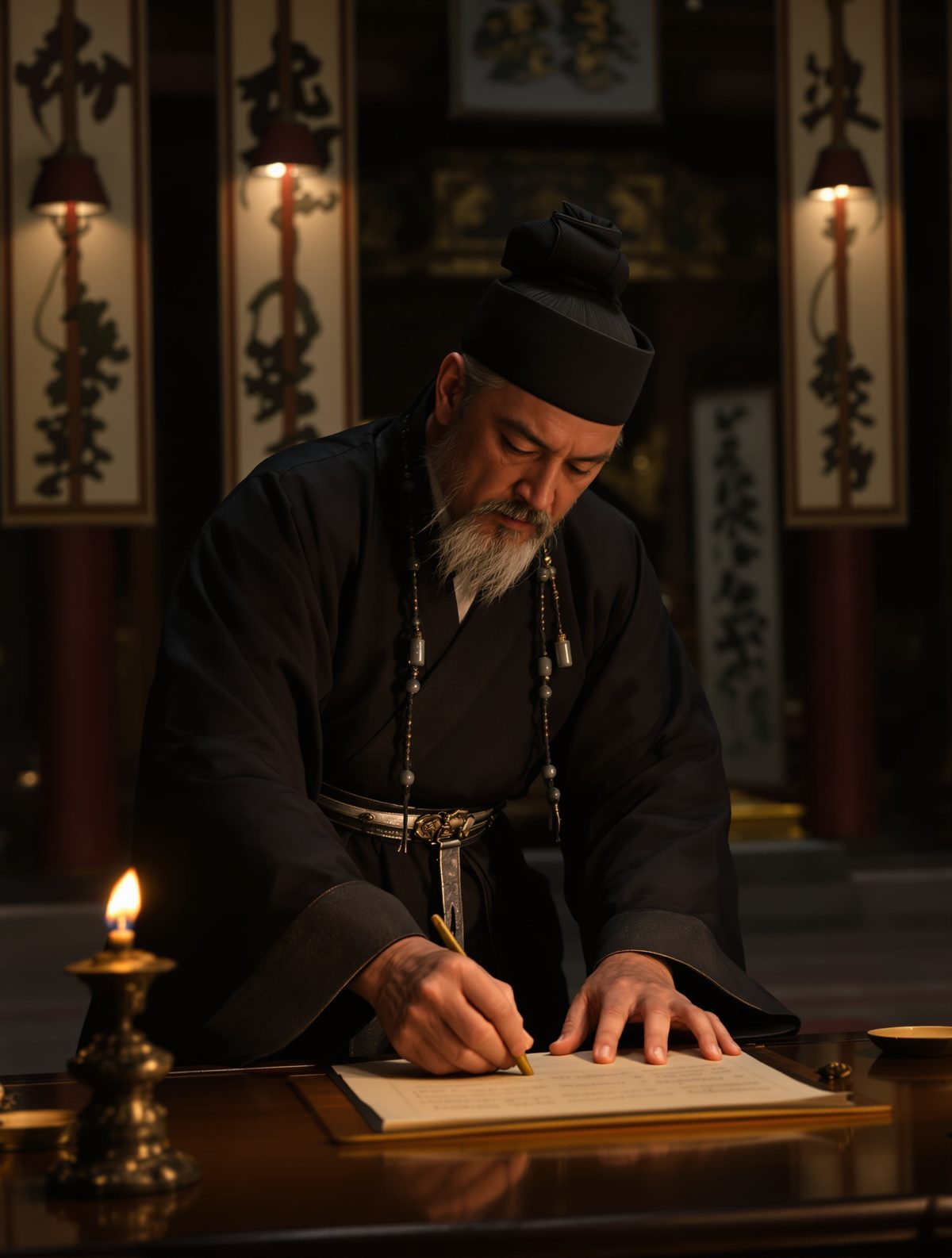
As the sun sets beyond the enduring walls of Chang'an, casting long shadows over the impressive streets, a lone figure slips into the shadows. His heart beats with the quiet determination nurtured by years of spiritual study. Xuanzang, driven by an insatiable thirst for truth, knows that the sacred texts enshrined in distant lands hold the answers he seeks about the teachings of the Buddha. However, the recent political decrees from the throne have slapped a restrictive seal on any such ventures, fearing the political ramifications from the Tang Empire’s western neighbors. Undeterred, Xuanzang wields a brush and ink thoughtfully, crafting a letter that bears the weight of imperial consent — a bold testament to his fearless resolve.
This singular act of audacity—to forge a path and a document—speaks to Xuanzang’s clarity of mission more than mere deception. In an era where daring the wrath of the emperor could mean death, the young monk’s defiance was not a mere act of courage but an obligation to the heart of Buddhism. The letter not only symbolized permission but acted as a bridge to his destiny, tasked with transcending borders both physical and spiritual.
Across the Endless Sands and Skyward Peaks
Xuanzang’s journey from Chang'an draws him across the vast arid expanses of the Gobi Desert, a daunting departure from the greenery and bustle of his homeland. Each grain of sand under his feet is a reminder of the impermanence preached by the Buddha. Traveling by night to avoid the scorching sun, wrapped in the chilled embrace of the desert’s breath, Xuanzang withstands the isolation and immensity of the wilderness. His solitary march is a vivid testament to relentlessness and faith.
The trek only grows more treacherous with the approach to the formidable mountain ranges. The Himalayas rise like a battalion of stone sentinels, their icy peaks cutting into the sky. Here, Xuanzang’s endurance is tested against nature’s harshest elements. This is not just a physical crossing; it is a journey into the teachings he so eagerly seeks. With each step, each prayer murmured into the earthen sanctuary, he fortifies his spirit against the fearsome blizzards and thin air that threatens to halt his pilgrimage.
Kings, Scholars, and Sacred Scrolls
The lands beyond bring Xuanzang in contact with a mosaic of cultures and kingdoms, each offering a piece of the puzzle he seeks to complete. He arrives in India, the cradle of Buddhism, where scholars and kings alike hold the keys to ancient knowledge. Nalanda, the great monastic university, becomes a sanctuary of learning for Xuanzang, and the dusty earth of India proves fertile ground for new growth in his understanding.
Here, Xuanzang encounters an intellectual haven, engaging with masters in lengthy discourses and studying an array of texts - the heart of his mission. These years are not merely about amassing knowledge but embodying it. The connections he forges are not just with ideas, but with the people who carry them, binding his purpose with theirs. He collects a trove of sacred scriptures—657 texts, a manifest rich in wisdom for the ages.
The Revelation Within the Return
After seventeen years, Xuanzang returns not merely as the monk who left but as a venerable scholar, bearing the intellectual spoils that promise to transform his homeland. His journey back to China is both a triumph and a new beginning. The once-forged letter is now but a footnote to a monumental and genuine achievement. Chang'an welcomes him not as a fugitive but as a savant whose discoveries will reverberate through the annals of Chinese civilization.
The texts Xuanzang carried became intrinsic threads in the national tapestry, deepening and expanding the practice of Buddhism in China. Beyond the scriptures, his accounts provided glimpses into distant lands, bridging cultures with the pen as much as he had with his feet. The rewards of his journey speak not just to faith but to the unyielding pursuit of knowledge and understanding against all odds.
In reflecting on the path of Xuanzang, we uncover the enduring power of journeys past, echoing the realm of courage where faith and knowledge entwine into the very fabric of human endeavor. His legacy is a reminder that the fiercest boundaries are not found in deserts or mountains, but in the confines of our courage—waiting only for the indomitable to cross them.