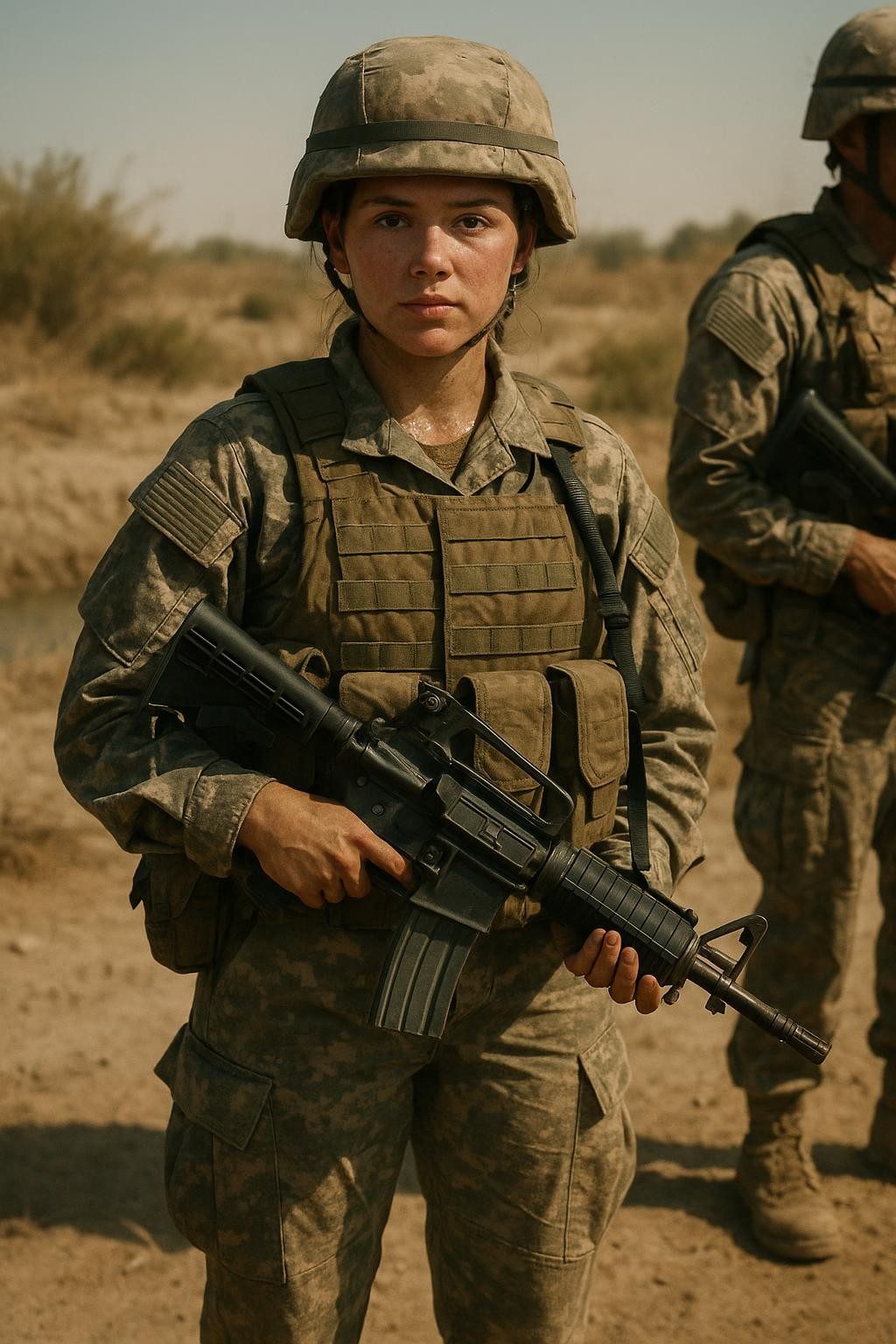
March 20, 2005. The dust hung thick in the air near Salman Pak, Iraq.
The Ambush Unfolds
As the convoy made its way down a nondescript stretch of road, the environment seemed deceptively serene. The mission was straightforward but fraught with the underlying tension that accompanies any patrol in a conflict zone. Within moments, the calm shattered into chaos when insurgents attacked with ferocious intensity. The ambush was meticulously planned, with the insurgents numbering fifty—armed and strategically positioned to maximize their advantage.
The crack of gunfire permeated the air, and plumes of smoke rose from the vehicles under heavy assault. Soldiers scrambled for cover, the training engrained in them guiding their instinctual reactions. But the enemy had the upper hand, and the ten soldiers in Hester's squad faced daunting odds. These were the moments that tested the mettle and courage of those caught in the fray, where decisions made in seconds determined life or death.
A Leader Emerges
Sergeant Leigh Ann Hester was a 23-year-old military police team leader. Despite the Army policy that prevented her direct assignment to ground combat, she found herself at the spear's edge of an insurgent attack. The ambush was a pivotal test of leadership, and Hester's response did not merely defy expectations—it redefined them.
Realizing the gravity of the situation, Hester didn't hesitate. Her decision to drive into the flank of the ambush demonstrated audacious bravery. Exiting the vehicle, she took the fight to the insurgents with a resolve that bolstered her fellow soldiers. This was a moment when training, adrenaline, and a sense of duty coalesced into action.
As bullets zipped past and the noise of warfare engulfed her, Hester led her squad through gunfire towards the source of the attack. Her leadership on that harrowing day was documented across the globe but not always afforded the recognition it warranted. Hester would soon etch her name into the annals of military history through courage and tenacity.
The Trench Assault
The ambush site was a chaotic battlefield of smoke, noise, and frantic movement, but within this chaos lay a trench line—home to insurgents who had carved out what they believed was an advantageous position. Yet, they had not counted on the resolve of Hester and her squad.
Equipped with grenades, Hester launched a daring assault on the trench. The operation required proximity to the enemy, a task requiring both nerves of steel and unyielding resolve. She cleared the insurgents from their position at close range, an act of heroism not only changing the tide of this skirmish but also carrying symbolic weight beyond the immediate encounter.
These moments of conflict, stripped down to human resilience in the face of adversity, capture the raw edges of historical events that are too often overlooked. Hester's actions that day were testament to an enduring truth of warfare: courage may often be found in unexpected circumstances, and its expression has the power to alter narratives.
The Policy Paradox
At a time when military policy explicitly barred women from direct ground combat assignments, Hester's active role in combat challenged preconceptions and policies. Her bravery in action offered a palpable counter-narrative to bureaucratic restrictions grounded in traditional views of gender roles within the military.
This was the paradox—a rule claiming impossibility met with practical reality. The standards that dictated assignments failed to recognize the fluid nature of warfare, where frontline and non-frontline become mutable and soldiers, regardless of gender, are summoned to act decisively and bravely.
Hester's experience serves as a crucial juncture in the ongoing discourse about women's roles within military operations. Her engagement in the combat encounter near Salman Pak brought into focus a broader conversation about capability, opportunity, and recognition for women in roles traditionally dominated by men.
Echoes Beyond the Battle
The resonance of that day in March 2005 extends beyond the confines of the battlefield. Hester's valor illuminated not only her personal courage but underscored a shift in the landscape of military engagement and gender roles therein. While her actions were encapsulated in written accounts and military reports, the essence of her story transcends mere documentation.
This episode compels reflection on the narratives of unsung heroes, the moments enshrined not just in military annals but in the broader narrative of social progress. Hester's story reaffirms the notion that courage knows no gender, and valor manifests in groundbreaking ways when tradition meets modern-day reality.
As we consider Hester's outstanding bravery, it becomes evident that historical narratives, often presented as static occurrences framed by policy and expectation, are dynamic testaments to the adaptability, courage, and resolve of individuals thrust into extraordinary circumstances. In these stories—hidden within the folds of broader historical events—lies the powerful reality of human experience that reshapes our collective understanding.