It was a cold December night in 1170 when four mounted figures galloped through the frosty countryside of England, their armor clinking rhythmically against the horses' flanks. By morning, their journey would end in bloodshed on the sacred stones of Canterbury Cathedral — an act that would send ripples through Christendom and alter the power dynamics of medieval Europe forever.
The Unlikely Friendship
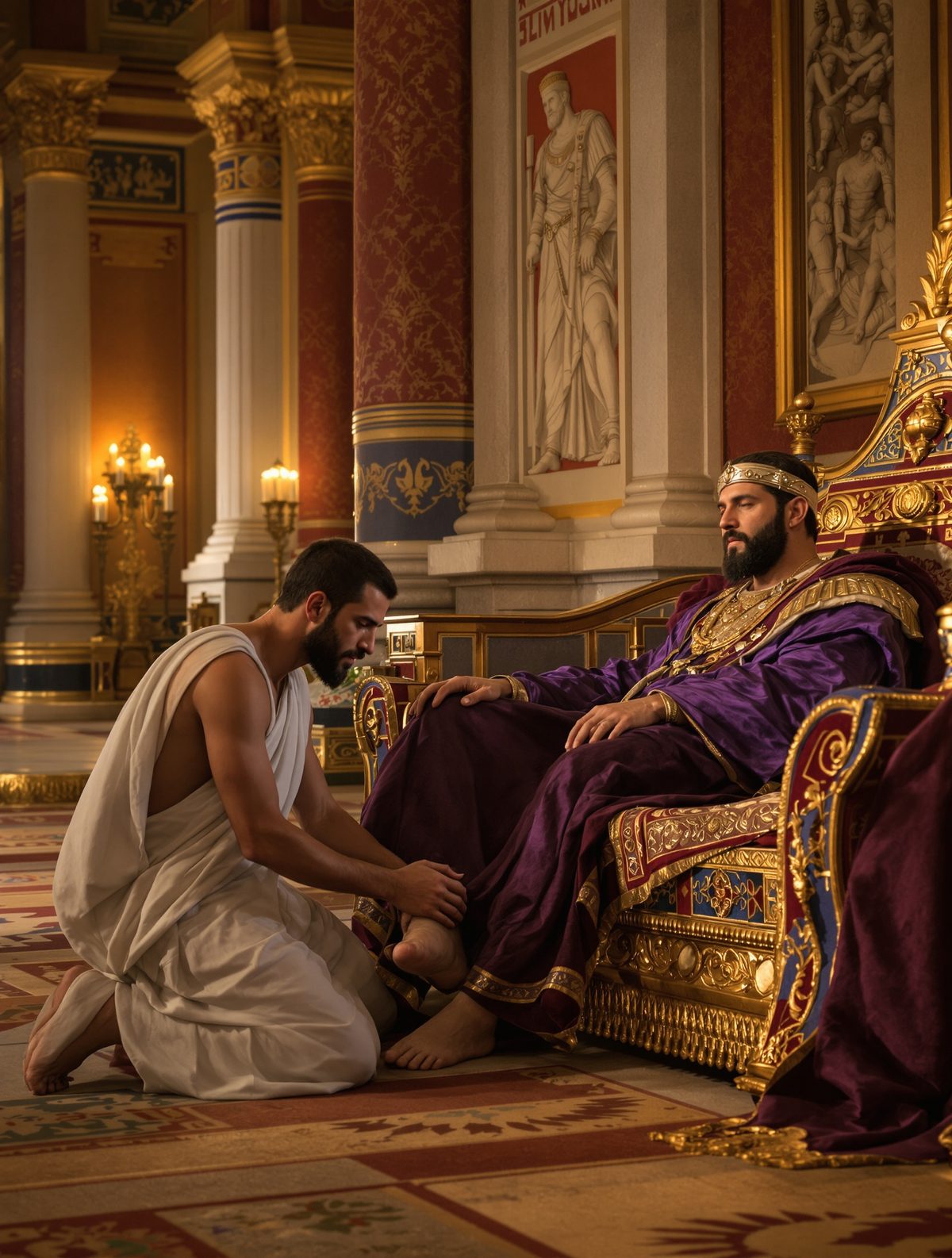
The tale begins two decades earlier with an unlikely friendship between a king and his subject. Henry II, the vigorous and fiery ruler of England, saw in Thomas Becket a kindred spirit when he appointed him Chancellor in 1155. Becket, of humble beginnings, rose to prominence through sheer brilliance and determination. The two men forged a bond steeped in mutual respect and shared ambitions. Their camaraderie became the talk of England's corridors of power, with Becket speaking with the authority of the king himself.
However, when Henry appointed Becket as Archbishop of Canterbury in 1162, believing he would have an ally in the Church to push through his reforms, destiny had other plans. Becket underwent a profound transformation, embracing his new role with devout seriousness and prioritizing ecclesiastical independence over royal ambitions. The once inseparable friends found themselves stark adversaries, each defending a bastion of power: the Crown versus the Church.
An Unforgiving Clash
Their conflict became a public — and at times, explosive — struggle. In 1164, the Constitutions of Clarendon sought to curb ecclesiastical privileges and assert royal supremacy over the clergy. Becket's refusal to concede ignited Henry's wrath. Powerless to rein in his Archbishop, Henry fumed and seethed, their disputes punctuated by dramatic exiles and strained reconciliations.
In October 1170, tension reached a breaking point. Becket excommunicated several bishops who had sided with the king during his coronation of Prince Henry as co-sovereign. This bold act was the final straw for Henry, who erupted in frustration during a gathering at his castle in Bures, Normandy.
Legend has it that he cried out in exasperation, “Will no one rid me of this turbulent priest?” The words — whether an actual command, an utterance of despair, or nothing more than a rhetorical question — had dire consequences, for they reached the ears of four ambitious knights.
The Ride to Destiny
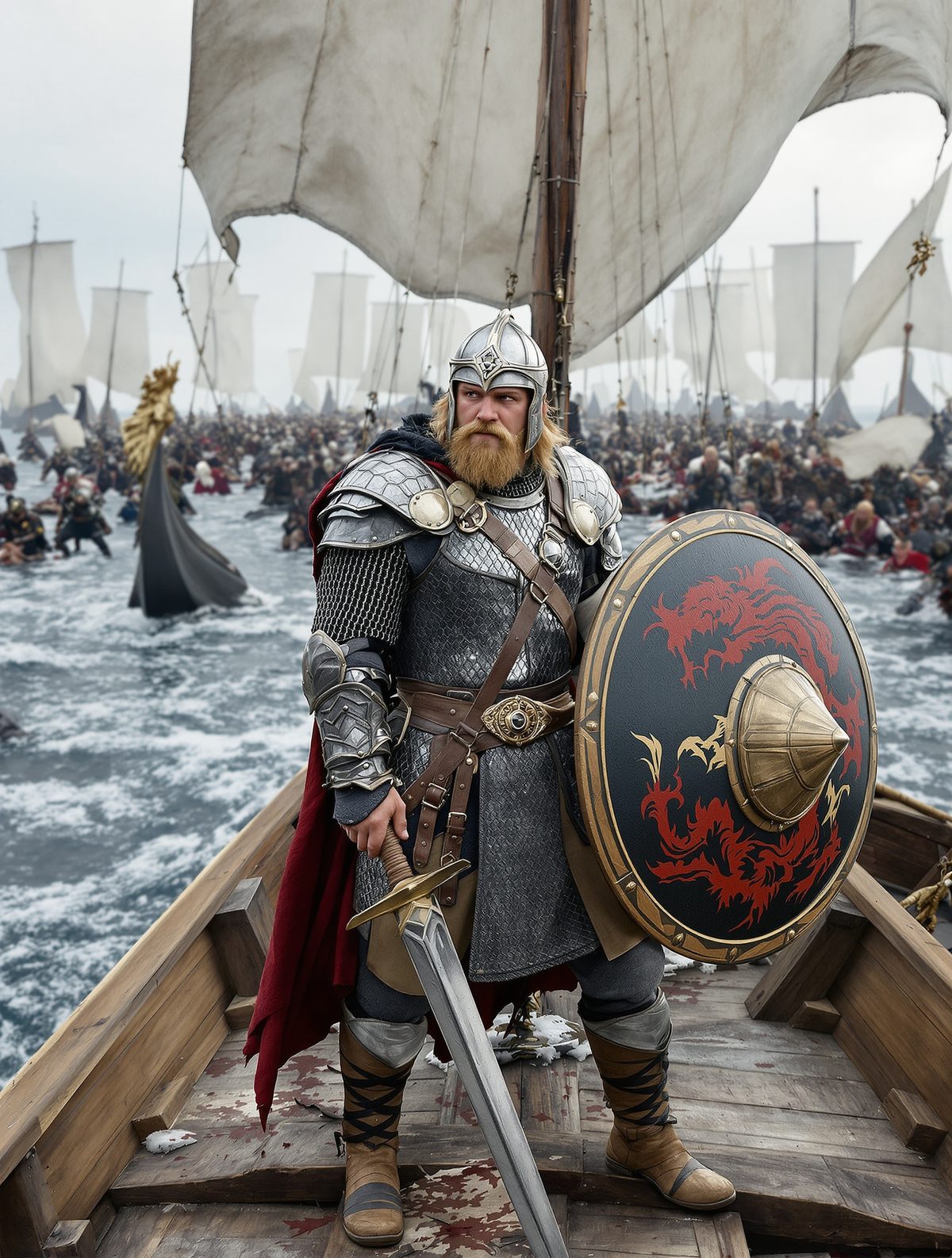
Reginald FitzUrse, Hugh de Morville, William de Tracy, and Richard le Breton were knights intimately familiar with the nuances of court life and the art of interpreting royal desires. They saw in Henry's outburst an opportunity for favor and perhaps fortune. Emboldened, they embarked on a grim ride, crossing the English Channel under cover of night, propelled by a singular determination to fulfill what they perceived as their king's unspoken wish.
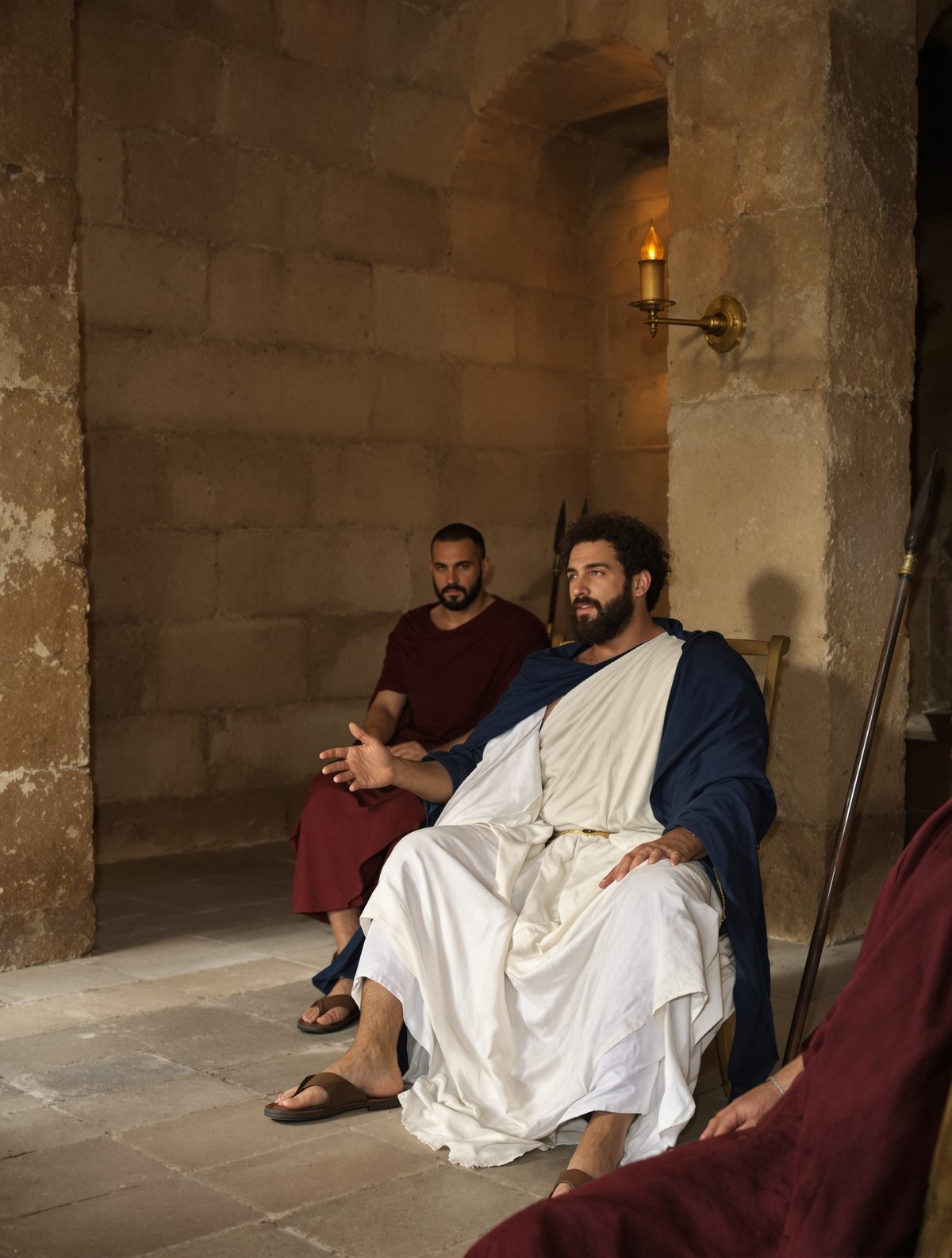
On December 29, they reached Canterbury Cathedral. Becket, forewarned of their arrival, remained resolute. His clerics pleaded with him to seek sanctuary or flee. His refusal was steadfast. "I am ready to die for my Lord, that in my blood the Church may obtain liberty and peace," he declared.
The Martyrdom of Thomas Becket
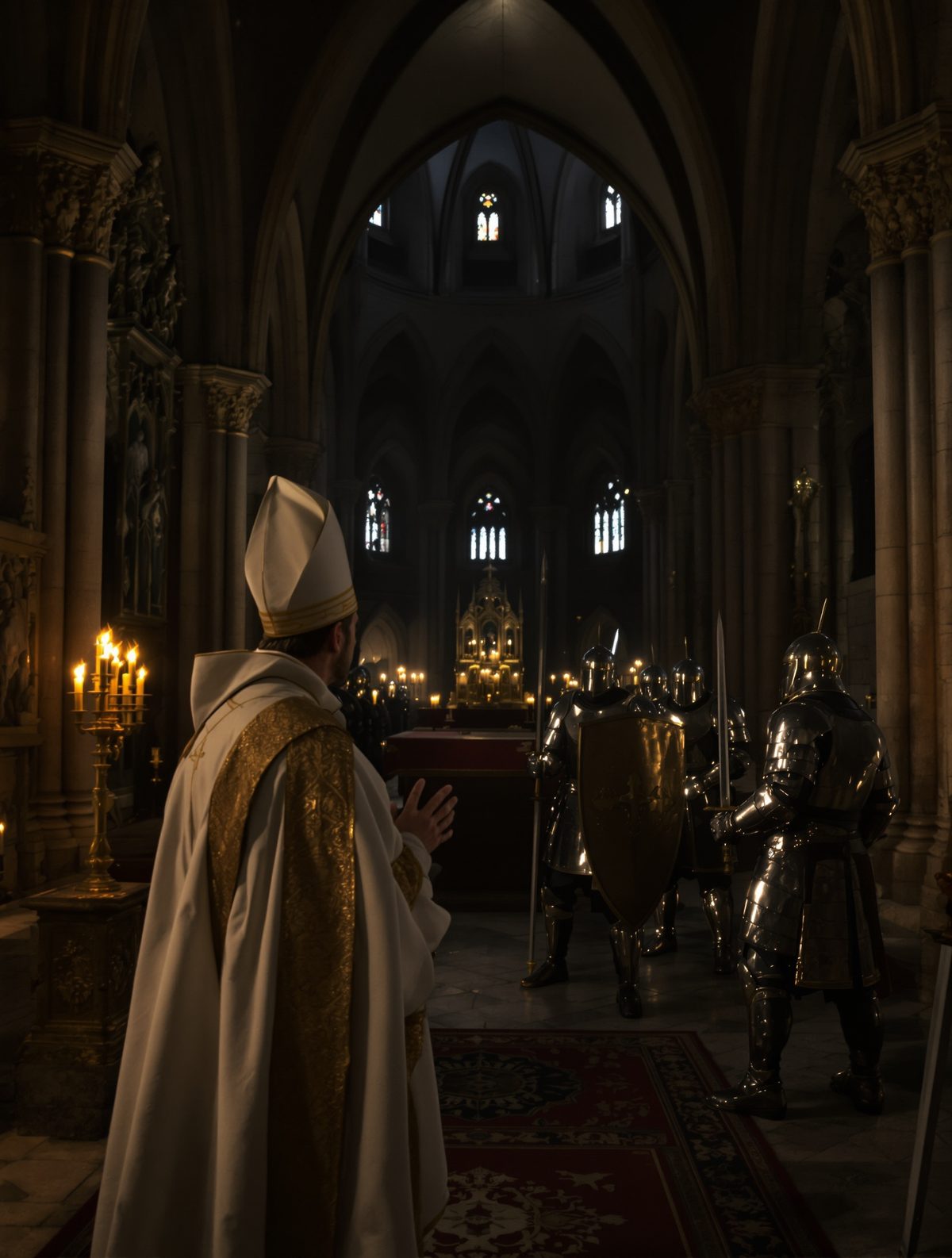
The knights stormed into the cathedral’s ray-filtered darkness, a blinding contrast to the wintery afternoon outside. Their steel echoed ominously in the vaulted aisles. "Where is Thomas Becket, traitor to the king?" they shouted, their words reverberating off the stone walls. The pinnacle clash of king against archbishop unfolded before the stunned eyes of monks and clergy.
Becket, realizing the inevitability of fate, stepped forward from the altar. As the swords were drawn, he did not flinch. The knights demanded his submission; he refused. A heated exchange turned to violence, as FitzUrse struck the first blow, opening a saga of gore and martyrdom. In swift succession, his companions followed suit, each strike more brutal than the last.
When the assault ended, Becket lay dead, his head cleft, his blood soaking into the heart of Christendom. It was both a tragedy and a catalyst — a moment forever etched into history.
Aftermath: Shockwaves Through Time
The fallout was immediate and widespread. Becket’s murder sent shockwaves throughout Europe. King Henry's role — however indirect — was undeniable, casting a shadow over his reign. Public outrage demanded penance, and in 1174, Henry walked barefoot to Canterbury, seeking absolution at Becket’s tomb. The slain archbishop was swiftly canonized as a martyr, his shrine becoming one of medieval Europe's most fervently visited pilgrimage sites.
The repercussions of Becket’s death extended far beyond spiritual reverence. It symbolized the ultimate assertion of ecclesiastical authority over regal mandates. The man who had once been close quarters with a king had, in death, wielded unparalleled influence, shaping the cultural and political landscapes of the times.
The Legacy of Words Unwritten
The murder of Thomas Becket serves as a poignant reminder of the power of words and their potential to incite actions unforeseen. Today, even as the medieval structures of kingship and church have evolved, echoes of such battles between state and faith — power and principle — still resonate. It reminds us of the need for leaders to speak with intention and foresight, for history is often forged in the raw ember of a single moment of anger.
The tale of Becket and Henry II has been immortalized in literature, theater, and lore, teaching us that history’s fiercest battles are often fought not just with swords, but with the heart—where conviction becomes both an ally and adversary.