Imagine standing alone in enemy territory, your shadow stretching over foreign soil, and instead of fleeing or hiding, you turn toward the heart of that territory and offer them your invaluable knowledge. This is exactly what Alcibiades of Athens did.
The Rise and Fall Before the Defection
Alcibiades was not just any Athenian. Born into a noble family in 450 BC, he was surrounded by power and intrigue from a young age. Raised under the guardianship of Pericles, the influential statesman, Alcibiades was groomed in the ways of philosophy and warfare. But fame has its price, and Alcibiades' arrogance and extravagance earned him as many enemies as admirers.
With the backdrop of the Peloponnesian War, a 27-year conflict between Athens and Sparta, Alcibiades emerged as a military prodigy. Charismatic and daring, he formulated strategies that were as audacious as they were successful. The coup de grâce of his career came in 415 BC with the Sicilian Expedition, where he was tasked with conquering the powerful city-state of Syracuse in Sicily.
However, history can take sharp turns. Barely into the campaign, Alcibiades received alarming news — charges of sacrilege and impiety had been levied against him back in Athens. The very city that sent him to prove his prowess now reeled him back to stand trial. Would he return and face potential execution?
A Surprising Turncoat
Deciding not to play a rigged game, Alcibiades executed a daring escape in 415 BC, leaving his fleet behind. Arriving in Sparta, he defied every expectation by approaching his sworn enemies and offering them exactly what they needed to dismantle Athens's power.
Few knew Sparta like he did. He shed light on Athens' vulnerabilities as if presenting a gift — recommending that Sparta fortify Decelea, a strategic location near Athens, which previously had been left unfortified, allowing Athens free passage. His insight crippled Athens economically and morale-wise, trapping the Athenian populace within their walls and drying up essential resources.
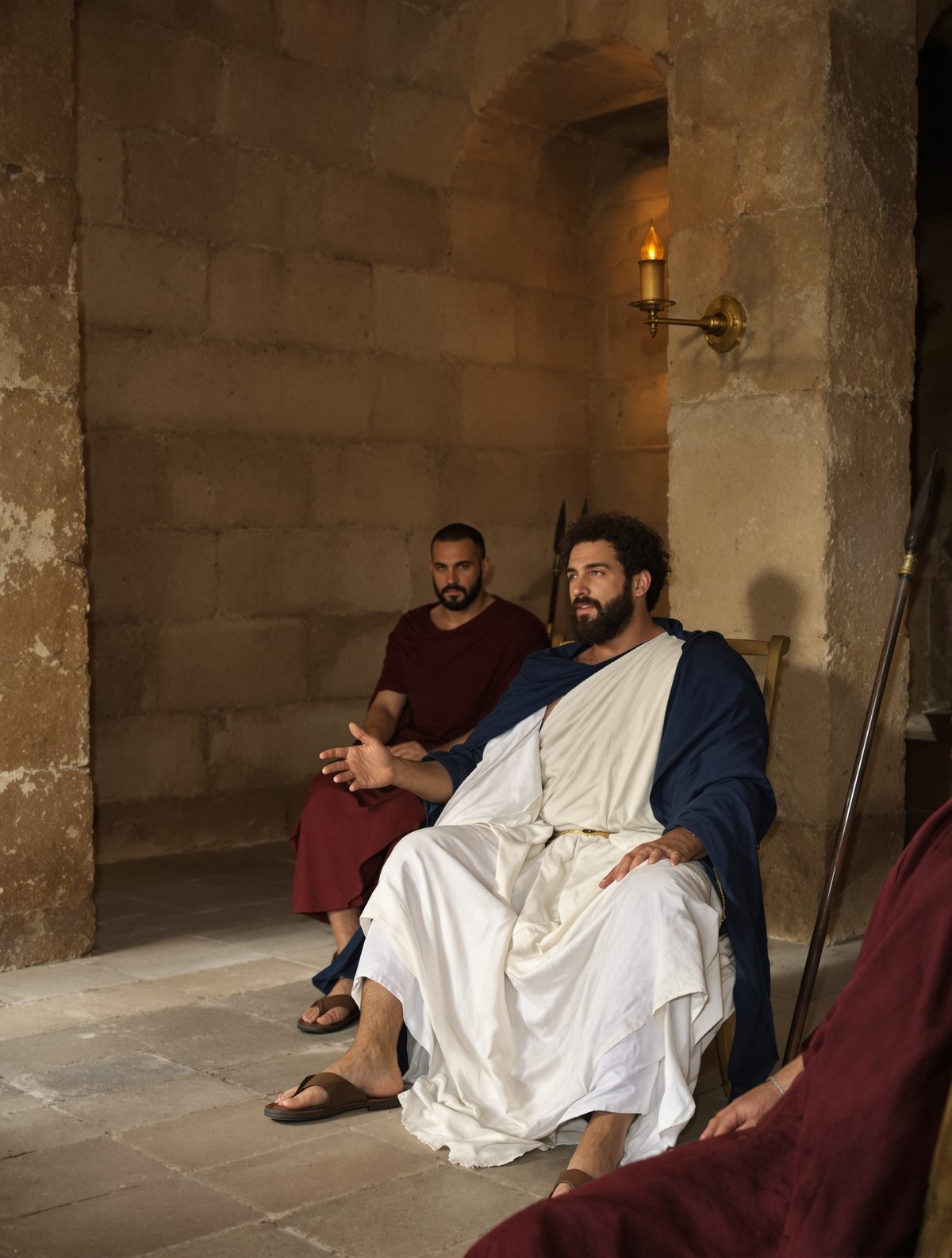
One might think that treason would earn him ire across Greece. Yet, the Spartans, renowned for their austere and cautious demeanor, embraced him as a strategic marvel. Under the protective shadow of Spartan leadership, Alcibiades thrived in what looked like an impenetrable betrayal. His betrayal was not only shocking; it was almost theatrical in its audacity.
Glimpses Behind the Curtains of Betrayal
While his defection is notorious, the events surrounding it are filled with lesser-known intrigues. At Sparta, Alcibiades not only offered strategies but became privy to their personal lives, deeply ingratiating himself. He even reportedly started an affair with Timaea, the wife of King Agis II of Sparta, further entangling his fate with theirs.
This tangled web of relationships highlights the facets of Alcibiades that both empowered and endangered him. He was a maverick, more comfortable swaying allies and rivals alike than toeing any one political line. It is suggested that his audacity knew no boundaries, perhaps powered by a belief that charisma could outmaneuver any consequence.
Even the reliability of his loyalties fluctuated. Though initially seen as indispensable in assisting Sparta, whispers soon carried tales of Spartan suspicion towards Alcibiades. In this world of constant watches and whispers, where alliances changed as swiftly as the wind, Alcibiades began seeking safety elsewhere...
An Unlikely Savior
By 412 BC, tables turned once again as Alcibiades found himself dodging Spartan ascension. Fleeing to Persia, he offered counsel to yet another traditional Athenian foe. It's perplexing how he could manage a seat at another new table while keeping past betrayals at bay, reminiscent of a leaf rebounding in the storm.
His Persian sojourn proved beneficial as he maneuvered behind the scenes, influencing Persian Satraps. His absence from Athenian politics had left a void, an itch, unceasing and the Athenians—laid low by crises without end—sought peace with their charismatic expatriate.
In a stunning reversal of fortune, Alcibiades was invited back, not as an outcast but a savior sworn to redeem the ravaged city. His return witnessed him masterfully navigating naval warfare leading to notable victories against Sparta at Abydos and Cyzicus, restoring some of the Athenian pride he once helped them lose.
A Lasting Lesson from Ancient Greece
Alcibiades' journey was nothing short of a dramatic trilogy packed with risings, ridiculous alliances, and ruin. The complexity of his allegiances, shifting like shadows at dusk, teach a valuable lesson about the confluence of ambition and ethics. Would history have favored his name if he had stayed steadfast rather than sought every open door?
Ultimately, it's a narrative not only about betrayal but about adaptability, underscoring the tumultuous nature of power relations and human ambition. Alcibiades' actions challenge us to ponder the extents and limits of loyalty, an eternal question that reverberates through politics even today.
For readers and historians, the tale of Alcibiades remains a compelling reminder of the unpredictable human spirit and how, when intertwined with circumstances, it reshuffles the destinies of empires and individuals alike. Ancient Greece set one stage, but history has many such theaters awaiting figures of both immense prowess and pyrrhic downfall.