The Dragon and the Phoenix
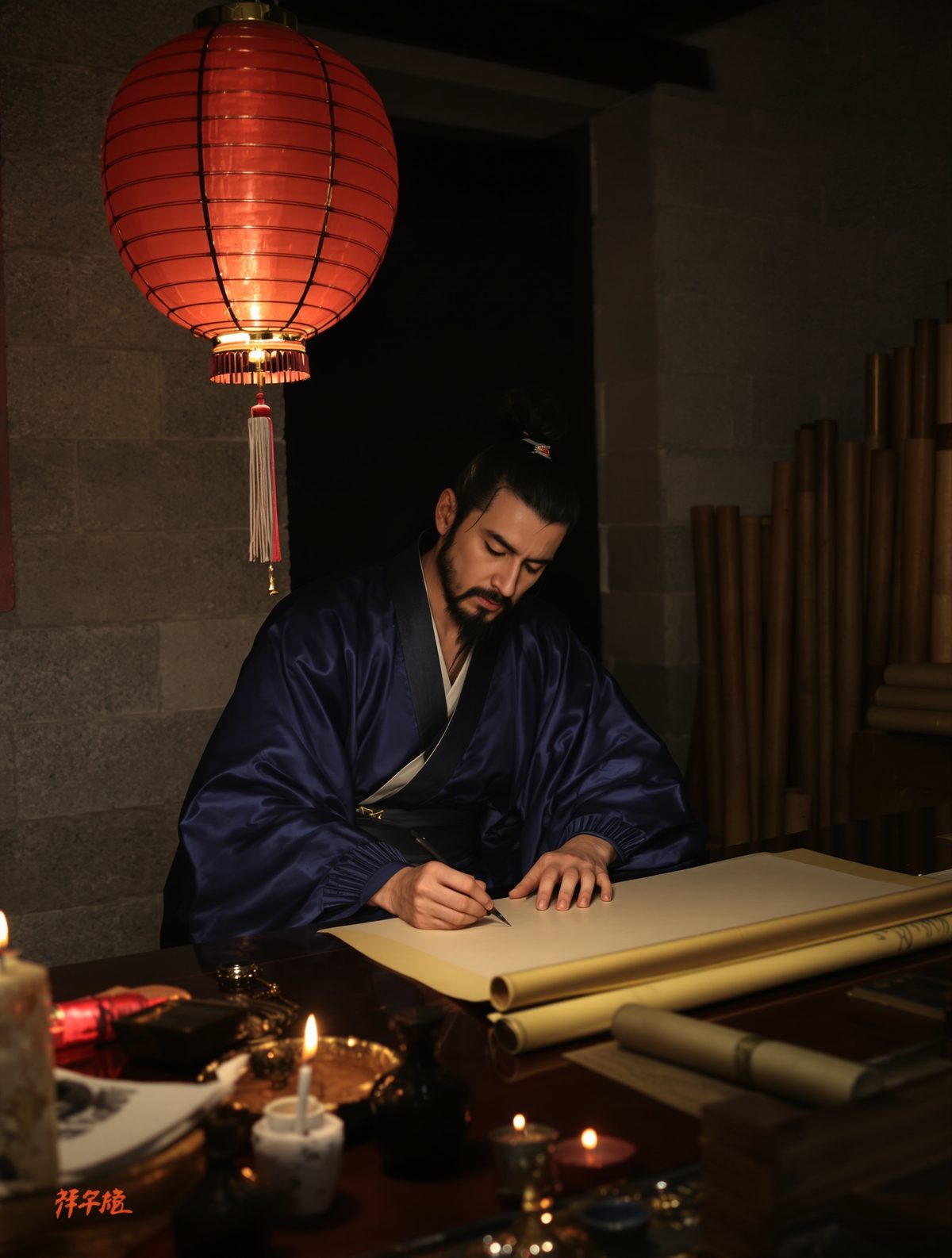
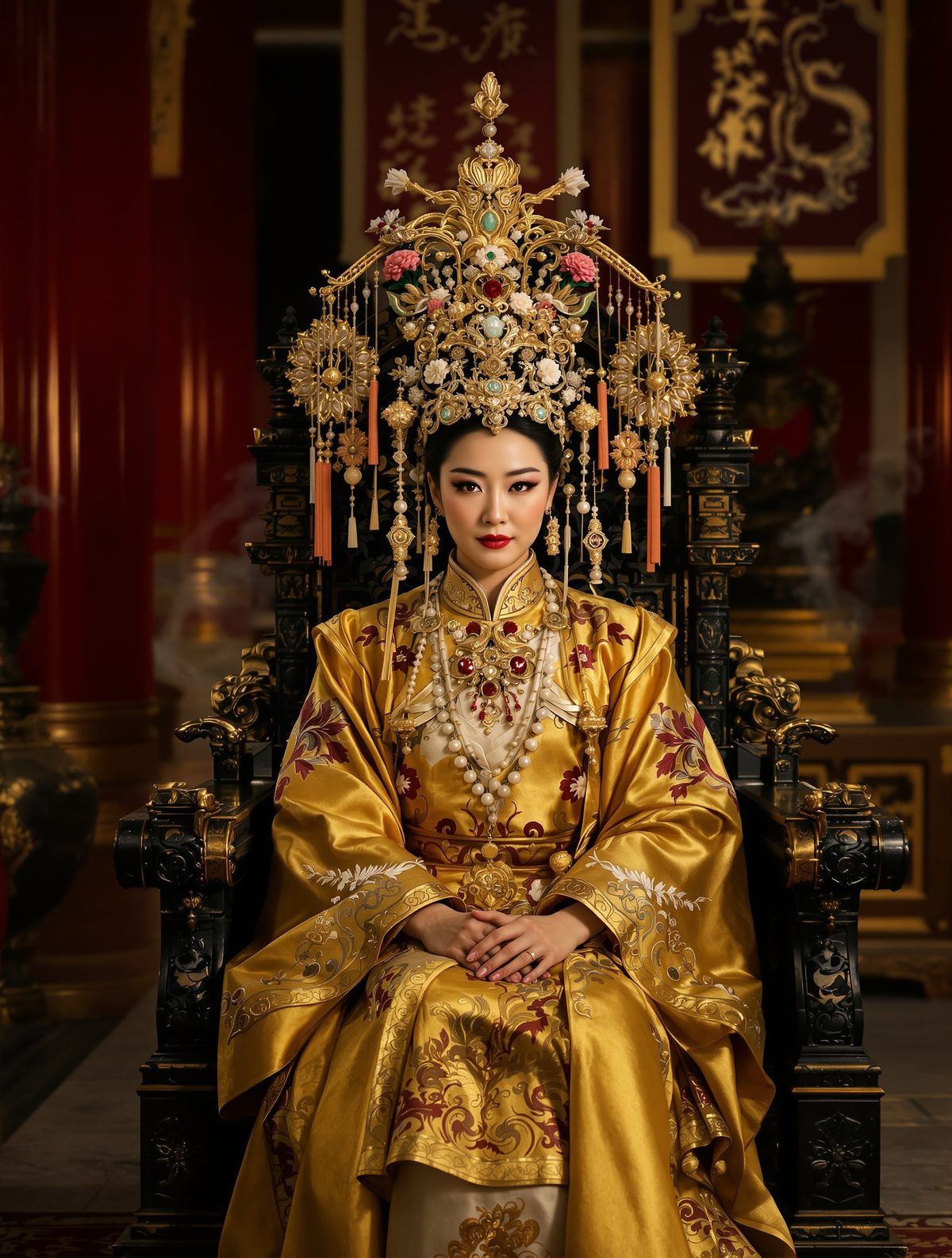
At the dawn of a summer’s day in 1898, the streets of Beijing bustled under a pale yellow sky as anticipation hung in the air. Within the high walls of the Forbidden City, a historic transformation was unfolding. The 26-year-old Guangxu Emperor, brimming with youthful zeal, prepared to unveil unprecedented reforms aimed at wrenching the ailing Qing Dynasty into the modern era. Yet, as the golden rays broke over the imperial roofs, another formidable force moved from the shadows with an agenda entirely of her own. Her name was Empress Dowager Cixi, and within a hundred days, she would reshape the fate of China, thawing and tempering visions of modernity with an iron grip over tradition.
The Hundred Days of Reform
By the time June summoned the humid Beijing heat, Emperor Guangxu had embarked on an audacious venture. The “Hundred Days of Reform,” as it would be known, promised a radical overhaul of China’s antiquated institutions. Education was to be modernized, eliminating centuries-old Confucian exams in favor of Western sciences. Traditional military strategies were to be revamped with contemporary tactics and weaponry. Legal systems, trade laws, and bureaucracy all faced transformative innovation. China, dormant for too long, needed to awaken — swiftly.
Yet, decked amidst French cameras and British advisors was an imperial court steeped in traditions as ancient as the city itself. Among them, Cixi, the Empress Dowager, who had sequestered away in quiet observation, her influence felt but shrouded in mystique. That mystique was about to become forceful action.
Shadow Behind the Throne
For Cixi, reform posed a dangerous gamble. Her reign, following her son’s and husband’s deaths, had seen China maintaining a cautious resistance against foreign powers grasping hungrily at her doors. Under Cixi’s astute guidance, the court navigated treaties and turmoil post the Opium Wars, preserving sovereignty albeit shakily. But now, her sovereign charge, the emperor, teetered on relinquishing too much, too fast.
As whispers of treacherous plots swept through the parasol-lined corridors of the Forbidden City, Cixi realized decisive action was needed. In September, as the golden leaves rustled restlessly against the magnolia trees, she struck. Using emergency powers, the Empress Dowager dissolved the reform campaign, placed Guangxu under restrictive house arrest in Yingtai, an island palace within the city’s lakes, and resumed the regency she had nominally relinquished.
A Return to Power
Within mere days, Cixi restored a semblance of equilibrium over the chaotic momentum the emperor’s reforms had unleashed. The court with its eunuchs and scholars breathed a collective sigh of relieved continuity. But beneath the serene surface, discontent simmered. Modern-day historians reflect that Cixi’s actions were not those of mere reactionary resistance but rather a calculated maneuver against losing cultural identity amidst modernizing pressures.
Indeed, during her rule from behind the screens, Cixi demonstrated surprising progressive inclinations herself. Although she pulled back from rapid Westernization, she did not entirely shut out innovation. Telegraph lines and railways paved roads into China, and even the foundation of naval arsenals advanced under her watch—albeit measured and on her terms.
The Enigmatic Empress
The gripping tales of the Empress Dowager abound less in the history textbooks of the West but more in whispered anecdotes of her enigmatic rule. She was as much myth as monarch. Despite court tales of cruel oppression, she valued preservation over brash progress, skillfully balancing the exigencies of tradition and modernity in her twilight years. When legations and powers knocked on China’s heavily partitioned door, Cixi artfully turned them away without allowing them to dismantle the threshold entirely.
Most intriguing, perhaps, is her legacy after the tumultuous Boxer Rebellion of 1900. Fending off an international coalition, her strategies navigated restorative treaties while reinforcing China’s sovereignty, albeit weakened. When at last, the Empress Dowager relinquished the mortal coil in 1908, China too edged closer towards the revolution that would stem years later. Her intentions, opaque and intricate, carved paths for China that only time could fully reveal.
The Legacy of Decisions Deferred
As twilight closes on Cixi’s remarkable life, what remains is an illustrious narrative of balance—an intricate dance of preservation and transformation. For modern-day China and indeed the world, Cixi’s decisions underscore a vital lesson: wisdom often rests in knowing when to yield to tides of change and when to anchor deeply to one’s roots.
Today, in a world more interconnected than the Empress Dowager could have conceived, China stands as a testament to both tradition and innovation. From the sweeping skyscrapers of Shanghai to the timeless elegance of the Great Wall, Cixi’s story reveals how the most profound shapes of progress can be those drawn from historical context, reminiscent of a time when one steadfast woman dared to shape her word as none had before.
It’s a tale less told—a vivid example of leadership wrought not just by decrees but by nuance and strategy, by a woman who adventured not with the decisiveness of steel but the resilience of silk, whose legacy lingers in the heart of China, ever poised between past and future, amidst her own eternal reforms.