Most eighteen-year-olds worry about exams or romance. In January 1944, Adolfo Kaminsky worried about saving 300 children from certain death.
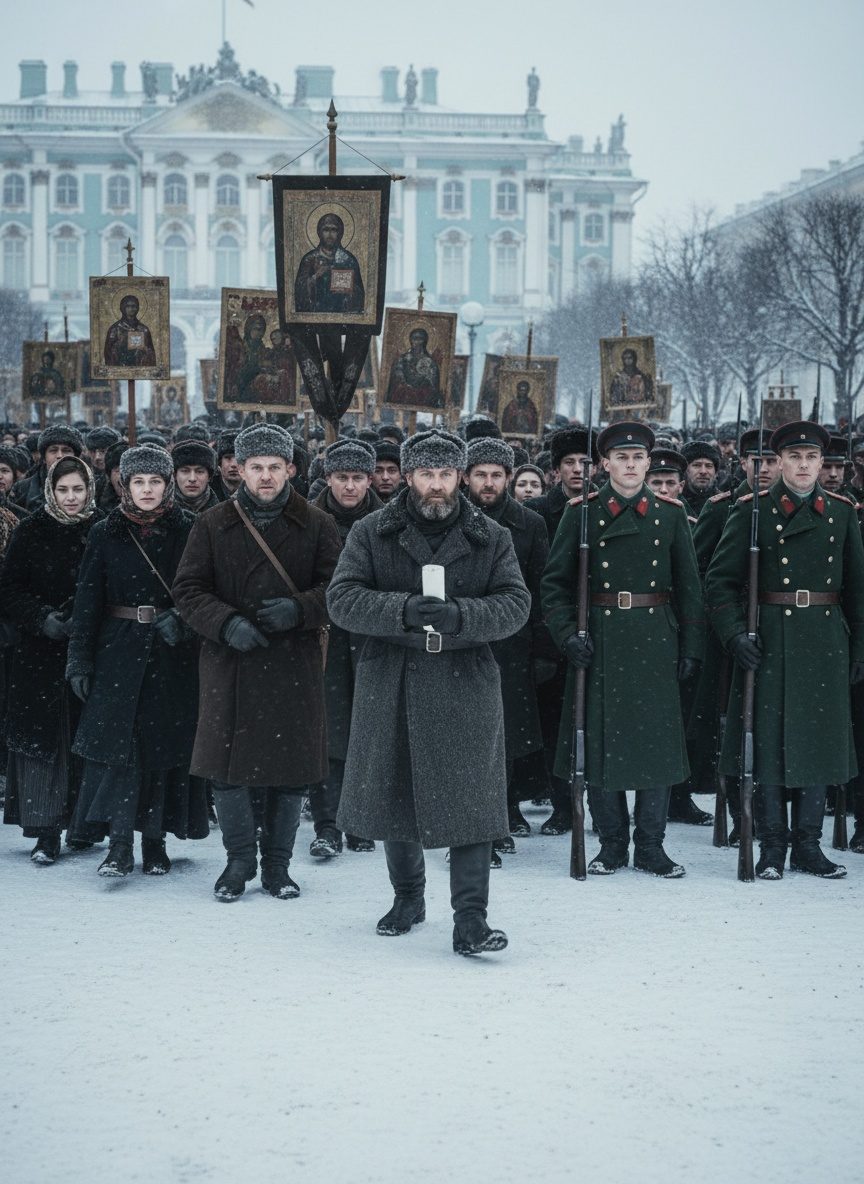
Paris was under the heavy, stifling blanket of Nazi occupation. The city sounded different, each hushed conversation flavored with suspicion, every corner potentially hiding danger. But beneath this oppressive silence, the Resistance sewed its own threads of defiance. Amid their acts of valor was a race against time that even the boldest might balk at—creating 900 forged documents to convert captives into phantoms overnight. At the center of this desperate mission was Adolfo Kaminsky. The task was monumental: to churn out new identities three times over per child. Names, birth certificates, ration cards. Each falsehood crafted painstakingly, each detail a life-preserving truth in disguise.
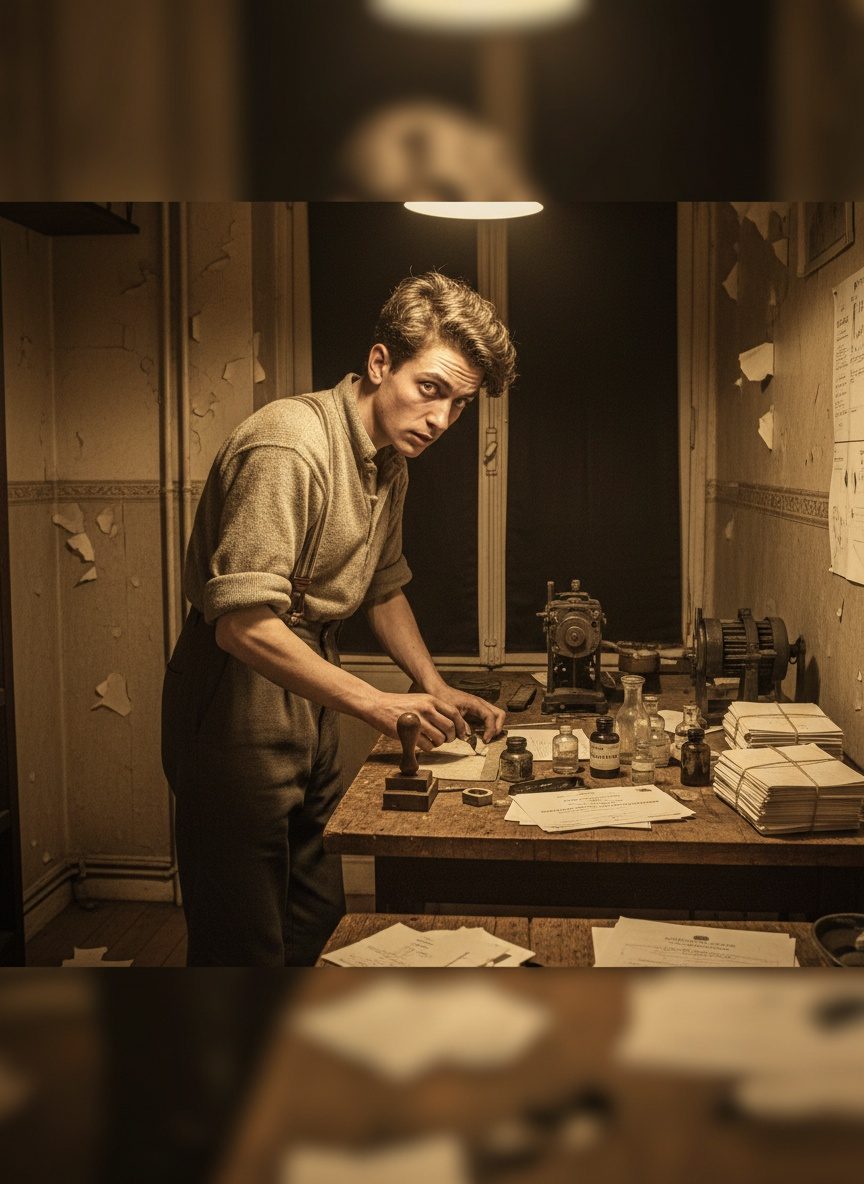
Adolfo's hands were steady and quick, every movement precise and practiced. Before Paris was caught in the turmoil of war, those hands had known the sincerer task of dyeing and textiles, following the family's trade post-emigration from Argentina. The forger’s impulse grew out of necessity, birthed from a keen intellect combined with life’s cruel impositions. Fear was merely a passenger in the voyage of will and skill. Every stroke of the pen, every alignment of a signature, was a link binding him to children he may never meet, yet whose lives hung by the thinnest of threads that he wove.
The Resistance had its own shadowed heroes, but Kaminsky possessed rare craftmanship bound to an iron will, fervidly fueled by a desire to outwit the Gestapo at its own perverse game. He sat in a sealed room—his reclusion both protection and prison as axes descended across occupied Europe. The atmosphere was punctuated by the relentless ticking of desperation. For these children, disappearance was their only hope. Adolfo, knowing that every hour counted, understood that each document represented not just an escape but a breath and heartbeat; a chance to laugh, to smile—simply, to live.
There was no room for error. Despite fatigue gripping at his eyes and fingers, he harnessed it, transforming weariness into fierce dedication. Three days without sleep was not an option; it was a proclamation, a refusal to submit while life was still on the balance of his ink-laden scales. Kaminsky calculated the arithmetic of salvation—thirty hours could forge the needed papers. There was an acute awareness of time, where minutes traded for lives and every passing second could doom another soul.
The valor of others accompanied his journey. A network of quiet allies operated as couriers and guides. They too occupied spaces in the tapestry of resistance, intimate with its joys and terrors. Mothers pretended not to recognize the faces of their own kin on hurriedly produced papers, and neighbors became strangers in borrowed homes, all for a greater hope. Adolfo’s task was but one cog, but crucial—spinning relentlessly against the war’s harrowing machinery.
In those tense hours, Adolfo crafted identities with a precision that belied his age. Each stroke was a silent protest, each name a defiance. The ink itself was a shield, the affidavits a lifeline. He bore his fatigue like a cape, absorbed in the transcendent act of creation against destruction. His youthful visage hid the wisdom of a soul acquainted intimately with peril. He was rooted not in ideals of grandeur but in the everyday action of preserving life.
The rescue operation grew a heartbeat of its own. The corridors of uncertainty were navigated with resolute clarity by Kaminsky and his cohorts. As each paper passed hands, it was as though Adolfo breathed life into parchments, annulling histories to rewrite futures. Here was not just survival, but a triumph of ingenuity over tyranny, where the mere presence of paper could unchain the shackled destinies from one path to another.
When the final document was forged, and the ink dried under the weight of impending raids, the children’s lives were smuggled through hands, beneath eyes wary and unseeing, into liberation. Kaminsky emerged not into applause but silence, the quiet resonance of a battle fought and won, privately. Exhaustion tasted different—this was dedication sapped raw and bare, a work born of love and loss.
In reflecting upon those perilous days in Paris, we uncover not just a story of courage but a testament—ordinary people enacting extraordinary deeds. Kaminsky’s indelible mark in the annals of unsung heroes compels us to redefine the borders of valor. The story of those forged papers is one of transformation—the alchemy of desperation into deliverance. What are the lengths one might cross for a life untried, for children with no trial in their innocence but the lineage they were born under?
Kaminsky showed that sometimes, the most potent weapon isn't a gun or explosive, but the quiet revolution of endurance and resolve—a humble pen, the unassuming ink of resistance. His story whispers through time, challenging one to ponder what threads of fate bind us across history’s tapestry. As we step back to regard his legacy, we are called to listen: to learn, to protect, to act—because every moment might be that critical pivot toward life. Understanding his tale stretches into the fabric of our humanity, reminding us how powerful the will of one determined to save the many can be. Adolfo Kaminsky's saga isn't just an episode of survival, it’s an enduring beacon of hope.