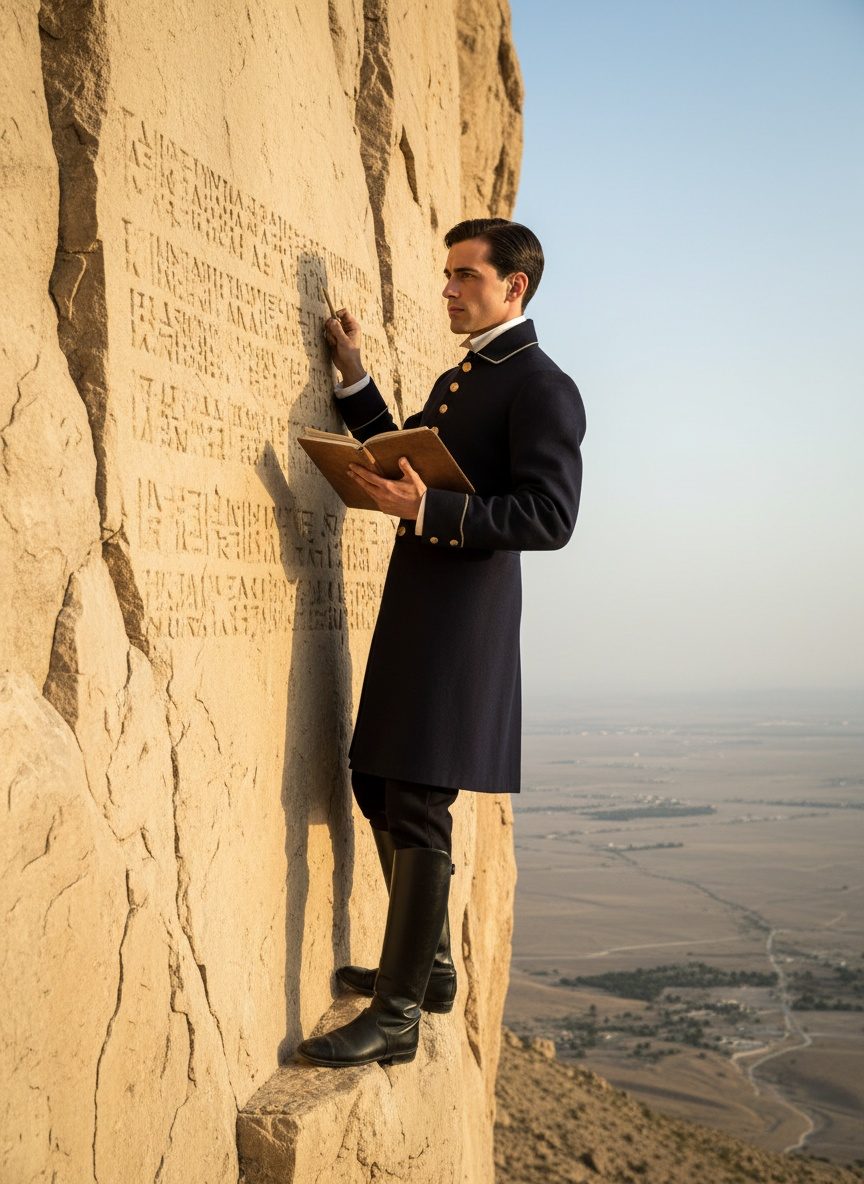
June 27, 1855. Dust rose in small clouds beneath the hooves of exhausted horses.
The Meeting That Shaped the Journey
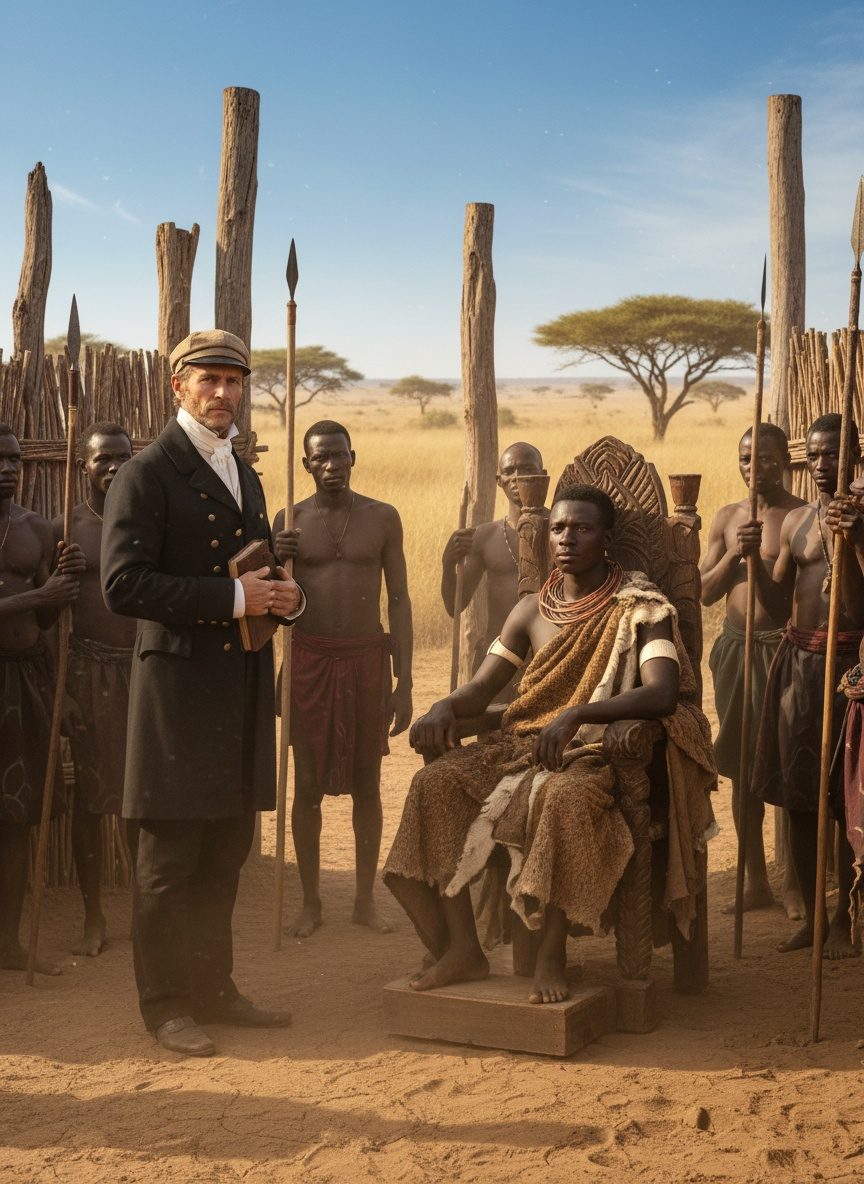
In the heart of what is today Zambia, a historical encounter unfolded that would alter the course of British exploration in Africa. On this day, the mingling sounds of preparation and anticipation echoed through the air as David Livingstone, the renowned British explorer, approached the court of King Sekeletu of the Makololo people. Sekeletu, a strategic and charismatic leader, stood at the helm of a proud nation, his influence extending across vast stretches of central Africa. The meeting between these two men, though perhaps diminished in Western accounts, was a pivotal chapter in the grand saga of exploration and colonial intrusion.
Livingstone was on the cusp of etching his name into the annals of history by revealing the majestic Victoria Falls to the Western world. However, what history often glosses over, is that without the support of King Sekeletu, Livingstone’s journey might have met an entirely different fate. To navigate the complexities of uncharted territories, Livingstone needed not just physical resources but also protection and goodwill from local rulers. Sekeletu, recognizing the mutual benefits of assisting the celebrated explorer, agreed to provide him with invaluable resources—two hundred men, canoes, and a promise of safe passage.
King Sekeletu: A Visionary African Leader
King Sekeletu ascended to the throne amidst a period of change and possibility. The Makololo, skilled in diplomacy and warfare, had expanded their influence through strategic alliances and territorial conquests. Under Sekeletu's rule, the kingdom was poised at an interesting crossroads—a blend of traditional ways and burgeoning new opportunities as contact with European traders and explorers increased. Sekeletu, wise beyond his years, recognized that collaboration with Livingstone could bolster Makololo influence and strengthen their strategic position.
Sekeletu’s court was an intricate blend of indigenous sovereignty and the influence of foreign trade. The echoes of negotiations, festivities, and daily life were interspersed with the intrigue of new possibilities. It is said that Sekeletu was not just a leader by virtue of birthright but by his ability to foresee the potential advantages of engaging with Europeans, while carefully guarding the autonomy of his people. His court became a focal point of multicultural interaction—an early testament to the global exchanges that would define later centuries.
Canoes Loaded, Spirits High: The Gift of Safe Passage
As the sun rose higher, casting long shadows across the landscape, Livingstone’s entourage, bolstered by Sekeletu’s men, began their arduous journey. The canoes, expertly navigated by Makololo guides, cut through the waters with a mesmerizing rhythm. The endless landscape unraveled before them, a tapestry of rivers, dense forest, and diverse wildlife. Such a journey was not merely physical; it was symbolic of human curiosity and the bridging of worlds—European and African—through mutual benefit.
The Makololo warriors guiding the expedition were more than mere assistants; they were custodians of knowledge—experts in terrain and survival skills essential for the journey’s success. As they paddled downriver, they taught Livingstone and his men about the flora and fauna, the lifelines of the Zambezi River, and the traditions and lore of the lands they crossed. Sekeletu’s support was not just strategic; it was a profound endorsement of cultural exchange at a time when such interactions were rare and fraught with misunderstanding.
Beyond the Falls: Changing Perceptions
Victoria Falls—known locally as Mosi-oa-Tunya, or "The Smoke That Thunders"—was not just a geographical marvel but a powerful emblem of Africa’s natural sovereignty. When Livingstone finally laid eyes on the falls in November 1855, he became the first European to document its splendor, though it was already a sacred and mythologized landmark for the indigenous tribes.
Livingstone’s journey, elevated by Sekeletu’s foresight and generosity, marked a significant turning point not only in the history of exploration but also in the ever-evolving panorama of African-European relations. While Livingstone is celebrated for his discoveries, Sekeletu’s role illustrates the often-overlooked agency and insight of African leaders in the era of exploration. Their collaboration symbolized a fleeting moment of partnership that might have lit a different path had the tides of history spun otherwise.
The Overlooked Legacy: Revisiting a Forgotten Alliance
As history continues to be examined and re-examined, the story of King Sekeletu and David Livingstone offers a critical reflection on the narratives we choose to exalt. The Western world remembers Livingstone for his courage and perseverance, yet his accomplishments were, in large part, made possible by an African king’s calculated decision to engage rather than dismiss—or worse, resist—the intrusion of the foreign explorer.
The roads not taken during this crossroads of cultures and ambitions whisper of alliances that could have changed the course of history. By reassessing these overlooked chapters, we gain a fuller understanding of the multifaceted dynamics that truly shaped Africa’s encounters with the Western world. In the story of Sekeletu and Livingstone, we find a lesson not just of adventurous discovery but of the nuanced dance between collaboration and conquest. As we look deeper, the question arises: what stories still lie hidden, waiting to be uncovered and to enrich our understanding of the intersecting tapestries of human history?