Most people have never heard of Fahreddin Pasha. They should have.
The Lion of the Desert
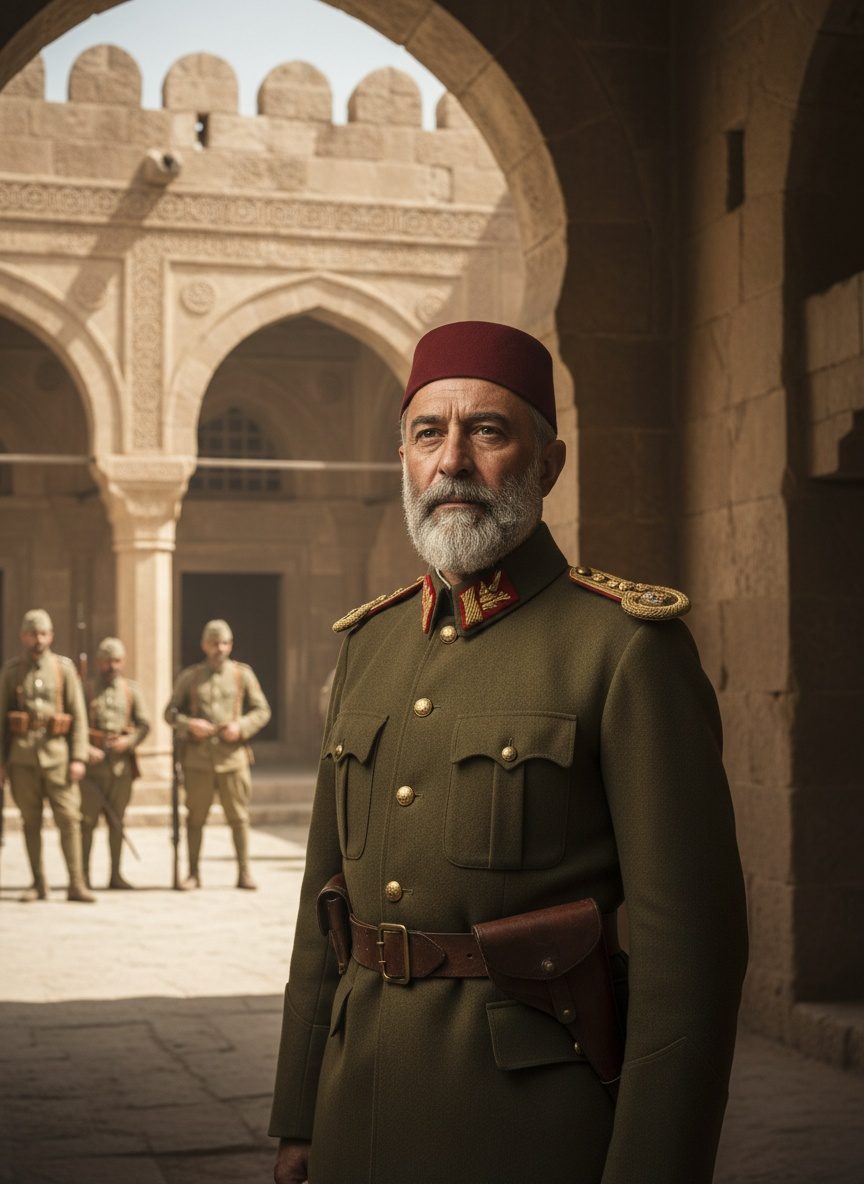
In the desolate sands of Arabia during World War I, an improbable tale unfolded which defied the fates of the faltering Ottoman Empire. It was the year 1918, and the empire had seen its various fronts collapse under relentless pressure. Most of its garrisons had surrendered, their soldiers weary and demoralized by decades of warfare. But there was one exception — a sun-baked jewel in the heart of the desert — the holy city of Medina. At its heart was a man known as the "Lion of the Desert," Fahreddin Pasha.
Fahreddin Pasha had a fierce reputation and an unyielding resolve. His mission was not only military but spiritual. To him, the idea of surrendering the last remnants of Ottoman control over the sacred city was unthinkable. His devotion to preserving the sanctity of Medina was matched only by his resourcefulness in its defense. Despite being vastly outnumbered and cut off from reinforcements or supplies, he orchestrated a defense that persisted against all odds.
The echoes of the past — the call of the muezzin resonating through the arched streets, the heat shimmering off the desert dunes — provided a solemn backdrop to Fahreddin's unwavering stance. The frontline was not only a physical one but a battle to maintain the dignity of the city that was believed to be under divine protection.
The Siege of Medina
The siege that ensued was severe beyond imagination. Stretching over two and a half years, it tested not only the endurance of Fahreddin and his men but the very limits of human will itself. Supplies dwindled rapidly. Food and water became scarce commodities, shared sparingly among the soldiers and civilians within the city walls. Hunger gnawed at their strength, yet surrender was a word neither Fahreddin nor his men were ready to embrace.
His enemies, however, were neither faceless nor nameless. The opposing forces, comprising Arab Nationalist troops augmented by British support, were eager to secure Medina. The fall of the city would be a moral and strategic victory. Yet Fahreddin's defiance turned the siege into a prolonged standoff. The holy city, nestled like an oasis amid its fortifications, remained a thorn in the side of Allied ambitions in the Middle East.
It was a testament to Fahreddin's leadership that despite lack of sustenance and reinforcements, Medina remained in Ottoman hands long after the rest of the empire had capitulated. This stubborn holding of the line brought both admiration and frustration from foes and friends alike.
Compassion Amidst Conflict
Amidst such hardship, a curious and humbling chapter emerged. The sands shifted, and once-proud attackers found themselves wounded and faltering before the gates they had besieged. In a poignant turn, Fahreddin's men, facing deprivation themselves, chose humanity over hostility. They gathered what little resources they had and fed their enemies. In a world ravaged by war, such acts of compassion were as rare as they were remarkable.
This act was more than an extension of charity; it was a reflection of Fahreddin's principles. His decisions were anchored in a belief that one's actions in the worst of times defined their true character. While fighting a war against incredible odds, he chose to recognize the fragments of shared humanity that lay beneath the uniforms of those he opposed.
We might imagine the scene—enemy soldiers, once intent on conquest, now accepting the humble offerings from those they sought to vanquish. It was a moment that transcended the carnage of conflict, a brief but powerful example of mercy that laid bare the complexities of human spirit under duress.
The Reluctant Relinquishment
As the siege dragged on, international dynamics shifted, and the daunting reality of maintaining the city's defense became untenable. Word reached Fahreddin of the Sultan's decree to surrender Medina. For Fahreddin, a man of duty and devotion, the command was both expected and profoundly painful. He was to relinquish the city he had pledged himself to protect, not to victors, but to the inexorable flow of history.
On a day cloaked in somber significance, Fahreddin finally laid down his arms. There was no ignoble retreat, no disgraceful flight. Instead, he wept, for the city that had withstood the worst of man's violence would pass from his guardianship. And in those tears lay an act of reverence for what Medina symbolized: timeless endurance amidst relentless change.
In the annals of history, the tale of Fahreddin Pasha resonates far beyond the military maneuvers and the monumental sieges of World War I. It serves as a poignant reminder of the deep intertwining of faith, honor, and compassion amid the savagery of war. Fahreddin's legacy captures the essence of humanity's capacity for grace when circumstances are at their most dire. This is why his story, though obscured by the passage of time, continues to speak to the heart of what it means to protect and preserve belief, even in the face of overwhelming adversity.