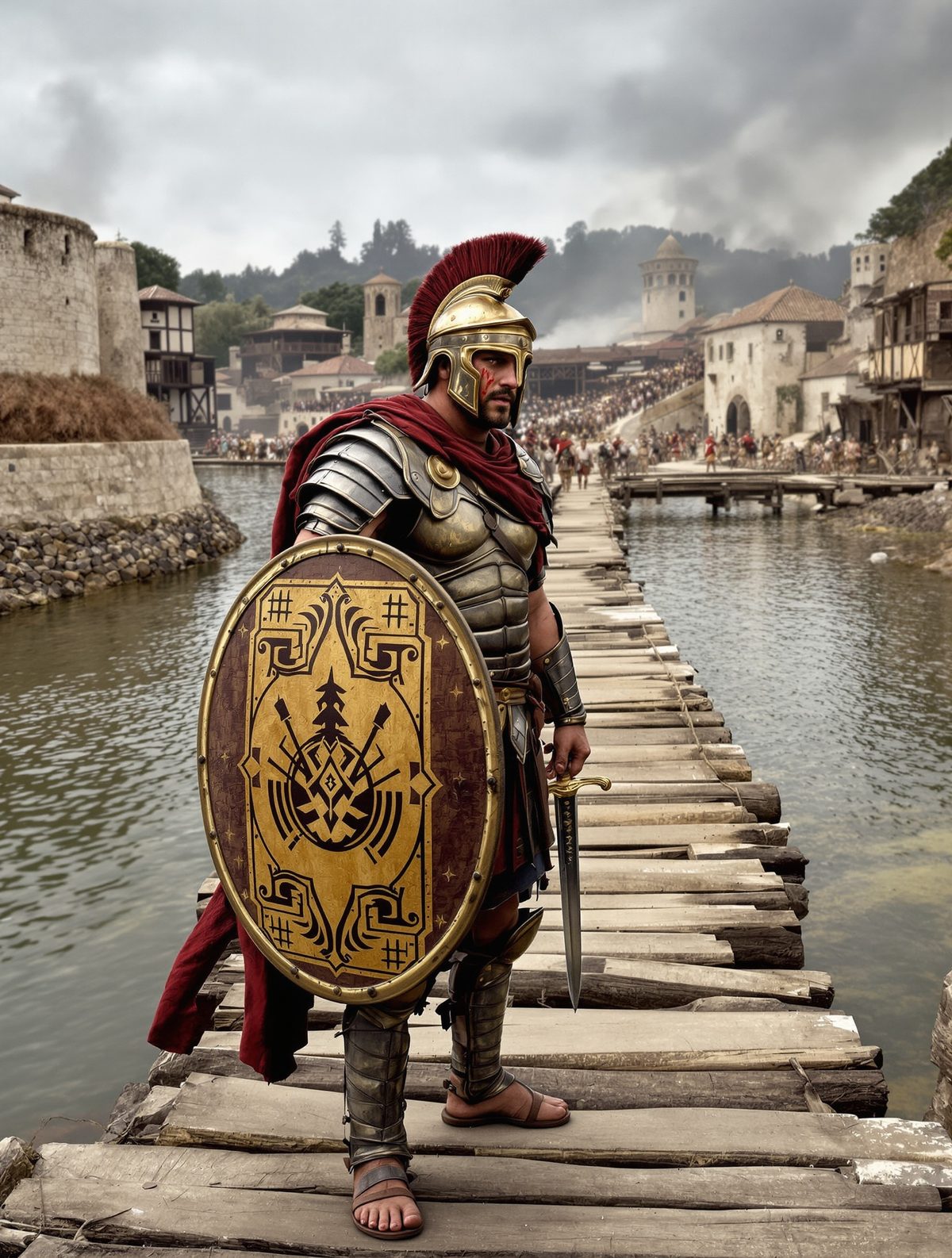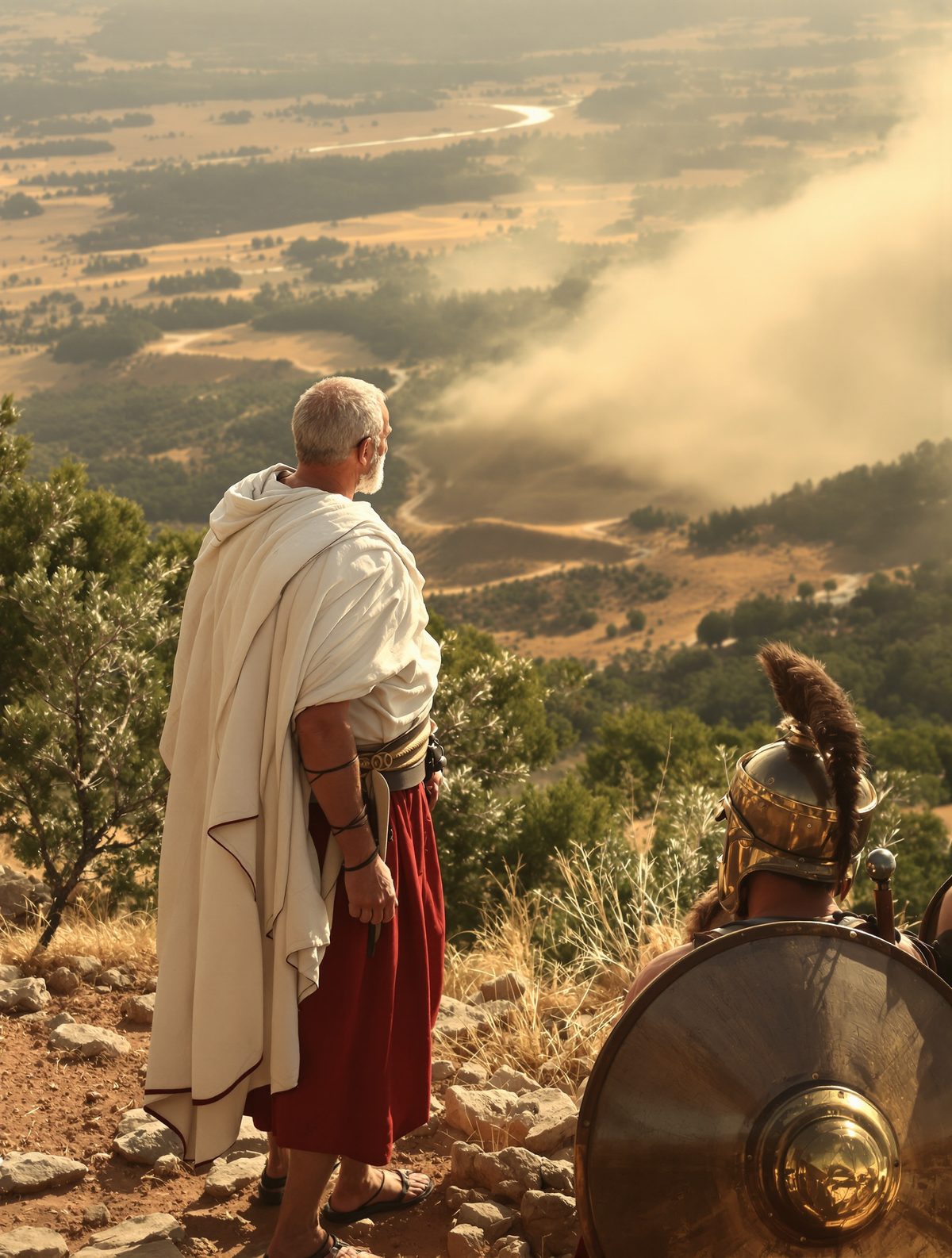
Picture a hillside in Italy, bathed in the golden glow of late afternoon sun. It's 216 BC, and a battle between two of history's mightiest forces is about to rage. The ground beneath you is fertile, not just for grapevines and olive trees, but for the seeds of conflict. On one side stands Hannibal Barca, the fiery Carthaginian general with his fierce army that marched elephants over the Alps, leaving the Romans quaking in their togas. On the other side, Rome is burning with shame and anger, its legions desperate to redeem their battered pride. This epic showdown is set for Cannae, a name that would become synonymous with disaster for Rome. But before this bloodbath unfolded, there was Fabius Maximus, the senator with the heart of a strategist and a plan as steady as the mountains — a plan that would save Rome.
The Shadow of Hannibal
Hannibal's march into Italy in 218 BC was nothing short of audacious. With an army that swelled to 50,000 men, he crossed the treacherous Alps, a feat so daring it bordered on myth. As he descended into the Italian peninsula, he brought not just his soldiers, but a resolve that unnerved the Romans. In swift succession, he crushed the Roman forces at the battles of Trebia and Lake Trasimene. Rome was reeling, gripped by fear. Then came Quintus Fabius Maximus Verrucosus, appointed dictator, and tasked with stemming the tide.
Fabius understood something others did not: charging headlong into battle against Hannibal was suicide. While the Roman senators clamored for blood, duped into thinking valor equated to victory, Fabius had a different vision. His approach was simple in concept, radical in practice. Rather than engage, Fabius would shadow Hannibal, avoiding direct confrontation. This strategy would become known as the *Fabian Strategy.* Rome called him a coward, but his refusal to rush into battle was, in fact, a profound dedication to preserving the Republic's future.
Mocked as the Delayer
This unconventional warfare earned Fabius the mocking moniker "Cunctator," the Delayer. Roman citizens, brought up to admire the glory of a battlefield charge, saw him as an affront to their ideals. Fabius’ tactics consisted of harassment rather than engagement. He used small skirmishes to weaken Hannibal's resources and morale while ensuring his own forces remained intact.
In one incident of notable cunning, Fabius trapped Hannibal’s troops in a narrow valley near Campania. It seemed the moment for decisive action had arrived. But rather than gamble Rome’s future on one climactic battle, Fabius opted to burn crops and deny Hannibal resources. This patience preserved Roman strength while exposing the Carthaginian forces to the elements and hunger.
Remarkably, it was these very tactics that kept Rome alive. Yet, eager for a quick decisive blow, the Roman Senate, underestimating Fabius’s strategy, stripped him of his command. They were ready to take the fight back to Hannibal, convinced their approach would overpower Barca’s battalions. But Fabius understood the true game of war was played over years, not fleeting moments.
The Disaster at Cannae
When Fabius’s successors, Lucius Aemilius Paullus and Gaius Terentius Varro, led the Roman legions into battle at Cannae on August 2, 216 BC, they delivered Rome's bid for valor. They were not to be restrained by Fabian constraint. With 86,000 Roman soldiers facing Hannibal’s 50,000, it seemed a foregone conclusion—a mammoth Roman victory.
Instead, the open plains of Cannae bore witness to a brutal slaughter. Hannibal orchestrated a masterful double envelopment, a tactical move that remains synonymous with military genius. The Carthaginian forces encircled and decimated the Roman army, slaughtering an estimated 70,000 men. It was the darkest day in Roman military history. The bright red of Roman capes mingled with the soil as the spirit of the Republic lay bleeding.
Those who survived fled, carrying tales of horror back to Rome. The very senators who had mocked Fabius now reconsidered his methodical prudence. Known as one of the most brilliant commanders never to lose a battle, Hannibal continued to wreak havoc, but without the immediate knockout blow Carthage had hoped for. Rome, albeit staggeringly bloodied, endured.
The Fabian Legacy
As Rome regrouped, it finally embraced Fabius’s way. The war of attrition he preached continued. The focus shifted from engaging Hannibal on his terms to slowly bleeding him dry. This strategy, along with the eventual arrival of the able Roman general Scipio Africanus, began turning the tide. Rome was no longer reeling; it was rising.
The eventual Roman victory over Carthage in 202 BC at the Battle of Zama validated Fabius's vision. Though not present on the battlefield, his spirit influenced every move that eventually brought Carthage to its knees. The war had claimed countless lives, but it was Fabius’s avoidance of direct conflict that allowed Rome the strength to prevail.
Why History Calls Him Hero
Fabius Maximus’s strategy demonstrated the courage required to defy popular opinion and adhere to a course marred by misunderstanding. His legacy is a testament to tactical patience and the understanding that valor isn't measured by headlong charges, but sometimes by restraint and foresight. The echoes of his strategy informed future military minds—one can see its imprint in countless campaigns, from George Washington’s hit-and-run tactics during the American Revolutionary War, to the strategies employed in guerrilla warfare across the ages.
As we pore over the tales of history, it's clear that the conquests we celebrate are not only forged on battlefields but in the strategic minds that weigh every move with the scales of future generations. Fabius Maximus stands as a monument to this truth—an audacious thinker who chose the shadow when others sought the sun. In an era of noise, he wielded silence. And in that silence, Rome was saved.