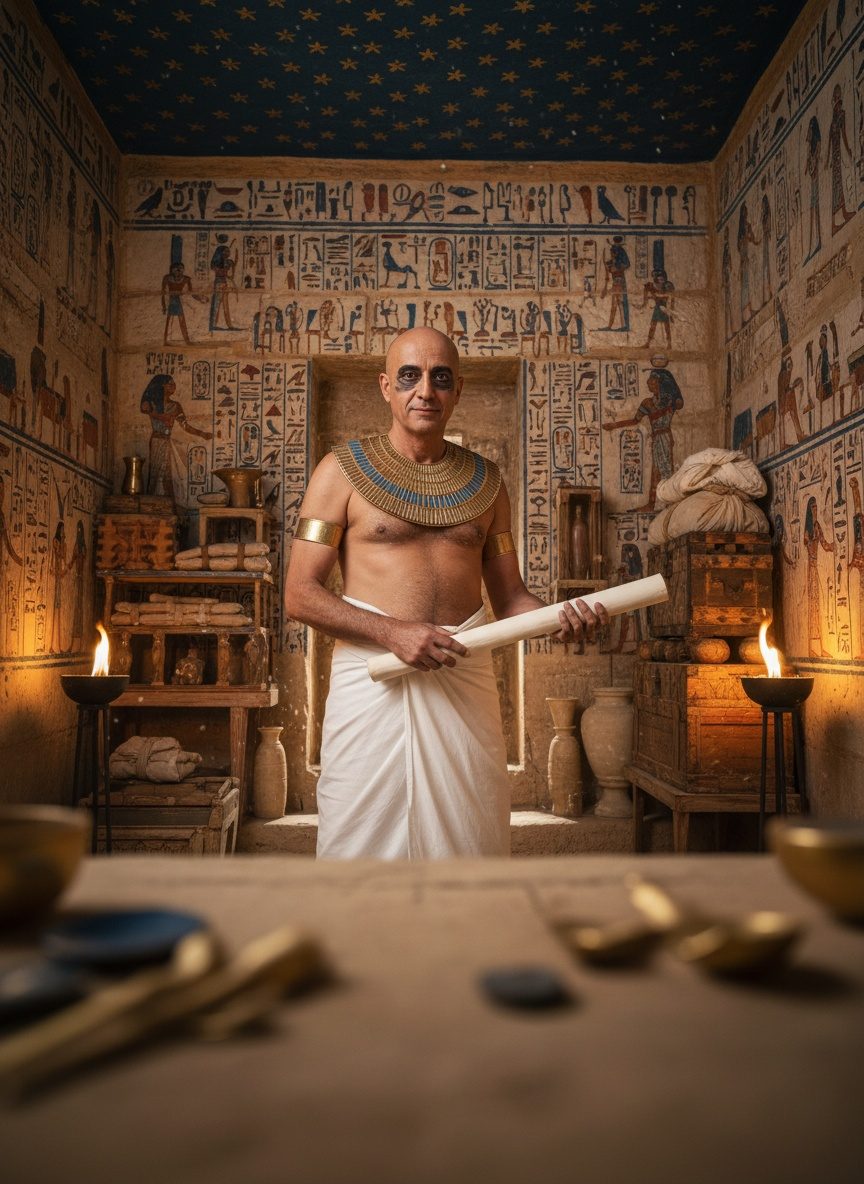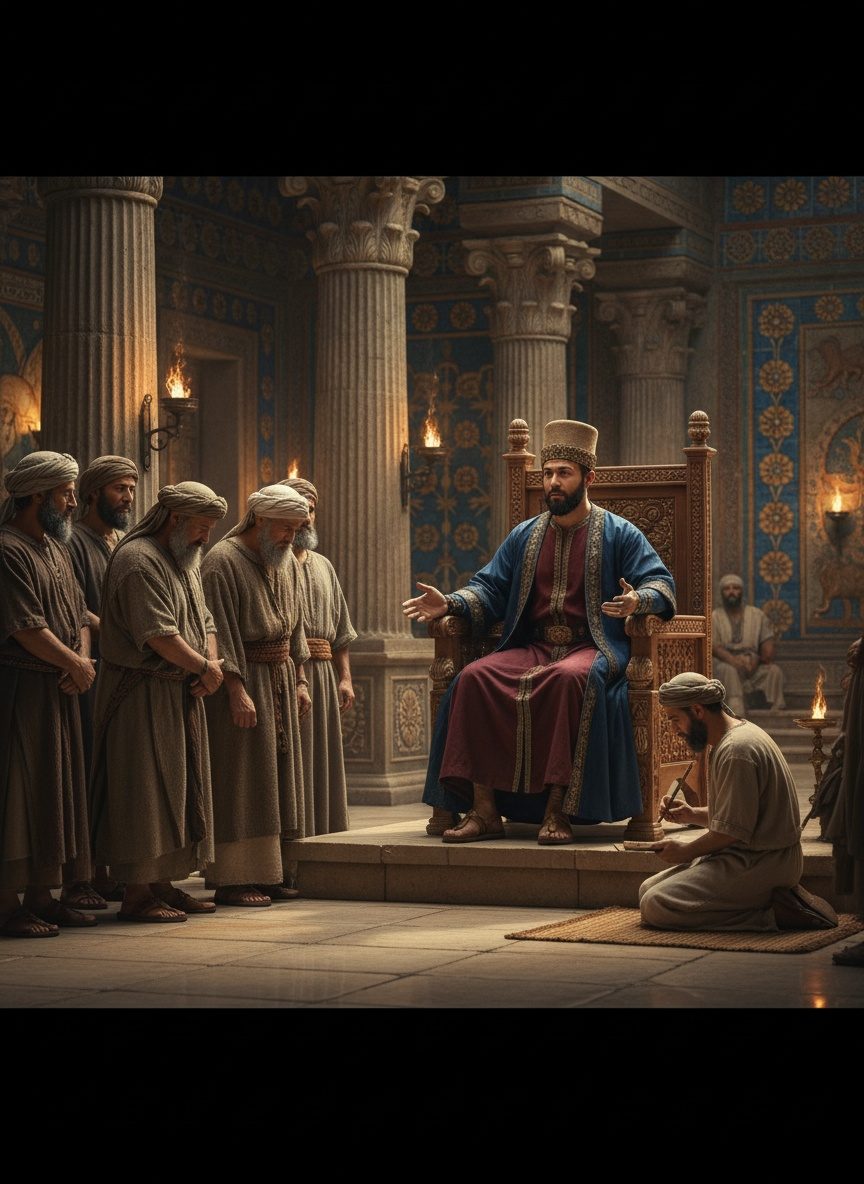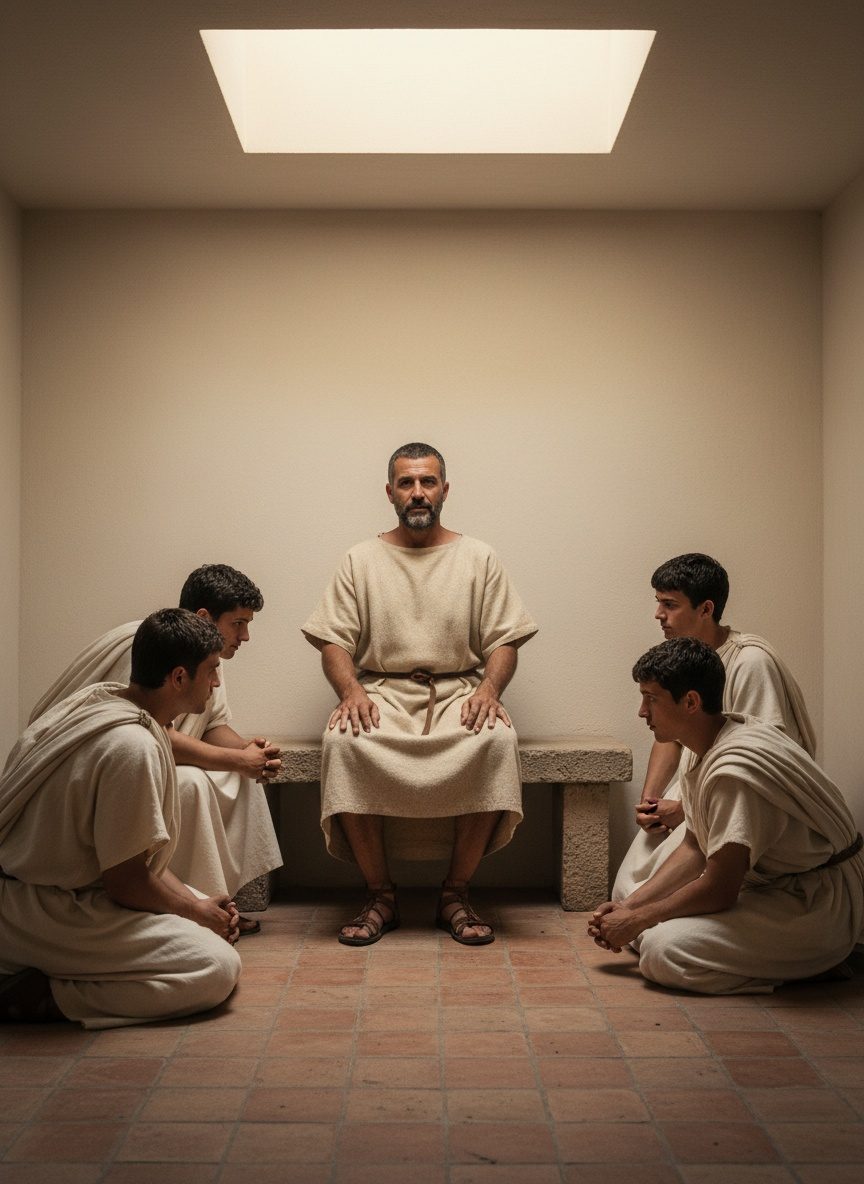
He spoke of freedom not as a citizen but as a slave. Epictetus knew chains, yet he taught others how to break theirs.
A Slave with the Mind of a Scholar
Born in the first century AD, Epictetus entered the world not in a grand villa or bustling city, but in servitude, a possession owned by a harsh and unyielding master. His early life was shadowed by chains, both physical and metaphorical, as he served Epaphroditus, a secretary to the notorious Roman Emperor Nero. In a world where the whispers of Stoic philosophers may have been drowned out by the clang of Roman armor, Epictetus’s thoughts emerged like a beacon.
Despite the shackles that bound him, his intellectual curiosity soared untethered. His master, perhaps intrigued by his slave’s keen mind, permitted him to attend lectures by Musonius Rufus, a prominent Stoic philosopher. It was under Rufus’s tutelage that Epictetus absorbed the essence of Stoicism, a philosophy advocating for self-control, rationality, and inner freedom. These lessons would become the cornerstone of his teachings—his way to rise above the limitations of his own reality.
A Philosophy Forged in Adversity
Epictetus's life took a harrowing turn when a purportedly minor dispute with his master resulted in a brutal punishment—a broken leg. Legend holds that Epictetus faced this cruelty with remarkable tranquility. He is said to have uttered the painfully serene words, “I told you so,” as his leg snapped. This incident cemented his reputation as a man who lived the philosophy he preached, embodying the Stoic ideal that one’s will could remain unbroken regardless of external circumstances.
Through his affliction, Epictetus's resolve only hardened. When Emperor Domitian expelled philosophers from Rome, Epictetus relocated to Nicopolis in Greece. It was there, beyond the bustle of imperial Rome, that he laid the foundations for a school where he taught not only noble elites but anyone willing to listen. His lectures were never about unreachable ideals but about navigating life with perseverance and clarity, imparting a practical Stoicism that resonated with people from all walks of life.
Teaching the Emperors of Rome
His words spread like a warm current from Greece back across the Roman territories, shaping minds and subtly challenging the Empire’s very philosophical fabric. Although Epictetus penned nothing himself, his teachings were meticulously recorded by his attentive student, Arrian, who later compiled them into works such as the Discourses and the Enchiridion. These texts soon found their way into the hands of some of the most powerful figures of the time, including Emperor Marcus Aurelius, who cherished Epictetus’s words as wise counsel.
Imagine, a slave's philosophy becoming essential reading for an emperor. This was the remarkable paradox of Epictetus—his teachings traversed back to Rome, not as commands from the Senate or decrees from the Forum, but as echoes of liberty and serenity whispered through parchment. The irony of his influence was not lost on those who studied him; a man denied freedom taught the mighty how to attain freedom of the mind.
A Legacy of Stoic Resilience
Over time, Epictetus's teachings wove themselves into the philosophical foundations of the Western world. No longer confined by his previous status as a slave, his ideas were championed by later thinkers and stoics, transcending their ancient origins to find relevance in modern lives. Those searching for ways to navigate the complexities and tyrannies of their realities found wisdom in his elegantly simple doctrine: focus only on what lies within your control, and let go of everything else.
In a world constantly shifting under the unsettling weight of change, Epictetus reminds us that true freedom stems not from external circumstances but from the strength and resilience of our inner selves. Through this lens, his story becomes more than just a narrative from antiquity. It transforms into a living guide, offering timeless strategies for enduring adversity, confront life’s trials, and assert sovereignty over our own minds—the ultimate liberation, taught by a philosopher born in chains.