948 AD. The cold of night seeped through the damp stone walls of the hall in York.
Skald in Chains
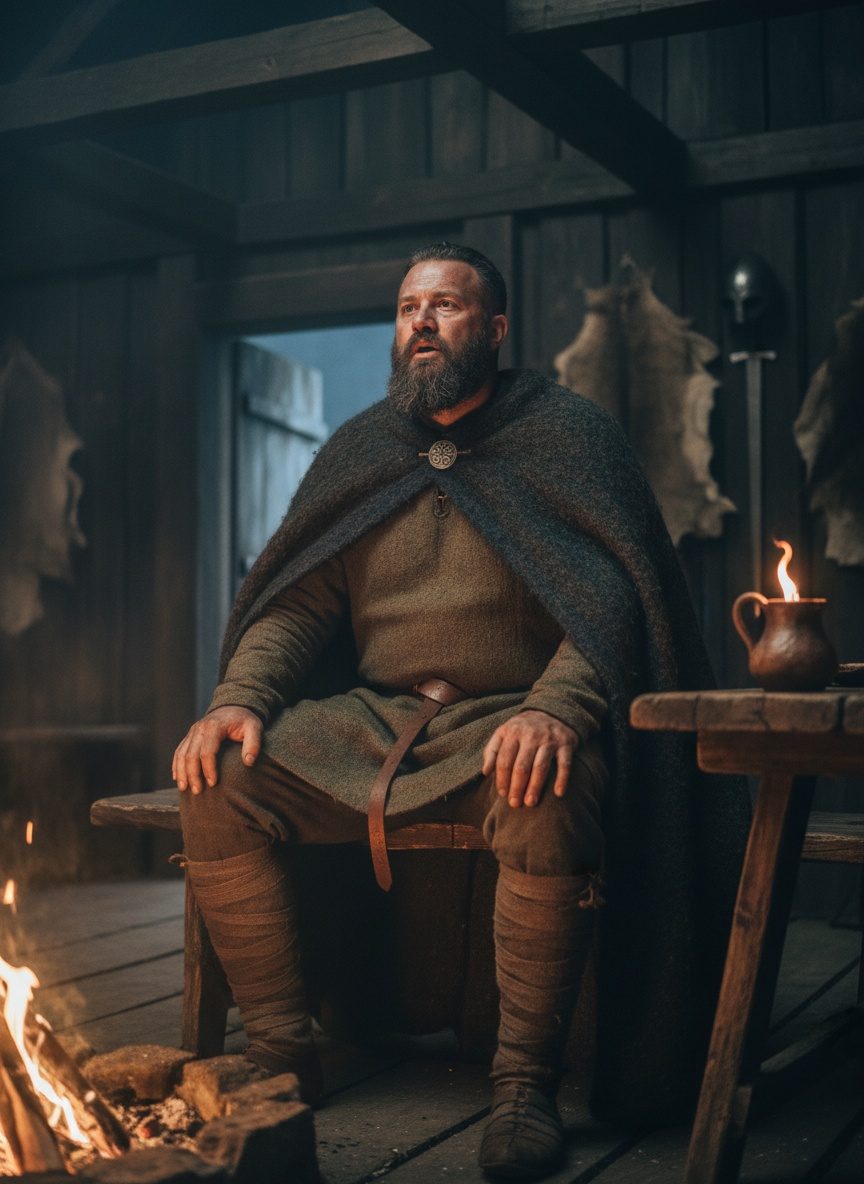
In the flickering torchlight of King Eirik Bloodaxe's stronghold, a lone figure sat hunched, casting a shadow that danced eerily against the walls. This was Egil Skallagrímsson, a man whose life had been a tapestry of blood, honor, and poetry. What brought him to this dank cell was a saga as intricate as the verse he composed; a tale woven with threats and vengeance that had threaded their way across the Norse landscape for years.
York, at the time, was a melting pot of cultural and political conflict. The Viking Age was flourishing with Norse warriors claiming territories across Europe. Beneath the spires and ramparts of Eirik’s domain, Egil lay tangled in a web of familial rivalries. Egil and Eirik’s enmity was more than personal. It was ancestral, a bitter feud that spanned generations through the north winds of Scandinavia.
Egil was not an ordinary captive. He was a skald, a master of poetry revered by his kin. In Norse culture, skalds were more than minstrels. They were historians, linguists, and warriors whose verses immortalized the bravery and folly of their times. Egil’s life had been as fraught with clashes as it was with rhythm and rhyme. His robust figure bore the scars of countless sword battles, each cut a harsh reminder of a life lived on the razor's edge.
Now, in this grim hall, Egil faced what seemed the inevitable end. His blood flowed hot with the anticipation of doom, yet beneath the surface simmered the embers of rebellion—the desire, the need, to defy fate itself. Known for his explosive temper that mirrored the nor’easters of his homeland, Egil had always been close friends with chaos, but this night could see the curtain fall on his storied life with more than mere metaphors.
Words of the Unseen Sword
The icy wind howled through York's cobbled streets, a low lament that matched the dire situation of the skald in chains. He pondered the irony. Words had brought him here—accusations, disputes turned into oaths, and curses shared at joyous feasts. Yet, against this dire background, he would wield his only weapon: the ancient tradition of the drápa, an intricate Norse poem.
Across the hall, Eirik Bloodaxe, a king both feared and respected, remained steadfast in his judgment. His sobriquet reflected a grim reputation earned on countless battlefields. Eirik was not known for clemency; his axe had silenced many a foe. To persuade such an adversary required more than simple verse. It required genius.
Egil huddled in his shackles, grasping onto that fine thread of genius like a drowning man. Through the cold, dark hours, he crafted an elaborate tapestry of twenty perfect stanzas, wrapping his thoughts in allusion, metaphor, and kenning—a linguistic gymnastics known only to those who truly mastered the art.
As dawn broke, Egil's voice, rough as the Nordic seas, called for a chance to be heard. His captors, intrigued by the courage of a man facing the abyss, granted him an audience with the king before sunrise. Hollow-eyed and standing firm before the king, Egil let the drápa flow. Each carefully chosen word danced through the air, as if invoking the ancient gods of his forefathers to bear witness to this gripping trial.
The drápa was more than a plea—it was tribute. Egil dared to paint Eirik in strokes both respectful and real, blending reverence with veiled insults in a manner only a master skald could risk. Such was the art of a true wordsmith, drawing not just from the mind but from the very marrow of memory and myth.
The Axe Spared at Dawn
The hall fell silent. King Eirik, perched high upon his wooden throne, listened intently as Egil’s voice rose and fell like ocean swells. For a moment, the air between them shimmered with a power beyond the physical. Here were two warriors, not locked in combat of swords but in the clash of thoughts and spirit. Egil’s fate hung by the delicate thread of his eloquence.
With each stanza, Egil opened pathways into his world, a glimpse into his soul's turbulent voyage. Eirik, despite himself, found his heart stirred by the verses’ truth and raw power. His eyes, once focused on vengeance, now saw the towering spirit of the man before him. It was said in tales of old that the Norse gods took shape in earthly matters of great consequence, and some might argue this day was such a time.
As the skald’s voice fell to a whisper with the poem's end, the room exhaled a breath it didn't know it held. All eyes turned to the king, waiting. In those consuming hours of darkness, Egil's verse reached beyond what mortal eyes could see, capturing something essential about the human condition that resonated profoundly with Eirik. The silence following Egil's recital was a void waiting to be filled. Bloodaxe, a man not easily moved, faced not a warrior to be felled, but a legacy to be respected.
An eternal moment passed before the final judgment. The fiery ember of Egil's spirit had sparked something in Eirik, something that stayed the executioner’s hand. Perhaps the poetry reminded Eirik of their shared heritage or called to the duty of his own legacy, transcending the shadow of the axe. With an almost imperceptible nod, Eirik spared Egil that fateful morning. The power of the word was triumphant over steel.
This moment was a testament to the nuanced depths of Viking culture, where even the fiercest of warriors bowed to the mastery of a skald. As history often reveals, the past holds stories that defy the script of swords and shields. Egil Skallagrímsson’s tale reminds us that words possess a unique might—to evoke, persuade, and bind us across ages to a shared understanding beyond time and fate.