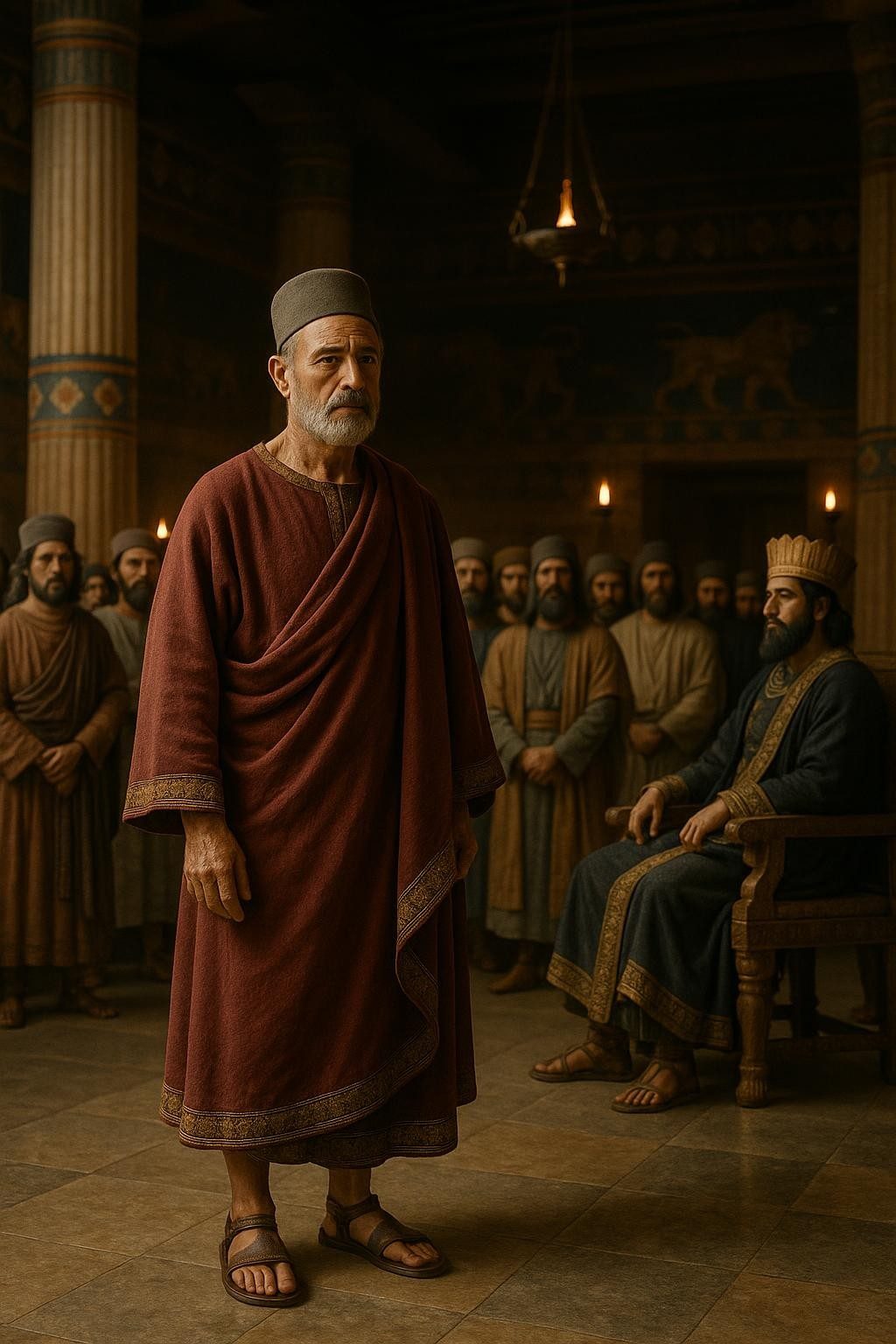
522 BC. Dust swirled in the golden light of a Persian afternoon.
The Empire on the Edge of Chaos
The death of Cyrus the Great left a gaping void in the heart of the Persian Empire. Known for his ingenious and benevolent rule, Cyrus had stitched together one of history’s largest empires. But with his departure, the seams began to unravel. Thriving on a tapestry woven from various cultures and peoples, Persia relied on both diplomacy and dominance to maintain unity. The transition to the rule of Cambyses II seemed smooth initially, yet shadows lingered in the depths of the imperial court.
By 522 BC, Cambyses had perished under uncertain circumstances in far-off Egypt. The details of his death vanished into the sands of time, casting a long shadow of doubt and fear across the empire. Suddenly, the great Persian armada appeared fractured, dozens of potential leaders ready to claim their piece of the worn throne.
The Rise of Darius
Amidst the turmoil, a young nobleman named Darius emerged as a beacon of hope and resolve. Darius, from the Achaemenid line, was considered a skilled warrior and shrewd strategist, known for his commanding presence on both battlefield and court. His sense of destiny could hardly be restrained. Sizing up the crumbling empire, he seized the throne amidst the chaos, vowing to restore Persia's lost glory.
Across the parched lands, nineteen self-proclaimed kings readied themselves, each thrusting their own claim as the rightful heir. Yet Darius understood these rebellious outbreaks as inevitable echoes of the void left by Cyrus. Facing them was not just about asserting dominance but about showcasing legitimacy and strength to his nascent reign. Over the course of a year, Darius engaged them in an audacious campaign that unfurled across the empire like a fiery scroll.
Battles That Shaped an Empire
Each rebel claimed the mantle of ancestral rights, weaving persuasive narratives that they alone could restore the forsaken balance. But Darius countered them not only with the sword but with clever stratagems that left them bewildered on their own soil. It was a bone-shaking gamble—engaging in gripping battles from east to west, the pressure mounting like a brewing summer storm. Near the ancient Elamite city of Susa, a rebel once thought invincible finally knelt, acknowledging Darius not just as a conqueror but as the legitimate shadow of the god Ahura Mazda on earth.
As Darius's campaign unfolded with relentless intensity, small victories snowballed into sweeping triumphs. Through a cascade of brilliant maneuvers, he dismissed the pretense of their claims one by one. From the shores of Hyrcania to the highlands of Armenia, tales spread of his cunning tactics, with whispers hinting at divine favor.
The Monument at Behistun
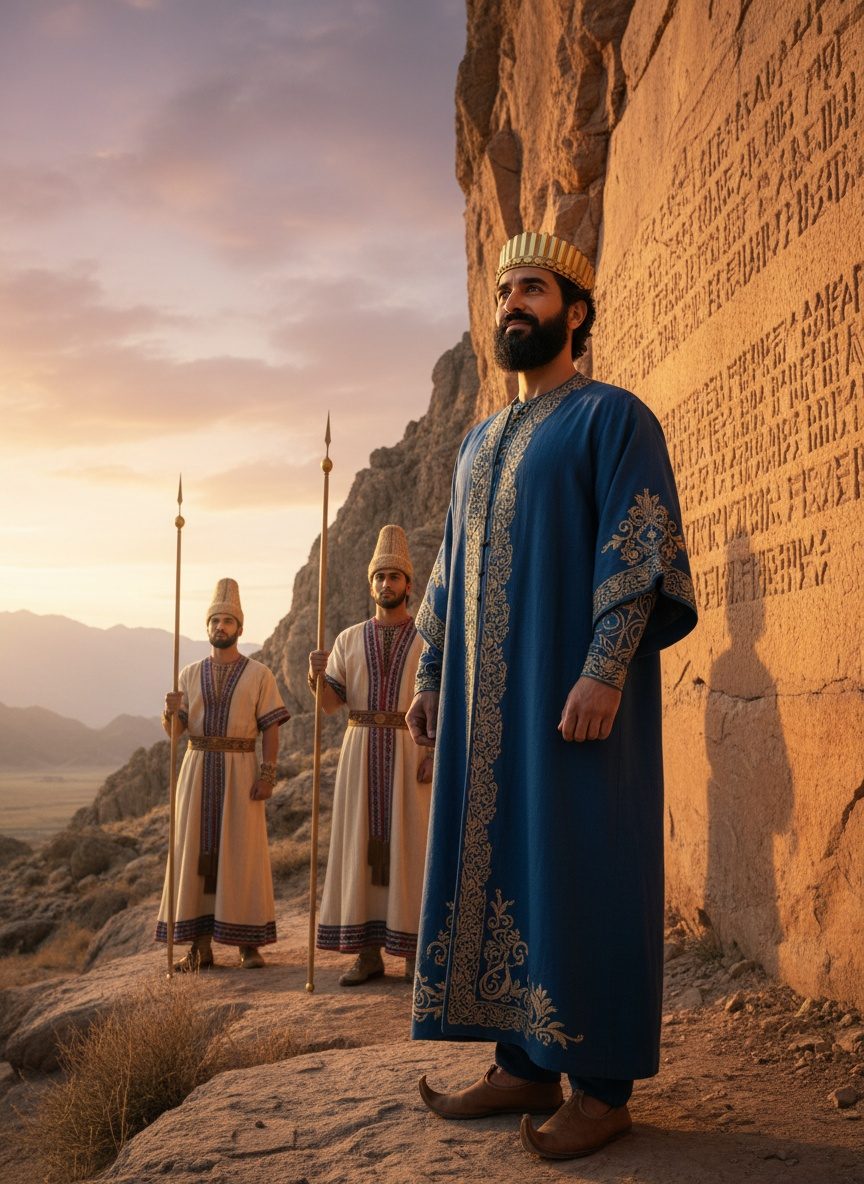
Victory assured for the moment, Darius turned to an extraordinary endeavor to immortalize his feats and consolidate his rule. On the imposing limestone precipice of Behistun—a revered site on the ancient Royal Road connecting the empire's peoples—Darius commanded artisans to carve his saga into the rock. The inscription, a colossal testament that would stand timeless, served a dual purpose: to glorify his righteous rule and to authenticate his lineage, underscoring the divine sanction he claimed from the god Ahura Mazda himself.
Written in Elamite, Babylonian, and Old Persian, these trilingual reliefs professed the legitimacy of his actions for the world to bear witness. The scenes came alive in captivating imagery—Darius towering over chained rebels, the embodiment of order imposing his will upon chaos. It was the first time in history such a declaration was made on such a grand scale, a monumental decree unparalleled in the annals of ancient realms.
A Gesture of Humility
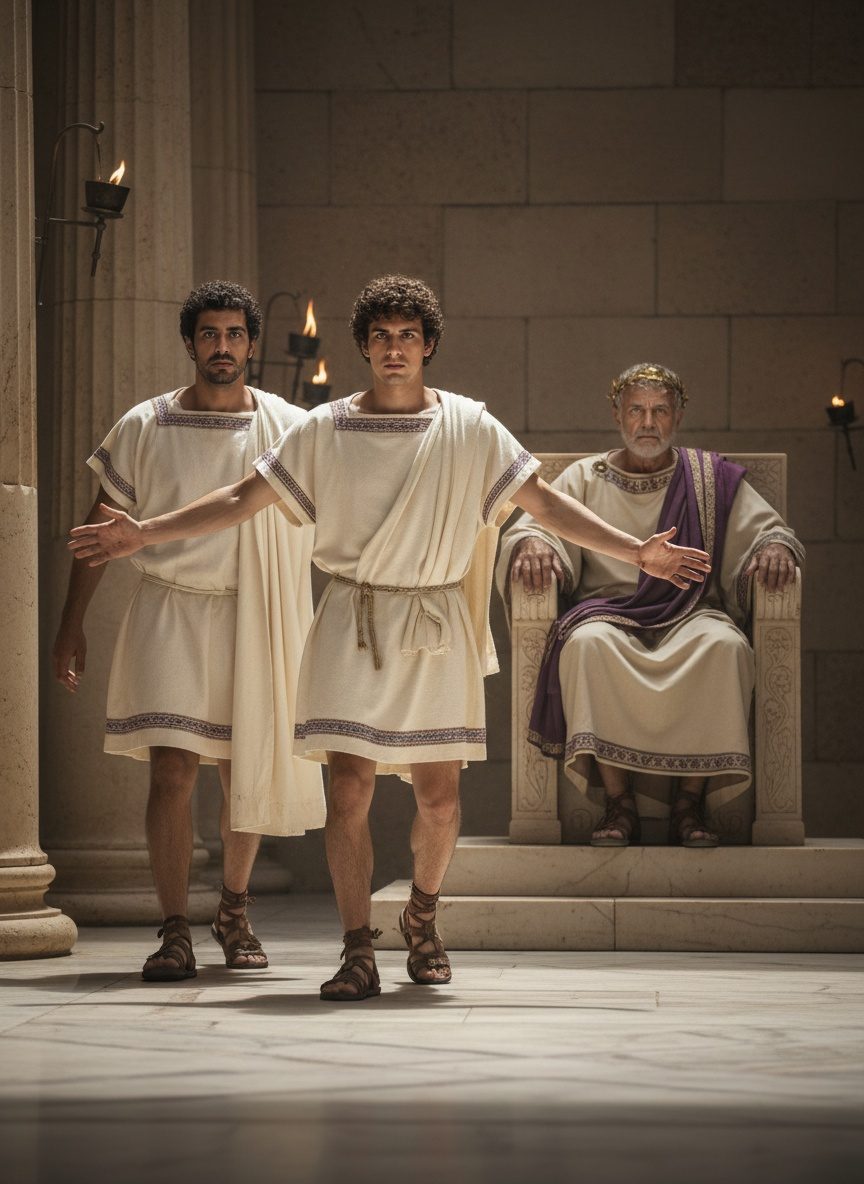
However, amid his triumph, a rare glimpse of humanity tempered the imperious grandeur of Darius. The legends tell of a captured Greek who, upon seeking mercy, found himself weeping at the feet of Darius. This man, a mere pawn in the wider Persian power play, expected execution, his knees brushing the stones with the inevitable dread of common fate. Yet, instead of condemnation, Darius, perhaps recalling Cyrus's virtues or understanding the broader strings of unity, chose to extend a hand of clemency. He knelt to listen, defying the expected script of ruthlessness that defined conquerors.
This moment, captured only in the echoes of those who dared to speak it aloud, offered a subtle yet profound expression of the virtue that perhaps made Darius's reign enduring.
In reflecting upon Darius's storied rise, we grasp at the deeper truth of why his tale matters so much today. Through stone and time, his inscription at Behistun stands as a monument not just to conquer, but to the qualities of legitimacy, communication, and the potent blend of might and mercy that can hold even a vast empire intact. The inscription’s enduring presence challenges us to recognize that history's true architects are those who, even amidst conquest, understand the silent power of shaping hearts and minds.