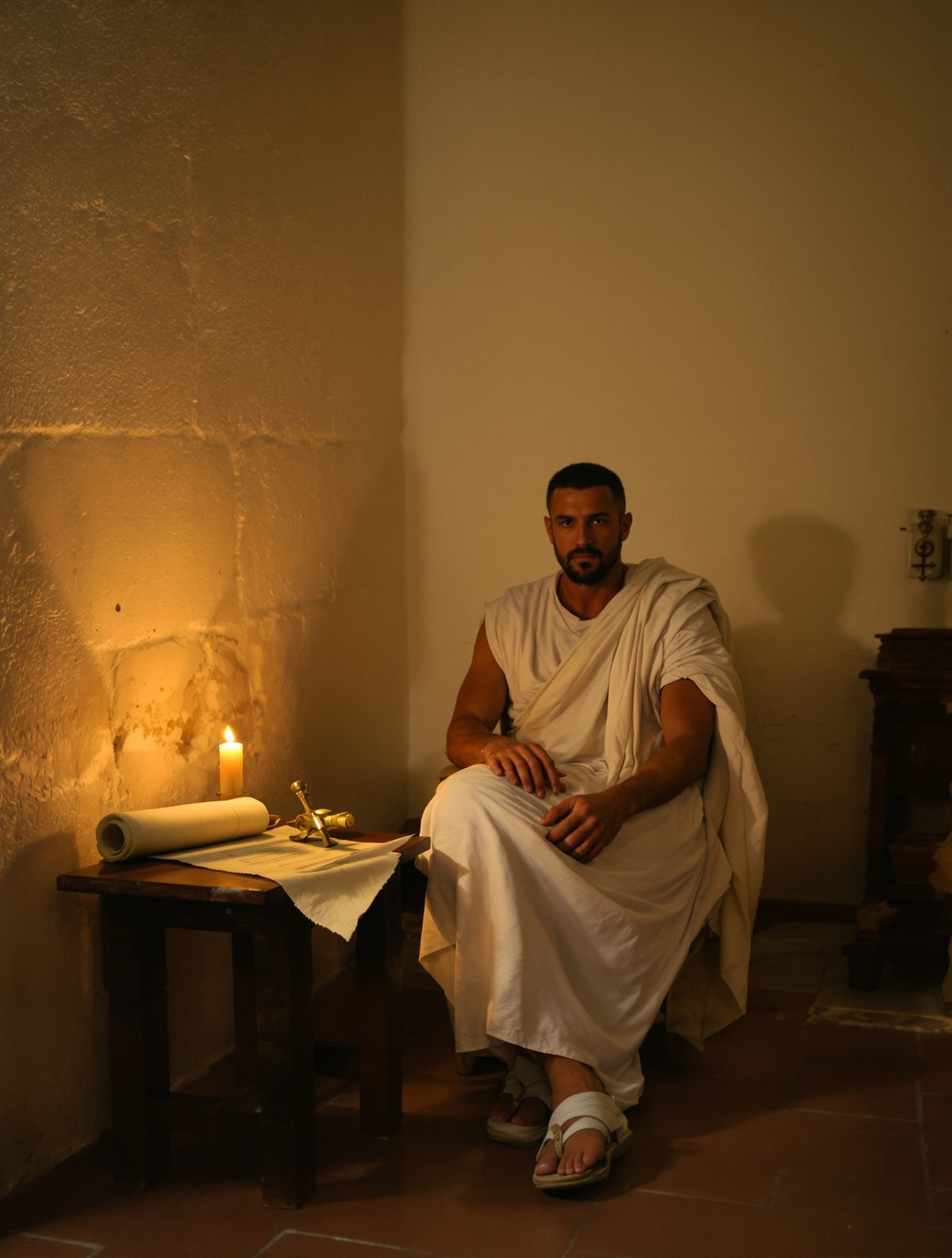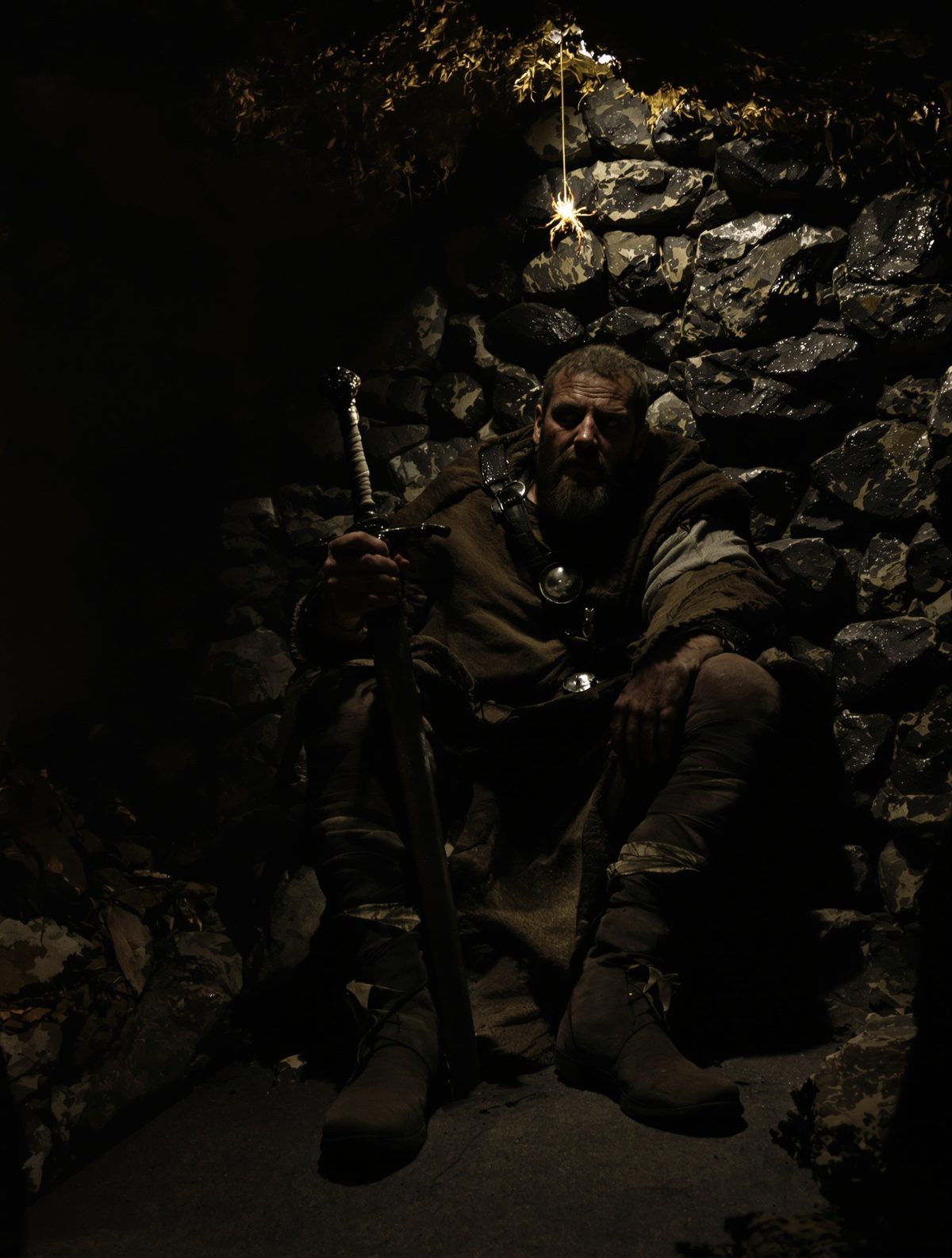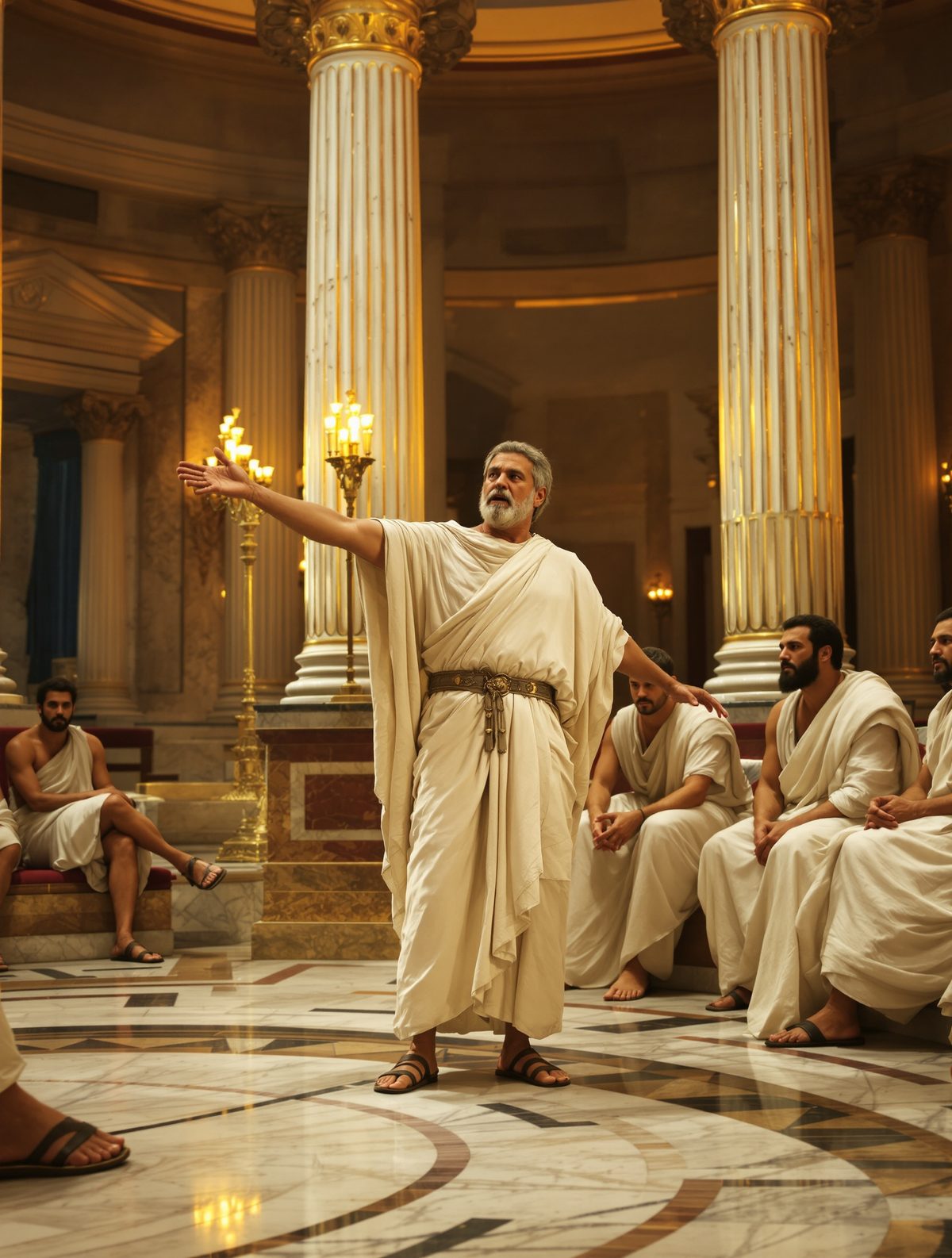
In the year 63 BC, the heart of the Roman Republic teetered on the brink of disaster. Within the austere walls of the Senate, despair gathered like a storm cloud, threatening to engulf the city in chaos. Amid this apprehension stood Lucius Sergius Catilina — Catiline, a man of noble birth but tarnished reputation, who dreamed not of leading Rome but of owning her ashes. As senators shifted uneasily in their seats, the air thick with conspiracies and fear, one man, Marcus Tullius Cicero, rose from the shadows. His words, sharp as legionary steel, would not only transcend the centuries but also forever change the course of Roman history.
The Conspirator Within
Born into a distinguished family around 108 BC, Catiline's life was a tapestry woven with ambition, scandal, and desperation. His early years were marked by violence, including a role in the proscriptions of Sulla, where he reportedly delighted in the bloodshed that swept the streets of Rome. By 63 BC, having lost successive bids for consulship, Catiline harbored deep resentment towards the entrenched aristocracy that he believed denied him his due.
Determined to claim power by any means necessary, Catiline rallied a motley crew of disillusioned veterans, debt-ridden youth, and open criminals. Senators, fearing exposure or hopeful of promised power, whispered allegiance to his cause. Catiline's vision was one of radical reform: the abolition of debts and the redistribution of wealth — a siren song for the suffering masses.
The Tiger Unleashed
As the year faded into autumn, the conspirators finalized their plans. Catiline's proposition was nothing less than the complete upheaval of Rome. On the night of November 7, 63 BC, he planned to set the city alight, assassinate Cicero, and seize power amidst the chaos. Yet, fate, it seemed, had a different path to carve.
Cicero, a "novus homo" or new man of the Republic, was by birth excluded from Rome's inner sanctum. His rise through Ciceronian oratory and invincibly sharp intellect allowed him to become consul in this defining year. Despite personal animosities — for Catiline and Cicero's destinies had long been entangled through their political careers — Cicero maintained a cautious watch. In a dramatic twist, a former lover of one of Catiline's accomplices divulged crucial intelligence to Cicero, unraveling the conspiracy.
Cicero's Moment
On the morning of November 8, 63 BC, Cicero entered the Temple of Jupiter Stator with an urgent dispatch hidden beneath his toga. Tension crackled through the Senate chamber. Every senator knew the stakes, and as Catiline strode into the hall, he held his head high, a brazen disregard for the whispers that surrounded him.
It was then that Cicero stood, allowing the chamber to fall into silence, the air electric, charged with the weight of Rome's future. His words began not with the thunder of accusation but the quiet power of a question: "How long, Catiline, will you abuse our patience?"
Cicero's speech, now historically enshrined as the First Catilinarian Oration, was an unyielding exposé of Catiline's treachery. With eloquence akin to a sculptor chiseling a masterpiece from stone, Cicero laid bare the conspiracy in perfect Lucidity. He depicted scenes of burning Rome and painted Catiline as the very embodiment of perfidy. The oration was a masterclass in rhetoric — by the end, Catiline's defenses had crumbled, leaving him exposed and isolated.
The Flight of the Betrayer
Cicero's words acted like a spell, stripping Catiline of his assurances. With nothing left but naked ambition turned inward, Catiline fled the Senate in the dead of night. Stripped of support, Catiline gathered what men he could and fled north to join other conspirators laying in wait at Fiesole. Beside an abandoned iron-furnace, the would-be conqueror clung desperately to his dwindling cause. The following month, in the chilling rains of early January 62 BC, Catiline met his death in a pitched battle against the loyal forces of the Republic. Though outnumbered, he fought fiercely and died on a battlefield far from the marble columns of home.
The Legacy of Oratory
The Senate, saved by the power of Cicero's words, immortalized him with the title "Pater Patriae" — Father of the Fatherland. However, the path set that autumn day was one in which shadows grew long. The conflict over Rome's future did not end but instead unfurled like a hydra with many heads, culminating in the destruction of the Republic and the rise of an empire.
The significance of Cicero's victory lay not in the defeat of a single conspirator but in the safeguarding of the Republic’s heart. His oratory revealed a powerful truth: While the sword may dictate the fate of battles, it is the word — persuasive and enduring — that shapes the course of civilization. In our own modern era of divisive politics and shifting alliances, Cicero’s triumph through speech serves as a potent reminder of the unparalleled power of words.