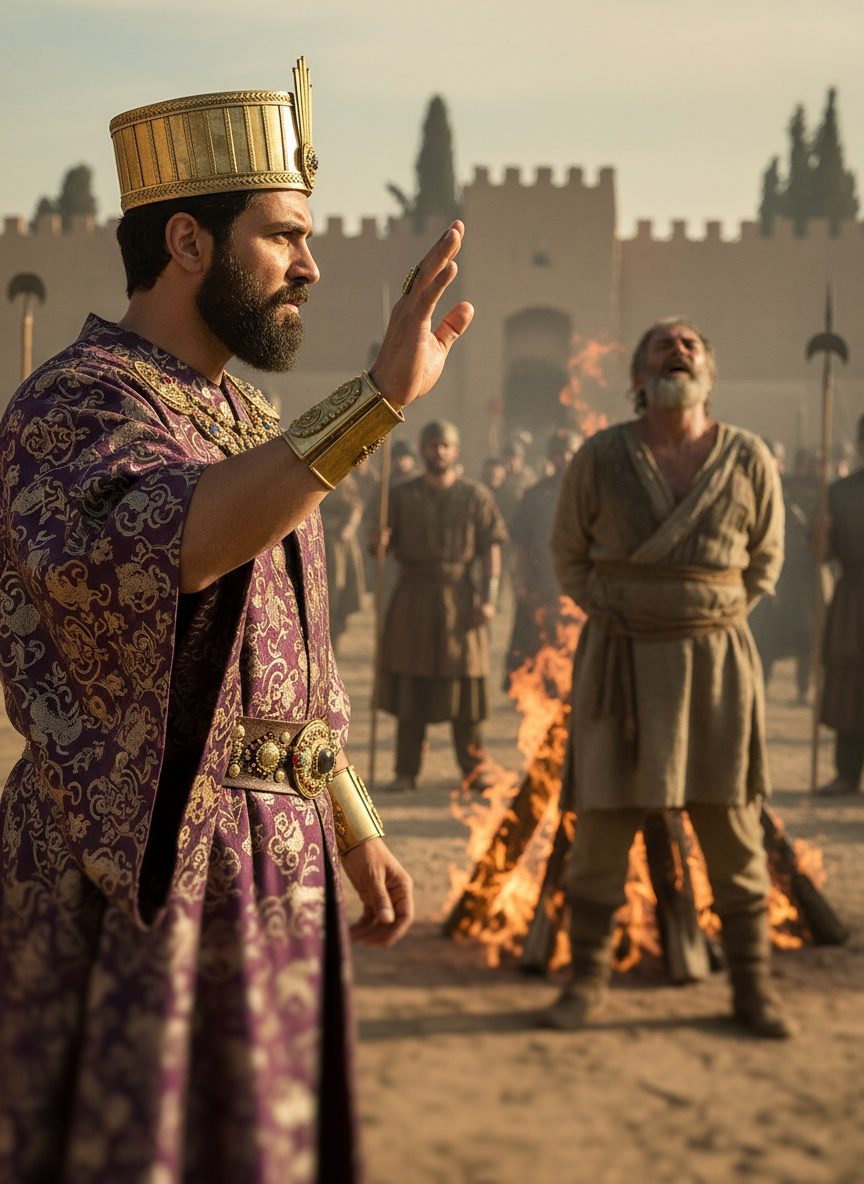
The flames crackled hungrily, casting an eerie glow against the winter's sky. Croesus, the legendary wealthy king of Lydia, stood bound atop a towering pyre. Faces emerged from the darkness, a sea of soldiers from the Persian Empire, eager for a spectacle. Among them was Cyrus the Great, conqueror of Babylonia, and now of Lydia itself. The air was thick with tension and the scent of charred wood. Croesus’ fate seemed sealed, a grim reflection of his fallen realm. Yet, as the torches descended toward the pyre’s base, a single word, carried on a weary voice, sliced through the chaos and halted destiny in its tracks.
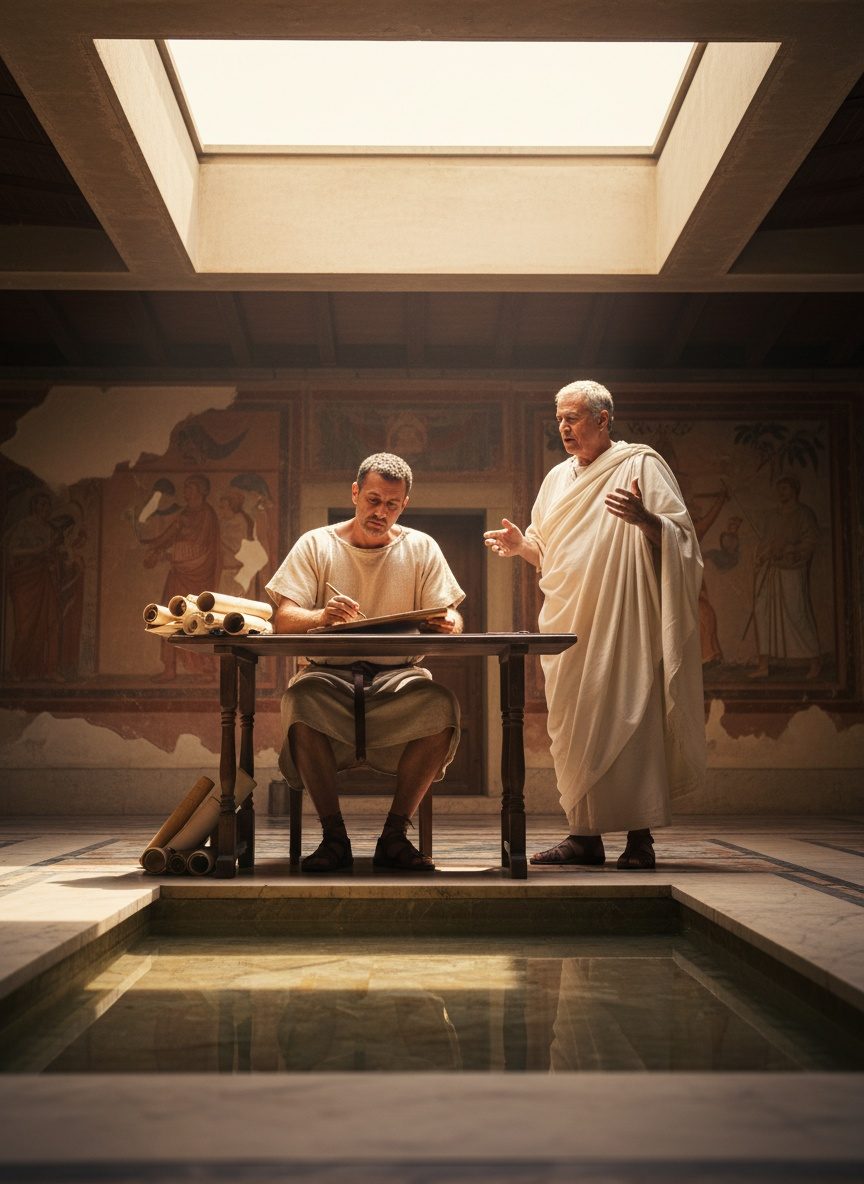
"Solon!" Croesus cried out, his voice strained with the weight of defeat and resignation. This name seemed as foreign to the ears of the Persian soldiers as the landscape of this conquered land. Even Cyrus paused, intrigued. Solon, he had heard, was a wise sage from distant Athens, a man famed for his knowledge of life’s ephemeral fortunes. Unperturbed by the giddy anticipation welling up in his soldiers for the imminent execution, Cyrus raised his arm, signaling a stay in the proceedings. He needed to understand why the name of this ancient lawgiver from another land could extract such depths of emotion from a dethroned king in a moment of certain doom.
Amidst the flickering shadows, a tale began to unfold, a tale of arrogance and realization. Cyrus listened as Croesus explained how Solon had once visited his court, welcomed and entertained with all the opulence his kingdom could muster. It was during this visit that Croesus, in his hubris, had displayed his fortunes, expecting acknowledgment of his supreme happiness. However, Solon, wise beyond material allure, had warned him of the fickle nature of fortune. "Count no man happy until the end is known," Solon had told him. At that moment on the pyre, Croesus reflected bitterly on this truth. The splendor of his past seemed like distant dreams, melted away by the trials of fate.
Cyrus was not a ruler of ordinary disposition; curiosity and a keen intellect were among the traits that set him apart. As the flames continued to dance, he pondered over the notion that providence perhaps had intervened. Could this be a sign? The tales of Solon and his teachings arrested his mind, and slowly, a sense of compassion took hold. As a conqueror, he had the power to erase his enemies, yet as a philosopher, he recognized the value in Croesus’ insights and experiences. He ordered the fires to be doused, saving the once-wealthy king from the jaws of death.
Under a new dawn, Croesus, now a prisoner of the empire, witnessed the evolution of the world around him. Cyrus, whom history lauds as “The Great” for good reason, began to weave a new tapestry for what an empire could mean. No longer was it solely forged in blood and fear; it could be a realm of merciful governance and benevolence. The absorption of new territories came with a willingness to adapt, adopt, and integrate the cultures and wisdom of those within its expanding borders.
What remains most pressing about this episode is not merely the moment Croesus was saved from incineration but what this act heralded for the broader world. It marked the dawn of an era where kingship was not synonymous with tyranny but with an enlightened vision that dared to imagine coexistence over conquest, learning over looting. Croesus himself became an advisor to Cyrus, imparting insights into the geography and the delicate web of relationships between neighboring states and tribes.
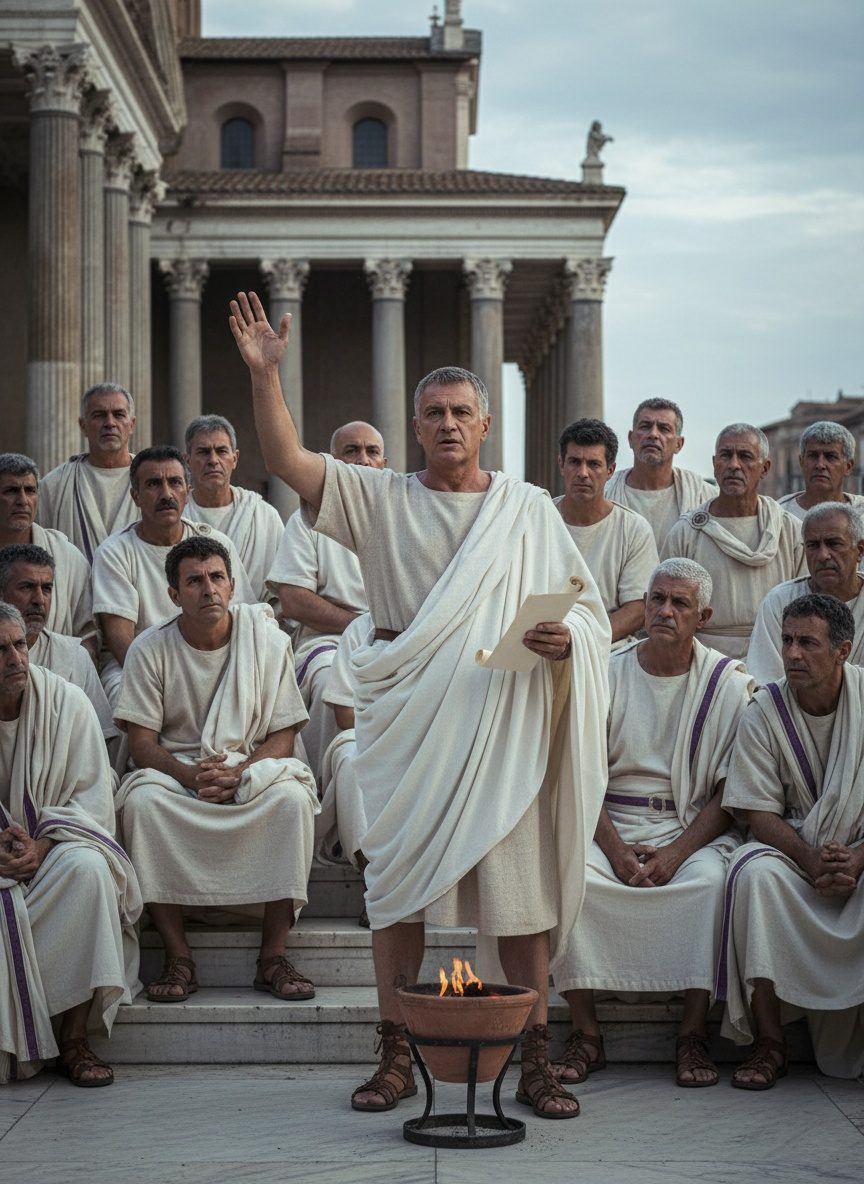
This act of mercy reverberated beyond the immediate lives of two rulers, influencing the historical narrative and setting a precedent that could only belong to an empire with enduring influence. In sparing Croesus, Cyrus forged a new idiom of imperial rule that stressed inclusiveness—a model revered and oft-cited throughout history. Greece, with its fractious city-states, Rome, as it spread its republican ideals, and even later empires adopted shades of Cyrus’ policies of assimilation and respect for subject peoples.
Today, as we reflect upon Cyrus’ actions, the story serves as a poignant reminder of the potent force of clemency in leadership—an idea that transcends millennia. It's a tale not recounted in dusty classrooms but shared in courtrooms, boardrooms, and places where power and humanity intersect. The salvation of Croesus was a rare spark of human dignity, altering the course of empires and history itself. This tale invites us to contemplate the fragile balance between power and mercy, challenging us to apply these lessons in our own stories, shaping futures with a compassion that remembers its past.