In the year 46 BC, a charged silence hung heavily over the Roman Senate as its members gathered. Each senator wore his usual toga, the fabric moving silently like ghosts of the Old Republic. But on this tense day, their faces reflected a stark acknowledgment — Caesar had won. His enemies were vanquished, and the eternal city teetered on the precipice of a new era. Yet, amid the whispering resignation, one man stood apart in both spirit and fate: Cato the Younger. He would never leave that space, embodying the last bastion of Roman Republicanism in a fateful and defiant act that would echo throughout history.
The Battle of Thapsus: Caesar's Inevitable Triumph
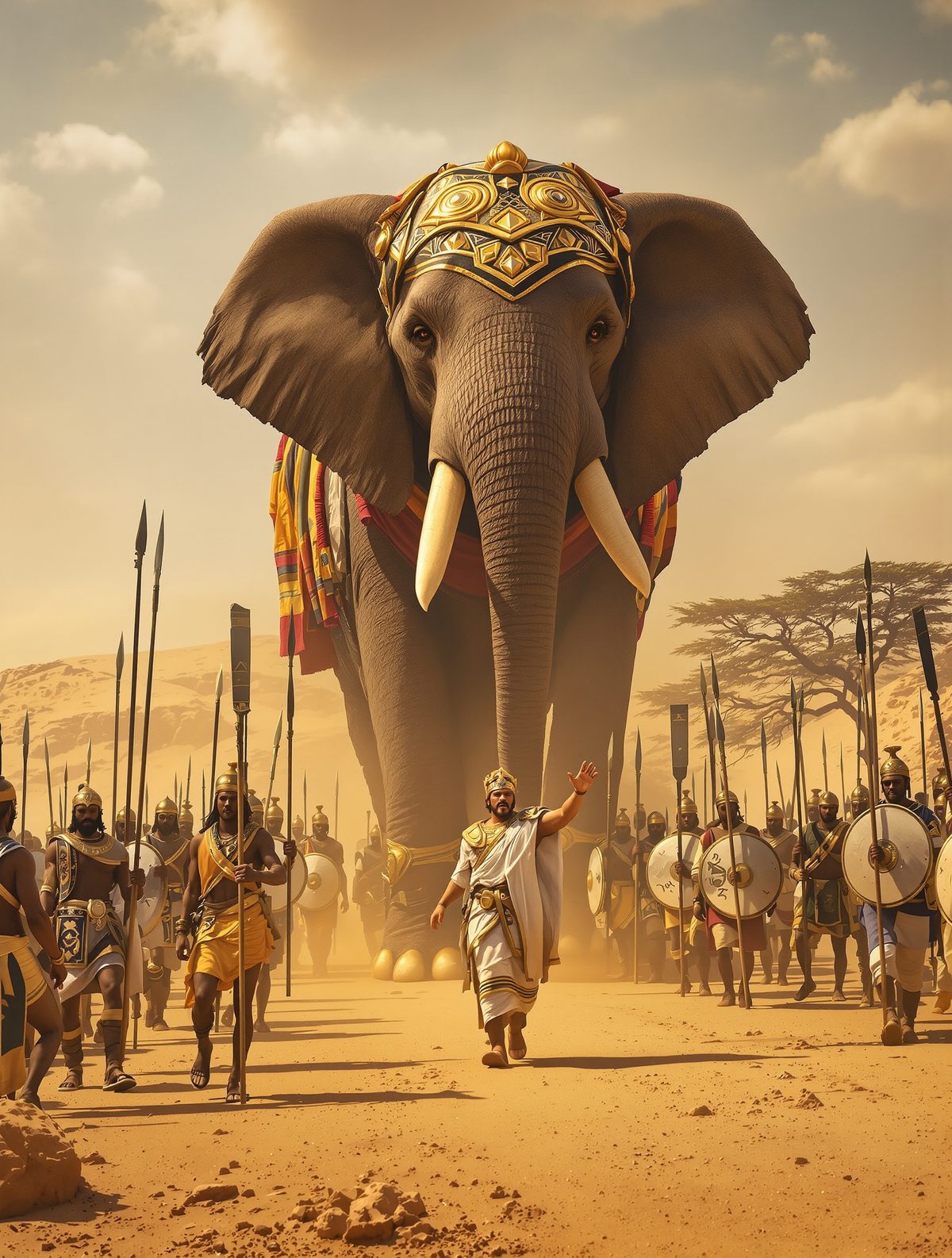
The sun blazed over the fields of Thapsus in North Africa, casting sharp shadows of the Roman legions clashing on the blood-soaked soil. On the 6th of February, 46 BC, Julius Caesar's forces battled the remnants of Pompey's army. Cato, a stalwart defender of the Republic, had chosen to ally with Metellus Scipio, a member of the opposition. Nonetheless, the battle was fated to conclude in Caesar's favor. With a masterful command reminiscent of his greatest triumphs, Caesar crushed his adversaries in mere hours. His path to absolute power lay clear, but he foresaw lingering sparks of resistance.
As tidings of the defeat spread, allies like Cato retreated to Utica. In this city, they faced difficult choices; submission, flight, or the ultimate sacrifice. They were far from the battlefields, but they struggled equally with the specter of a Rome bereft of its Republican identity.
A Life of Stoic Resolve
Marcus Porcius Cato Uticensis, known simply as Cato the Younger, was a man whose philosophy and politics were inseparable from his existence. Born into a lineage that proudly recalled the name of the elder Cato the Censor, he embodied the stoicism of his forefathers. From an early age, Cato possessed a reputation for fierce integrity and an inflexible adherence to principle, stark qualities even in Rome's age of austerity.
His opposition to Caesar was not just political but an essential battle of ideologies. Cato viewed the dissolution of traditional Republican values as paramount to the loss of Roman virtue. His unyielding resistance and oratory inspired both admiration and derision in equal measure, yet his legacy would derive from the drastic steps he envisioned outside the confines of the senate chambers.
The Solitude of Utica
With Caesar's victory looming, Cato found himself in Utica; a secluded city turned crucible of his final resolve. Gathering with fellow senators who sought refuge, he struggled to maintain morale and deliberate on their collective fate. His leadership relied not on rhetoric or military might but on the eloquence of his philosophical affirmations.
In this solitude, Cato turned to the stoic texts of ancient philosophers. He believed deeply in the works of Socrates and Zeno of Citium, quotations echoing in his solitude. Here, he revisited passages that likened freedom to an ironclad inner spirit and the rejection of tyranny as the ultimate act of conscience. His choices, sensed to be heading toward a dramatic crescendo, were to be the testament of his immutable ideals.
The Sword and the Scroll
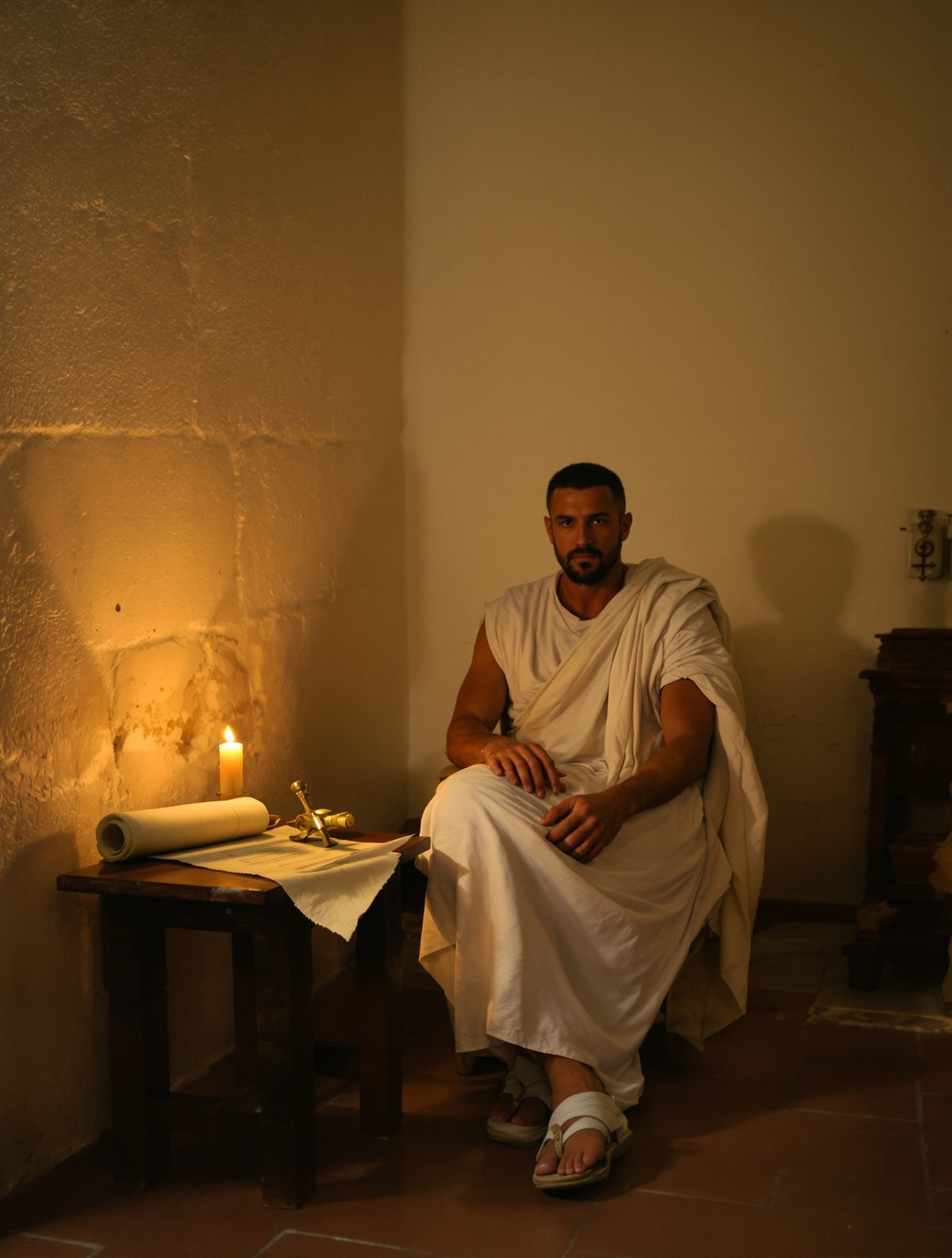
As dusk descended on Utica one fateful day, Cato dismissing the assembly of a council for the evening took the unprecedented step into his chambers, his intentions shrouded in an air of resolute clarity. He readied himself with scroll in hand and sword by side; the political was about to become undeniably personal.
The events of that night remain indelibly marked in history. Cato's final act was meticulous. He spent hours immersed in Plato's Phaedo, a discourse on the immortality of the soul. With care, he scrutinized the words on the papyrus, perhaps drawing solace from the stoic acceptance of inevitability echoing through the dialogue.
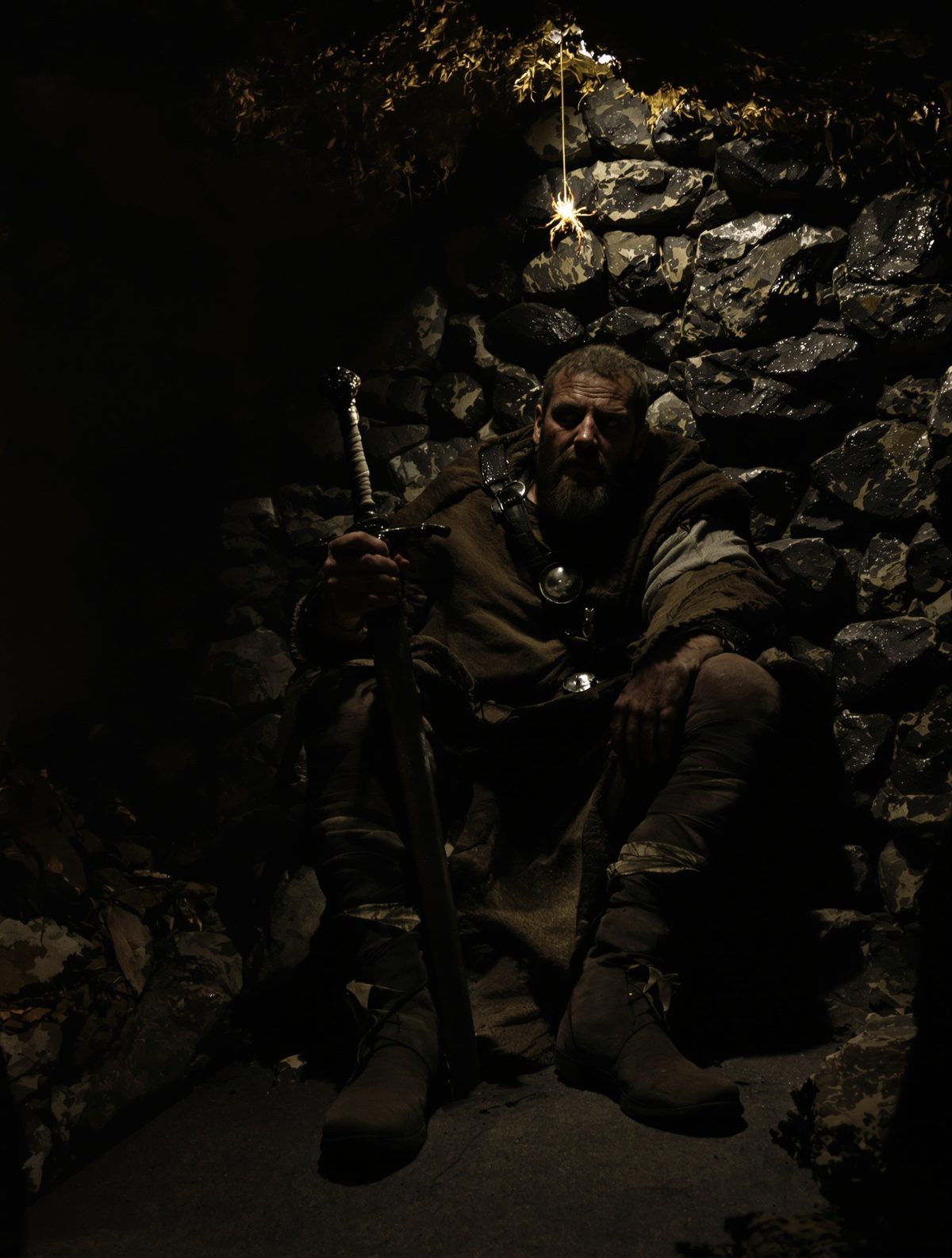
Grasping a sword, he inflicted upon himself grievous wounds, but his act of self-determination would not be so easily completed. When found by his horrified servants the next morning, he faced their futile attempts to mend the physical calamity he wrought on himself. In a display of extraordinary grit, Cato tore the stiches himself, sealing his fate forever. At dawn's light, the twilight of Roman Republicanism coincided with the last breaths of its fervent champion.
The Legacy of Unbowed Defiance
Cato's death was not merely a Roman senator's end nor a lost cause advocate's demise; it was the incarnation of steadfast resistance. Renowned philosopher and statesman, Cicero, lauded him as "the only man who was ever sought to be defeated by the gratitude of his fellow countrymen." His act inspired countless generations of thinkers, from the revolutionaries of early America to the radicals of France, a testament to the power of principled defiance in the face of overwhelming odds.
His passing, however, leads us to questions that percolate to this day: are lofty principles worth the full measure of sacrifice? In an age where political expediency often eclipses personal integrity, Cato's courage strikes sharp. His refusal to live in a Rome under Caesaristic authority stirs a reflection on when, if ever, compromise concedes too much.
As our own societies grapple with the forces that shape them, from nationalistic shifts to the struggles for democratic values, Cato's principled defiance continues to resonate. In choosing death over dishonor, he turned the tide of loss into a monumental tribute to unwavering fidelity to one's beliefs, a timeless torch lighting the way for those who would follow.