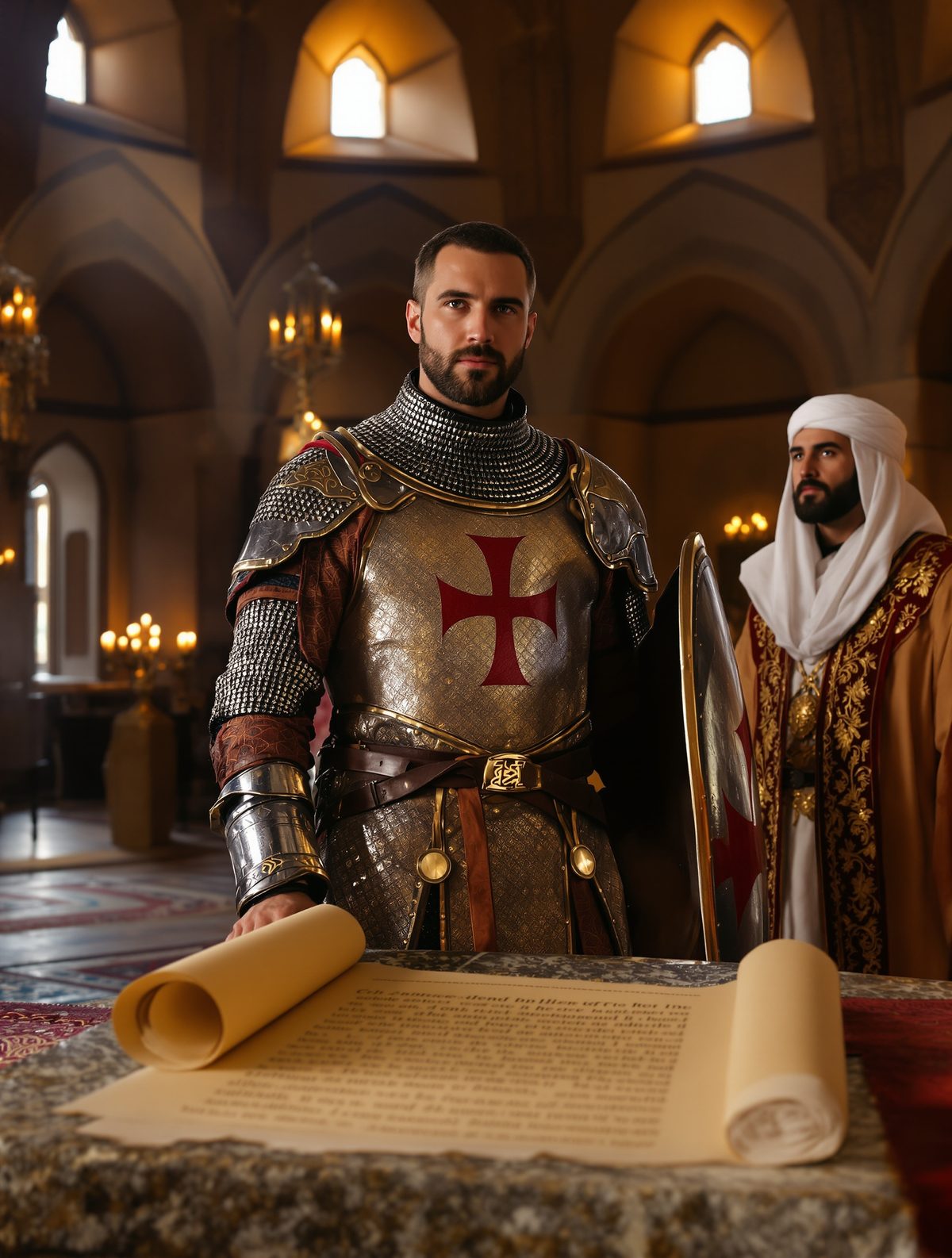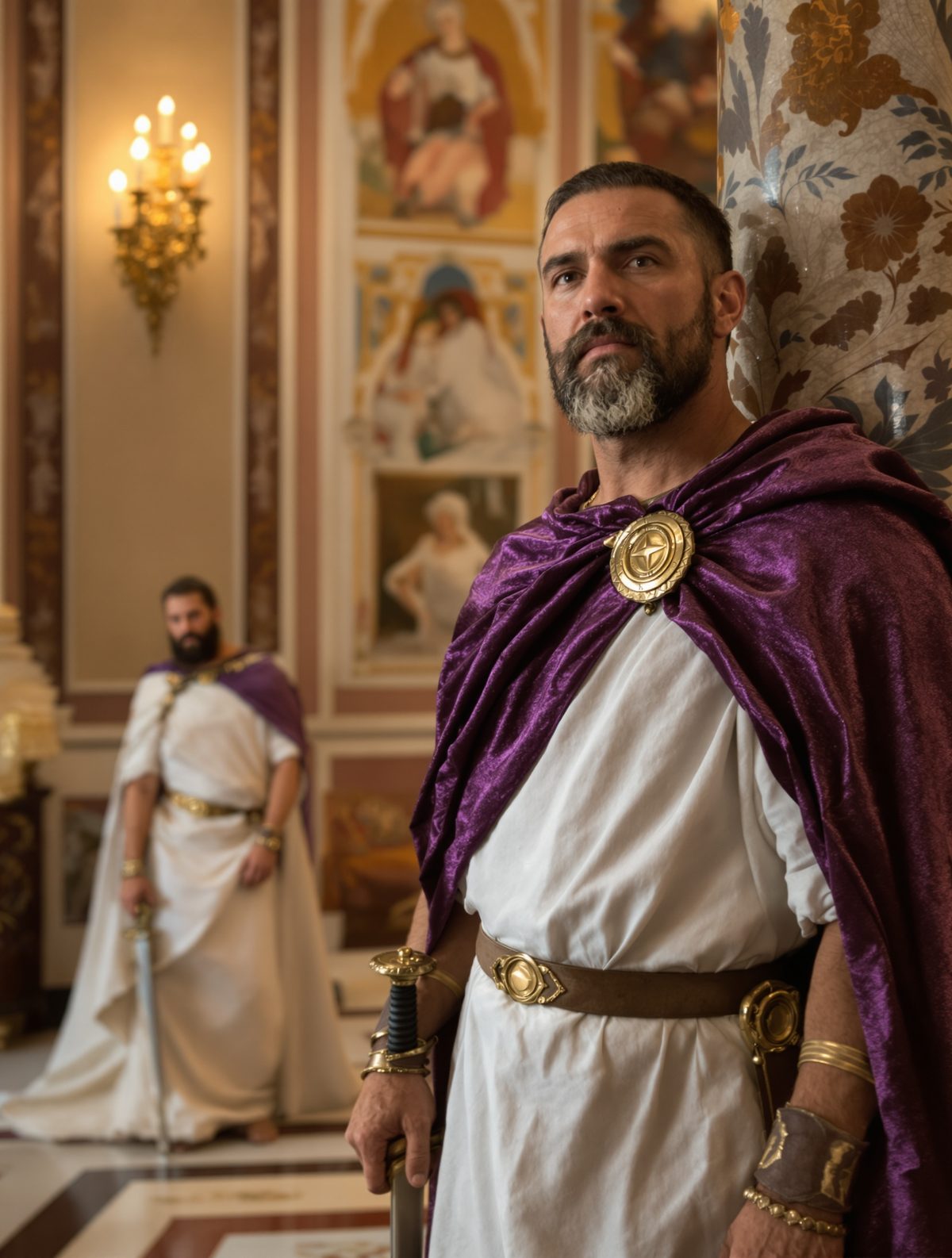
Picture a sun-drenched day in December 211 AD within the palatial walls of Rome, where the weight of an empire teetered on the edge of a single family quarrel. Just a few years earlier, Septimius Severus, a shrewd and formidable ruler, had enforced a daring legacy: two sons, two co-emperors, one vast empire. But as the dying breaths of Severus whispered through Rome's hallowed corridors, his dream of a unified rule shared by his sons quickly disintegrated. Fate, like a specter cloaked in treachery, loomed large, and in a room heavy with tense anticipation, fraternal bonds were about to be forever severed by a blade glinting in Rome's bitter sunlight.
A Fractured Inheritance
The year was 211 AD, a time when Roman ambition stretched from the sunlit shores of Hispania to the ancient lands of Egypt. Emperor Septimius Severus, a man renowned for his military prowess, had expanded and solidified Rome's borders. Yet, his most audacious legacy was not land but lineage. Severus's final will demanded shared power between his sons Lucius Septimius Bassianus, known to history as Caracalla, and his younger brother, Publius Septimius Geta.
Severus's intent was clear: unity through dual rulership. However, the experiment in co-emperorship was fraught from the beginning. Each brother harbored deep-seated grudges and diverging visions for their rule. Cybele, the nurturing yet politically astute Juliana Domna, their mother, could only watch as her sons’ enmity unravelled the empire's stability with alarming speed.
The Stage Set for Betrayal
Juliana's heart must have been heavy as she orchestrated what she thought could be a final reconciliation. On a fateful December day, in a secluded room meant for diplomacy and peace, Caracalla and Geta were to settle their differences. The room was styled in the opulence of imperial grandeur, rich velvets and mosaics rendering a grand portrait of power at its most civilized, concealing the brutishness lurking beneath.
Caracalla, the elder by a mere eleven months, was imbued with the confidence of a Caesar but plagued by jealousy and suspicion. It is said he entered that chamber not with open arms but with armed soldiers hidden in his wake. History shivers with anticipation at this convergence: two emperors encased within the silk and marble cocoon, with the fate of Rome weighing heavily upon their shoulders.
Blood on the Marble
Accounts vary, but one story prevails: as Caracalla and Geta faced each other, perhaps exchanging words tangled with ire and regret, Caracalla moved swiftly. A codeword spoken, perhaps a gesture changed, and the soldiers rushed forward at his command. In a whirl of chaos and clang of steel against marble, Geta rushed to his mother, seeking her protective embrace.
It was there, wrapped tightly in Juliana's arms, that Geta's life was extinguished by Caracalla’s blade—a chilling tableau of blood mingling with tears on imperial floors. Legend paints this as almost theatrical, a grim episode where even the walls of Rome seemed to echo with the anguish of a mother’s wail.
One Emperor, One Rome
With Geta's death, the path to singular rule was brutally carved. Caracalla wasted no time consolidating power, commanding purges that removed any hint of opposition. More than 20,000 men, loyal to Geta or merely unfortunate enough to be caught in the crossfire of suspicion, were slain in a perilous affirmation of authority.
The damnatio memoriae decree was enacted, erasing Geta from all portraiture, laws, and coinages. This was not simply a murder; it was an erasure, a calculated cleanse of history itself. Through the annals of Roman history, Geta’s ghost lingers—a specter banished by both crime and decree.
Consequences of Fraternal Fratricide
Rome stood unified, but the vision of Severus lay broken as Caracalla sat heavy upon the throne. His sole rule, marked by military campaigns and eventual assassination in 217 AD, was forged in blood. The ambitious experiment of shared power in the Severan dynasty died with Geta, supplanted by an empire once again under the sway of singular vision, though tainted by the memory of fraternal hatred.
The narrative was laden with lessons: how power’s intoxicating allure can corrupt, and how the personal vendettas of powerful men can shape the destinies of empires. Caracalla’s betrayal redefined Roman rulership, echoing through to the empire’s eventual decline, a portent of fractures that would, centuries later, shatter Rome completely.
Reverberations in Historical Memory
So why does this sordid tale resonate today? Beyond its lurid drama, the felling of Geta by his brother’s hand serves as a stark reminder that political power, in any era, remains perilous, fickle, and fraught with human fallibility. As echoes of history reach into the modern discourse, Caracalla’s treachery underlines that ambition unchecked by moral restraint often leads to destruction, not just of foes, but of legacies and dreams.
This story, though anchored in the past, is a potent reflection for contemporary leaders and citizens alike, urging vigilance against the tyrannies that arise from unchecked ambition and the erosion of shared governance. In closing, as we revisit the halls of power in our own time, let us carry forward the lessons of Caracalla and Geta—a story, much like a sword, with a double-edged truth.