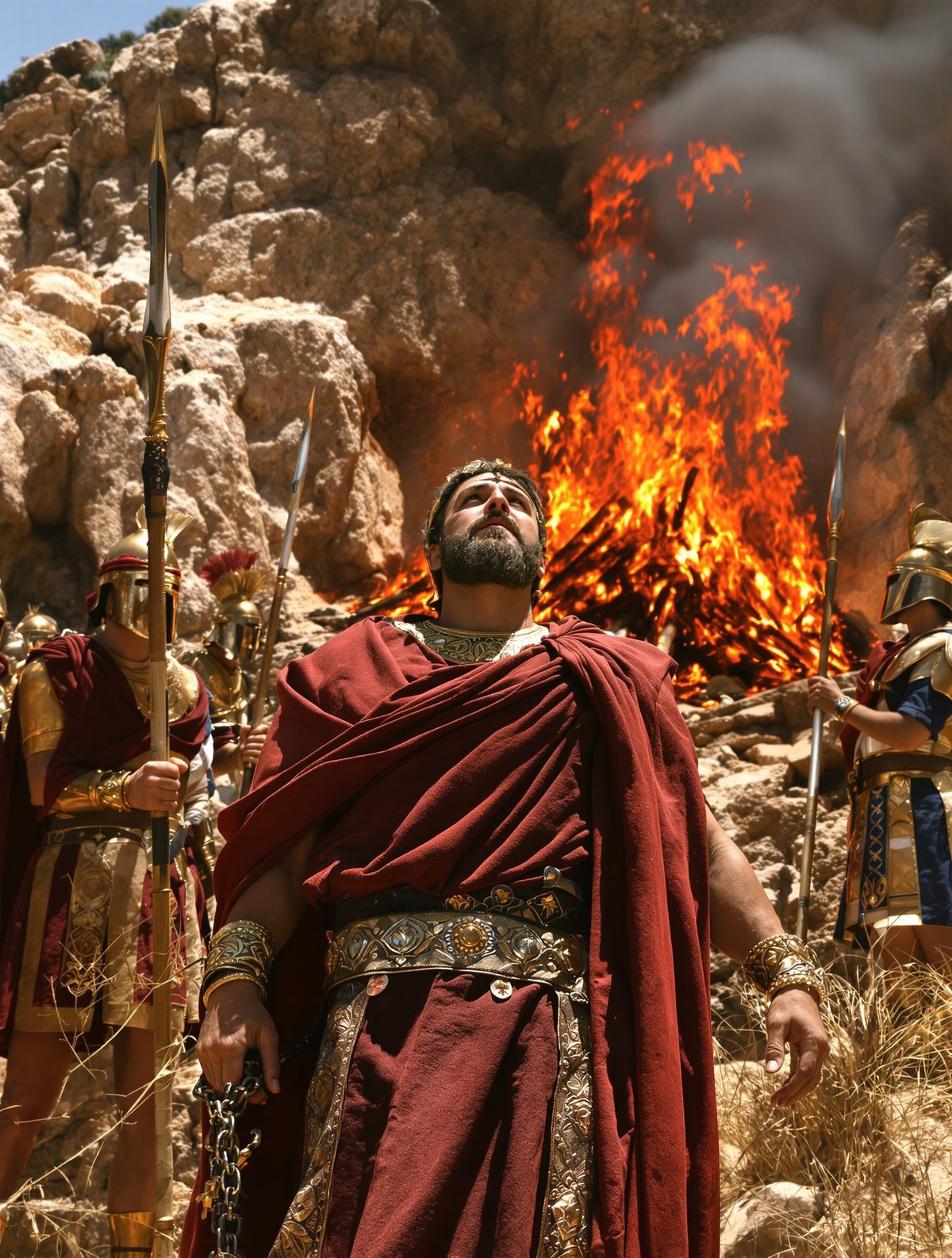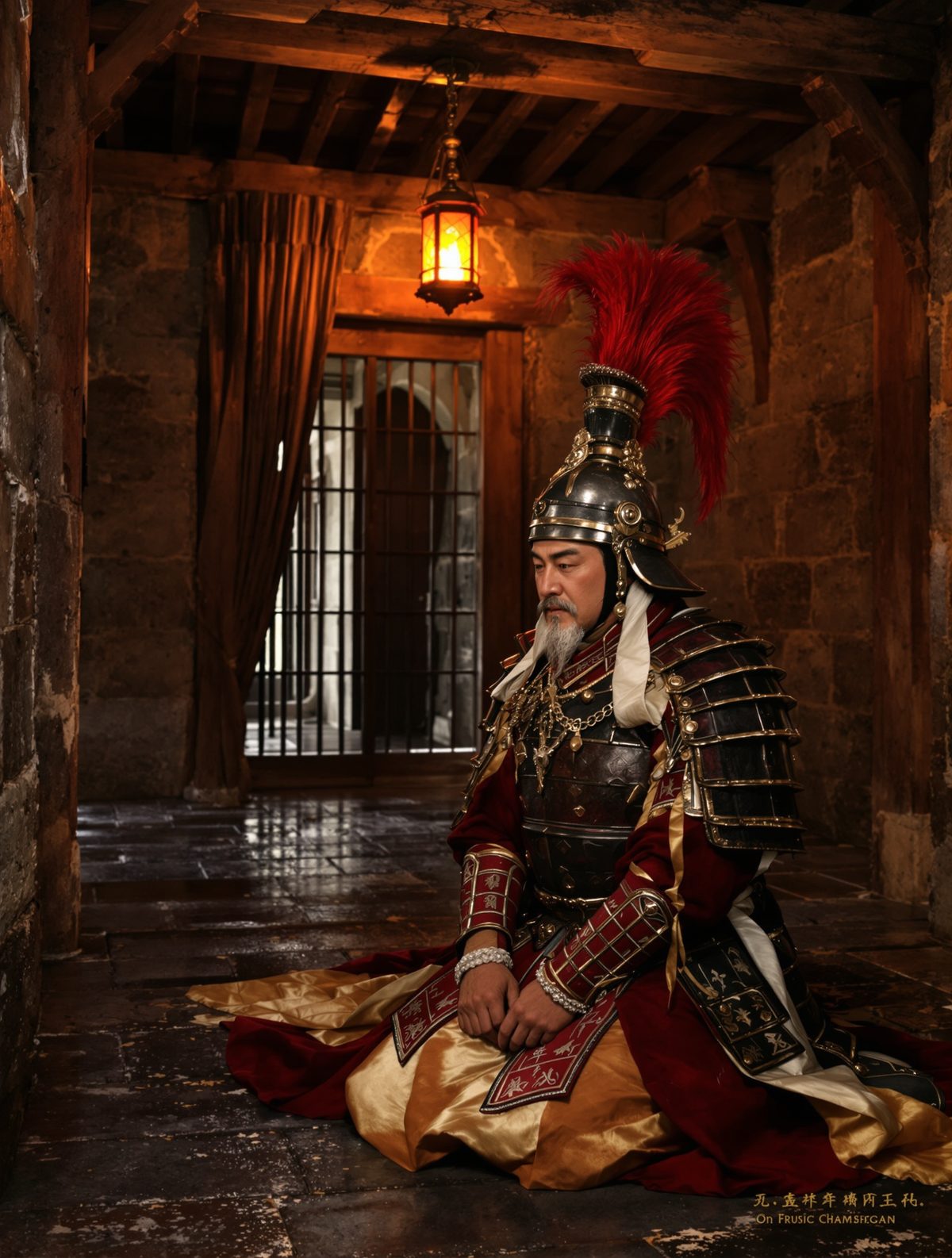
In the heart of medieval China, amidst the chaos of dynastic conflict and foreign invasion, a heroic figure rose to prominence. His name was Yue Fei, a brilliant military strategist whose loyalty to his country would become legendary. Despite his unparalleled success on the battlefield, Yue Fei met a tragic end—not at the hands of the enemy but by the very empire he had sworn to protect. This is the story of how China’s greatest general was betrayed, not by an adversary, but by his own emperor.
The Birth of a Hero: From Humble Beginnings to Legendary General
Yue Fei was born in 1103 in the Henan province of the Song Dynasty. From a young age, his life was marked by hardship. A devastating flood claimed his family's farmland and the lives of his siblings, leaving young Yue with an unyielding resolve to carve his own destiny. Despite the bleak beginnings, Yue Fei exhibited remarkable prowess in martial arts and literary studies, a rare combination that would serve as the foundation for his future success.
By 1122, Yue Fei had joined the Song military, quickly rising through the ranks due to his unmatched talent in strategy and his unwavering dedication. His induction into the imperial army coincided with one of China’s most turbulent eras—the Jin-Song Wars. The northern nomadic Jurchen people had established the Jin Dynasty and were carving a swathe through China, threatening to obliterate the Song Dynasty's southern heartlands.
Clawing Back the Empire: Yue Fei's Unyielding Campaigns
As the Jin forces advanced, Yue Fei distinguished himself through a series of brilliant campaigns that saw extensive territory reclaimed from the conquerors. Perhaps his most renowned campaigns were his incursions into the strategically critical He’nan and Shaanxi provinces. Under Yue Fei's command, the Song army consistently outmaneuvered the Jin forces, often defeating far larger groups with deft tactical maneuvers and relentless discipline.
The pivotal Battle of Yancheng in 1140 exemplified Yue Fei’s strategic genius. With an army of approximately 500 men, he faced a formidable Jin force of 100,000. Through keen understanding of terrain and psychological warfare, Yue Fei managed a staggering victory, inflicting devastating losses on the Jin. It was these battles that would enshrine him as a living legend and beacon of hope for the beleaguered Song Dynasty.
The Shocking Betrayal: Politics Over Warfare
Despite his victories, Yue Fei’s success became his downfall. In the court of the Southern Song Dynasty, emperor Zhao Gou faced mounting pressure. His ministers favored a peace treaty with the Jin, believing it to be the only way to preserve what was left of their kingdom. The prime minister, Qin Hui, particularly saw Yue Fei’s continued successes as a threat to his own political influence and devised a sinister plot.
In a fateful political maneuver, Emperor Zhao Gou abruptly recalled Yue Fei from the frontlines in 1141. Citing supposed “negotiations,” Zhao Gou ordered Yue's arrest upon his return. The charge? Treason. The heartbreaking truth was that his crime was not disloyalty—it was being too successful, his victories too resounding, and his figure too revered.
Caught in the web of court intrigue, Yue Fei was imprisoned at the age of 39. Qin Hui claimed Yue’s loyalty to the emperor had wavered, though no evidence was produced to support this grave allegation. After agonizing months in prison, the hero who had dedicated his life to his emperor and country was ordered executed. Yue Fei was quietly strangled in his cell on January 27, 1142.
The Aftermath: A Nation Mourns, A Legacy Endures
Yue Fei’s death sent shockwaves throughout the empire. While much of the court remained silent, the common people were incensed. Folklore recounts how peasants etched Yue Fei’s name on paper to express their grief and denounce the betrayal. Yue Fei's mother allegedly tattooed the words “loyalty and devotion to the country” on his back when he became a soldier, a fitting symbol of his enduring loyalty.
In the centuries that followed, Yue Fei's legacy only grew. Monuments were built to honor his name, and tales of his bravery were immortalized in Chinese literature. His story served as both a cautionary tale of political betrayal and a benchmark of loyalty and valor. The Song Dynasty, however, continued to wane, its public stripped of a symbol who had once restored their pride.
Reflections: Lessons From Yue Fei’s Tragic Fate
Today, Yue Fei’s story serves as a poignant reminder of the complex dynamics between military might and political power. His tale warns against the pitfalls of governance where political expediency trumps moral duty and loyalty is seen as a threat. As modern societies grapple with the paradoxes of power and governance, the story of Yue Fei remains profoundly relevant. It challenges us to reflect on leadership, sacrifice, and the true cost of political betrayal.
Yue Fei was not merely a general; he was a patriot who personified the very spirit of his nation. His life and untimely death are powerful testaments that even in betrayal, integrity and valor leave an indelible legacy—one that continues to inspire and resonate through time.