525 BC. Dust swirled ominously in the streets of Memphis.
The Conquest of Egypt
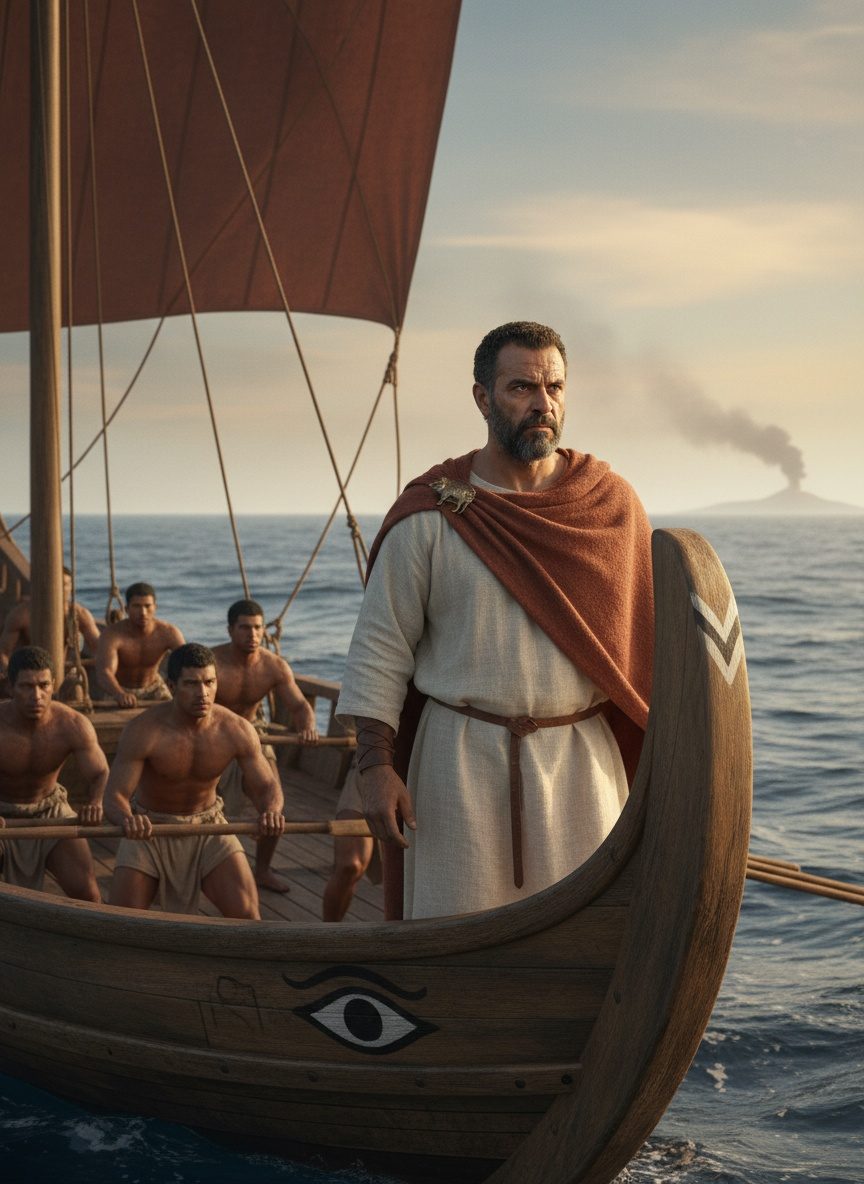
In the early months of 525 BC, Cambyses II, the king of Persia, led his army into the land of the pharaohs. The Achaemenid Persian Empire was an immense force, its territories spreading like ink across a map from the rugged Iranian plateau to the rich river valleys of Mesopotamia. Cambyses, son of Cyrus the Great, desired to subsume Egypt into his expansive realm. With strategic brilliance, his troops clashed with the Egyptian forces at Pelusium, a pivotal battle that was over almost as soon as it began. Tales of cats and other sacred animals tied to the Persian shields abound — a cunning, if cruel, psychological tactic by Cambyses that purportedly led the Egyptians, who reverently held these animals sacred, to falter in defense.
Pelusium fell in a swift and brutal afternoon, its values and most cherished beliefs possibly thrown into disarray. Cambyses’ campaign was brutal yet undeniably effective, and Egyptian resistance crumbled like papyrus in the desert heat. Victory marches through Egyptian terrain bore not just soldiers but also the weight of anticipation, an empire’s dreams of expansion manifesting in the sands of a newly conquered land.
The Pharaoh's Capitulation
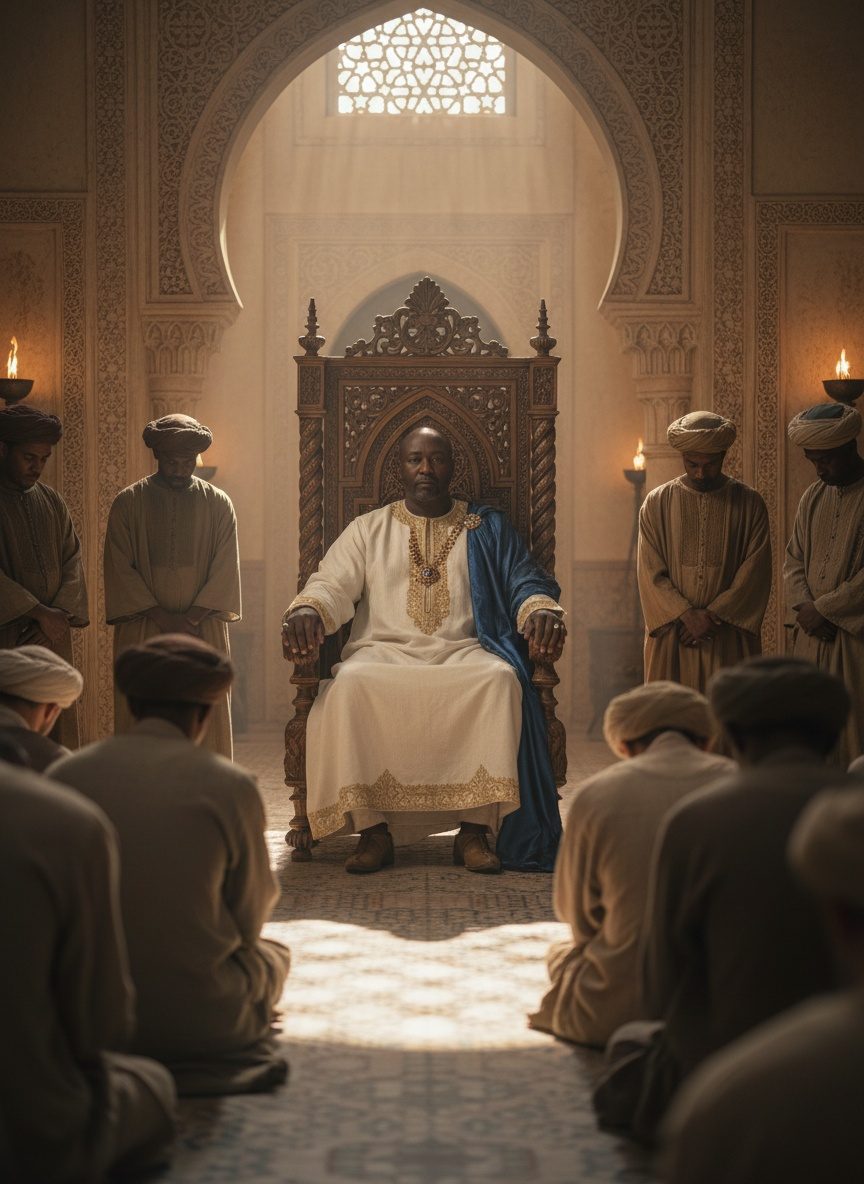
As the Persian forces approached Memphis, there was dread in the air. The city, an emblem of Egyptian power and religious heart of the realm, stood at the crossroads of change. Psamtik III, the last pharaoh of Egypt's 26th dynasty, had already been captured, and his people anticipated devastation, a typical fate for conquered capitals.
Cambyses, however, knew that to rule Egypt was not merely a matter of domination, but of understanding and, perhaps, cooperation. He entered Memphis not with flames, but with an enigmatic reticence. The conqueror's eye was not merely on dominion through destruction but perhaps a longer-lasting legacy achieved through respect. Despite the boastings of a mad tyrant in some Greek recountings, Cambyses’ entrance into the heart of Egypt was calculated and strategic, perhaps more so than the battles themselves. Yet what transpired shortly after would confound the annals of time and offer a glimpse into historical complexities that textbooks often miss.
The Silent Gesture at the Tomb of Apis
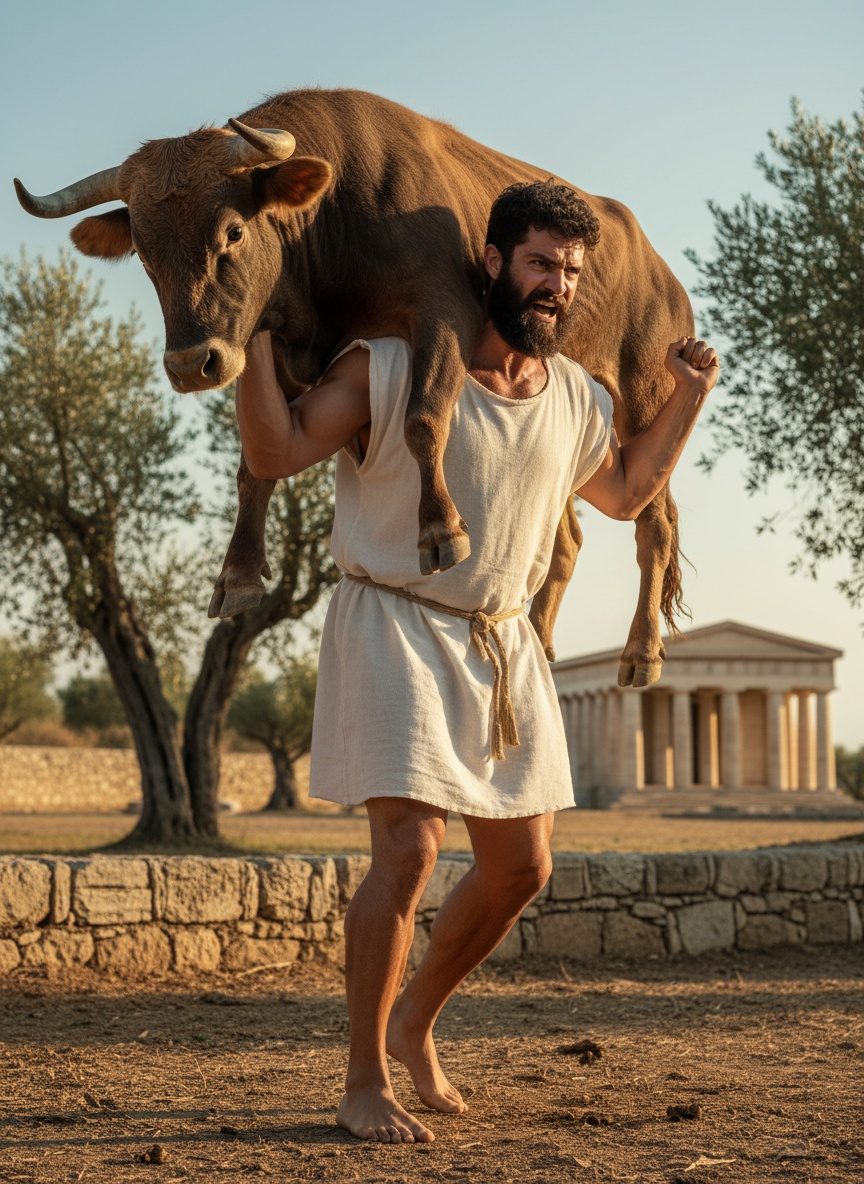
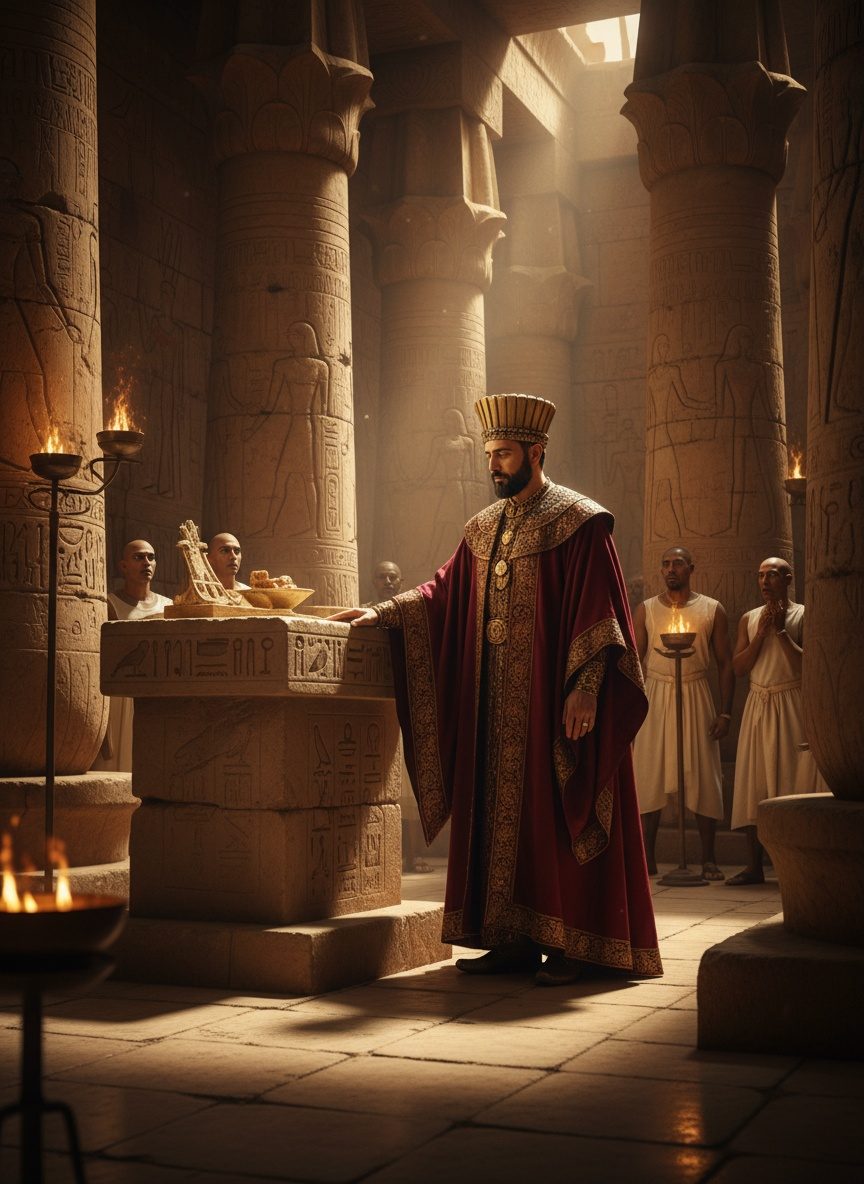
Amidst the swirling dust, Cambyses did something unexpected. As the dust settled, the Persian king did not commence a raid or dismantle the city's sacred traditions. Instead, Cambyses walked to the grand and solemn tomb of Apis, the bull-deity revered in Egyptian culture as a symbol of strength and fertility. The Herodotean account, much debated though it may be, suggests that the tomb was an architectural marvel of the known world, embedding both the spiritual essence and the timeless reverence of a civilization.
Before the tomb, Cambyses is said to have wept—a visible, deeply human response that astonished those who observed. To ensure further preservation of Egyptian culture, he ordered that the priests be paid, not harmed; that the bull deity be honored, not desecrated. His men, hungry for plunder, were forced to shift from the pillages of victory to the quiet awe of reverence. With that, Cambyses knelt, his brow low in reflective introspection, a surprising humility in the face of a fallen enemy's gods. It was an act fraught with layers, laden with meanings that weave through the tapestries of these ancient lands.
A Surprising Reverence
The act of kneeling, of offering homage, seemed incongruent with the typical behaviors of conquering kings looking to assert supremacy. However, it was a significant political maneuver; a recognition of the power held not just by the sword, but by understanding. Cambyses’ philo-Egyptian gestures hinted at pragmatism and, perhaps, admiration, a recognition that the strength of his empire did not solely rest on military might but on the melding of diverse cultures and traditions into the ever-sprawling tapestry of the Persian realm.
Historians wrestle with the motivations behind Cambyses's actions—stories softened and altered by the alchemy of time, mistranslations, and the suspicion of the Greeks towards Persians shaping narratives. Nevertheless, the layers of this story reveal a moment when empire and empires converged not in the roar of conflict, but in the silence of respect.
The tale of Cambyses at the tomb of Apis serves as an intimate glimpse into the fabric of history, an illustrative moment where the sweeping generalities of conquest are pierced by an unexpected humanity. In an era where might often dictated right, Cambyses’s actions remind us that even the most powerful can kneel — not in subjugation, but in understanding that every civilization, even one newly vanquished, holds its magic and power. As we glance back through history’s eye, in the dust-laden corridors of Memphis, we find much more than a conqueror but a nuanced leader who, against the expectations of history, bent the knee through compassion. It invites us to reflect: perhaps the true power of a leader lies not merely in conquest but in the capacity to honor, understand, and integrate the world he seeks to rule. A lesson, resonant in its echo, that continues to ripple through the pages of history.