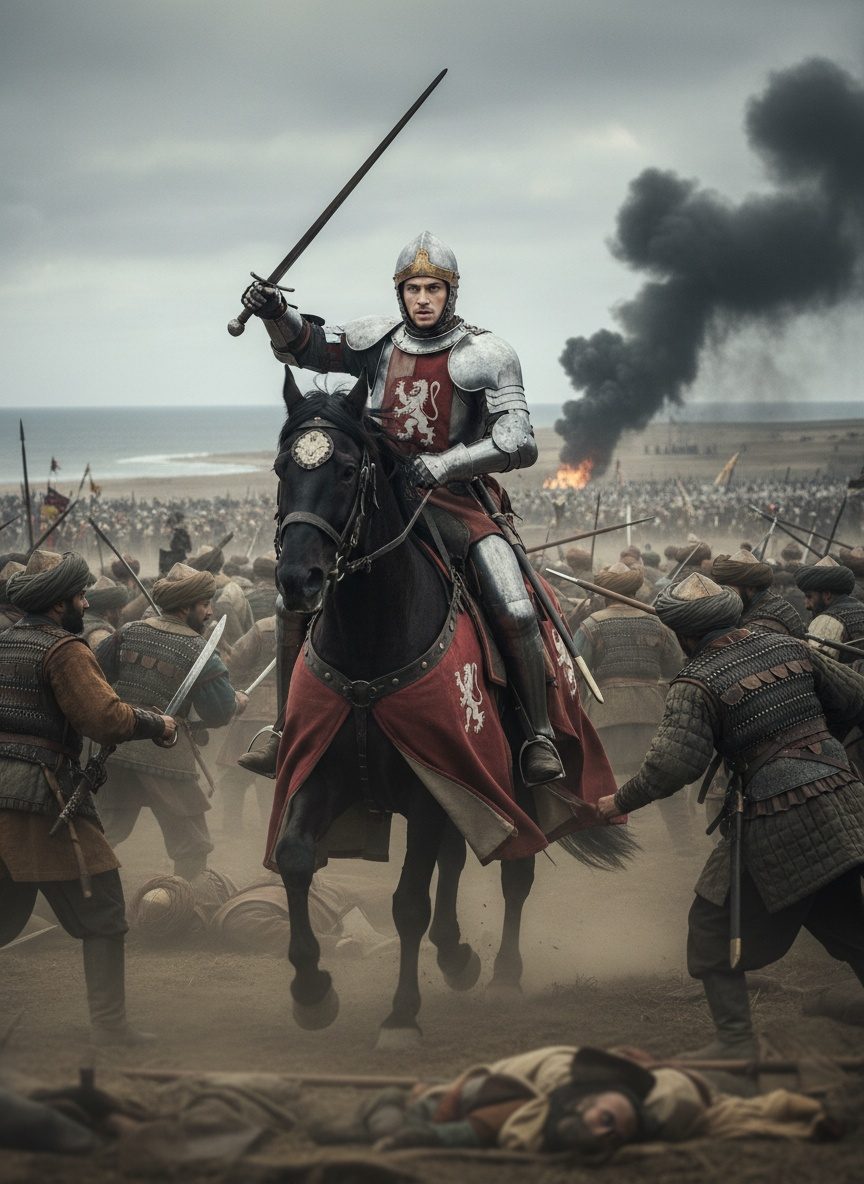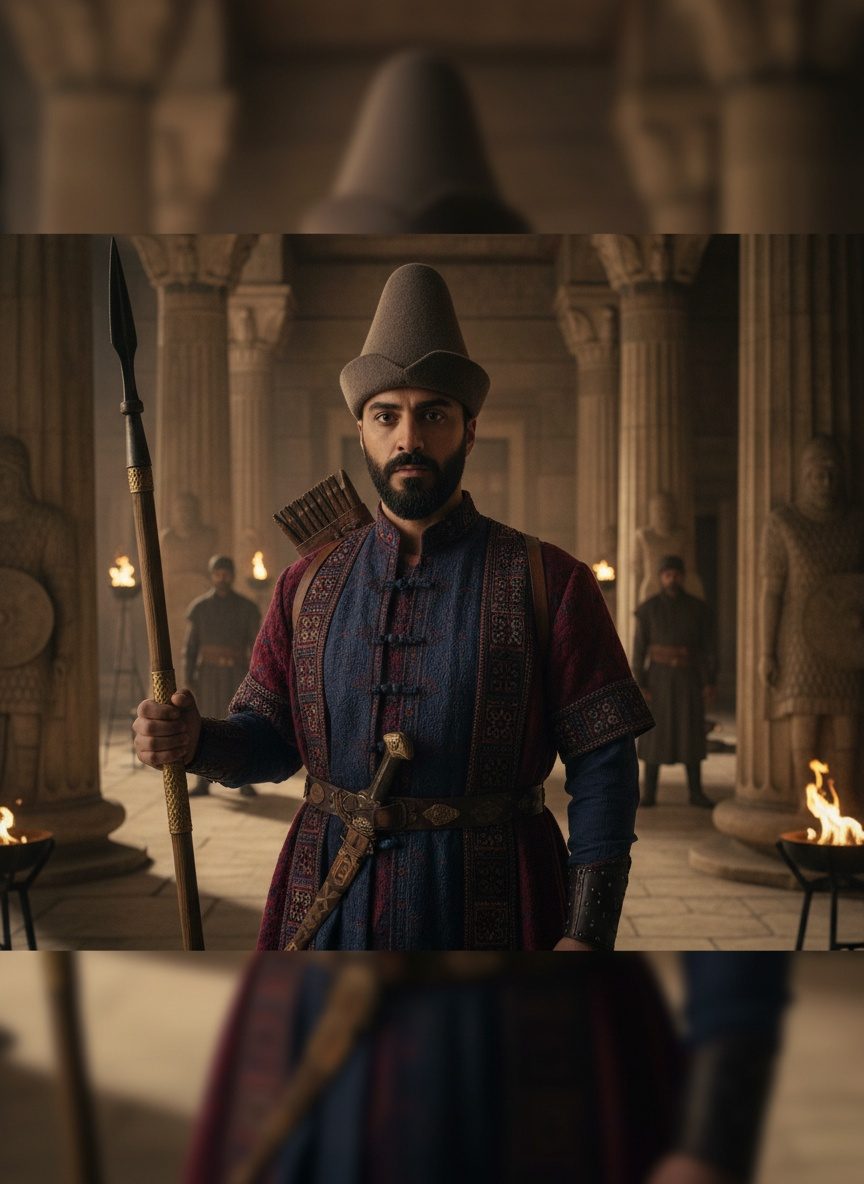
The wind was hot and relentless, sweeping over the vast stretches of sandy terrain, carrying the whispers of a land in peril. The Persian Empire, once a beacon of strength and order, lay in a crucible of chaos in 522 BC. Only the harsh cries of crows disrupted the uneasy silence, an omen of the turbulent times that lay ahead. In this climate of uncertainty, the stakes were nothing short of survival for an empire on the edge of collapse.
The Veil of Darkness Descends
With the sudden death of Cambyses II, the Empire was left without a clear successor. Amidst the desert landscapes of Persia, whispers traveled faster than caravans, each tale more outlandish than the last. Missing from the picture was certainty—a foundation crumbling as pretenders seized the throne, each claiming to be the rightful heir. The air was thick with plots and counterplots, as deceit mingled with the suffocating heat, threatening to splinter the empire into oblivion.
A veil of darkness enveloped the capital as three contenders battled for control, spinning webs of intrigue in the heart of the empire. The very structures of governance began to teeter, as regional governors pondered independence from a faltering central power. Among the populace, anxiety and despair festered, for the promise of stability had vanished with the dawn of Cambyses' untimely end.
A General's Desperate Gamble
Amidst this chaos, a young nobleman named Darius emerged from the shadows. Not yet king, nor crowned with any royal assurance, Darius was a mere general with neither army nor the advantage of numbers. Yet, his greatest tool was his unwavering resolve, a beacon of hope cutting through the pervasive gloom. Accompanied only by six companions, Darius conceived a strategem of incredible audacity—a plan that contradicted reason, staking the fate of Persia on a thin thread of hope.
Darius knew that relying on scattered loyalties and fragmented troops would not unite the empire. Instead, he relied on the element of surprise and the sheer force of his conviction. In those desperate moments, it was choice—not chance—that would crown Persia's future, shaping it in the crucible of one man's will.
The Fateful Ride to Susa
Under the cover of night, Darius and his six companions rode towards Susa, the heart of the conspiracy. The wind cooled as they approached, yet the sense of urgency only grew more palpable. Each hoofbeat was a drumroll of destiny, heralding the approach of the man who would challenge usurpers and reclaim a stolen crown.
Clad in mere simple robes, devoid of royal regalia, the seven riders became shadows merging with darkness. Beyond the gates of Susa lay their target—the impostor who sat upon the throne, ensnaring the empire in a vise of deception. Darius’ plan was straightforward yet alive with complexity: confront the false king, and through boldness and rightful claim, seize control of Persia.
The Showdown and the Aftermath
Upon arrival, the confrontation was swift and decisive. As sunlight breached the horizon, it cast long shadows in the throne room where Darius staked his claim. The confrontation was not one of simple violence but of political acumen—a contest where legitimacy and loyalty played leading roles. Before the eyes of stunned courtiers, and with the support of his few loyal companions, Darius revealed the pretender’s fraud, symbolically uncloaking the deceit that shrouded Persia.
The tension broke like a wave upon a distant shore, as uncertainty settled into determination. Darius was swiftly recognized as the rightful ruler. His decisive action did not merely preserve the empire; it redefined it. The purging of falsehoods and the restoration of just governance followed rapidly, cementing his role and securing the empire's previously imperiled future.
The Legacy of an Empire Re-forged
With Persia reunited under Darius, the legacy he forged was not one merely of reclamation but transformation. Binding disparate provinces into a cohesive whole, he cultivated an administrative structure that would become the blueprint for future governance, an enduring innovation. Although his ascension was unexpected, it came to exemplify the strength found in unity, resilience, and the courage to act against overwhelming odds.
In an empire that nearly dissolved under the weight of its own uncertainty, the actions of one determined general not only salvaged its continuance but spearheaded its evolution. The tale of Darius—of one man riding alone into chaos with nothing but a choice and a plan—reminds us that history pivots on singular moments of boldness. It underscores the profound impact one individual can have in the reshaping of empires, something not taught in schools, but compelling enough for history’s audience to ponder and share.