She was a senator's wife in ancient Rome, but she often outshone the men of her time. Her courage left the poets and historians of centuries to marvel at her audacity. Arria stood in an era when women were expected to embody chastity, silence, and obedience. Yet, she defied death itself with fearless resolve.
The Fatal Consequence of Treason
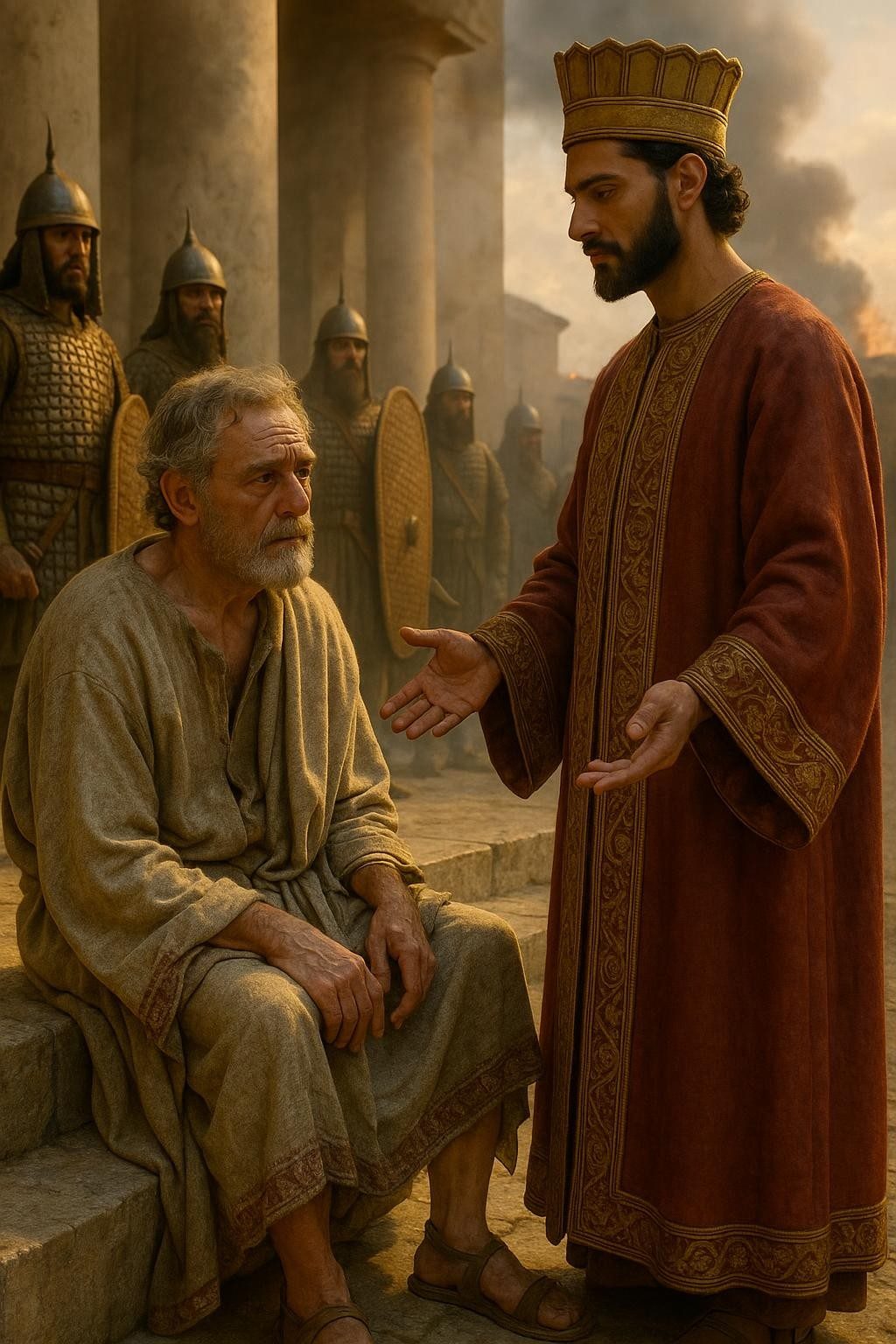
Rome of 42 CE was a place of intricate politics and deadly consequences. The streets buzzed with rumors, blending the grandeur of its architecture with the shadowy intrigues of its Senate. Emperor Claudius, a ruler known for his calculated judgments, saw threats all around him. One such threat was Caecina Paetus, a senator caught in the tangled accusations of conspiracy against the emperor. The price for such treachery was an inevitable death, cloaked in the form of "encouraged" suicide or execution.
In this world of political turmoil, wives were often left to despair in the shadows — or were they? Arria, the loyal wife of Paetus, chose a different path. Her strength was not in subversive plots or clandestine rebellion, but in the undying commitment to her husband’s dignity and her own values. When faced with the unbearable reality of her husband’s impending death, Arria did not recede into grief. Instead, she rose with a plan unscripted by Roman society; if death were unavoidable, it would be met with defiant grace.
A Woman's Resolve
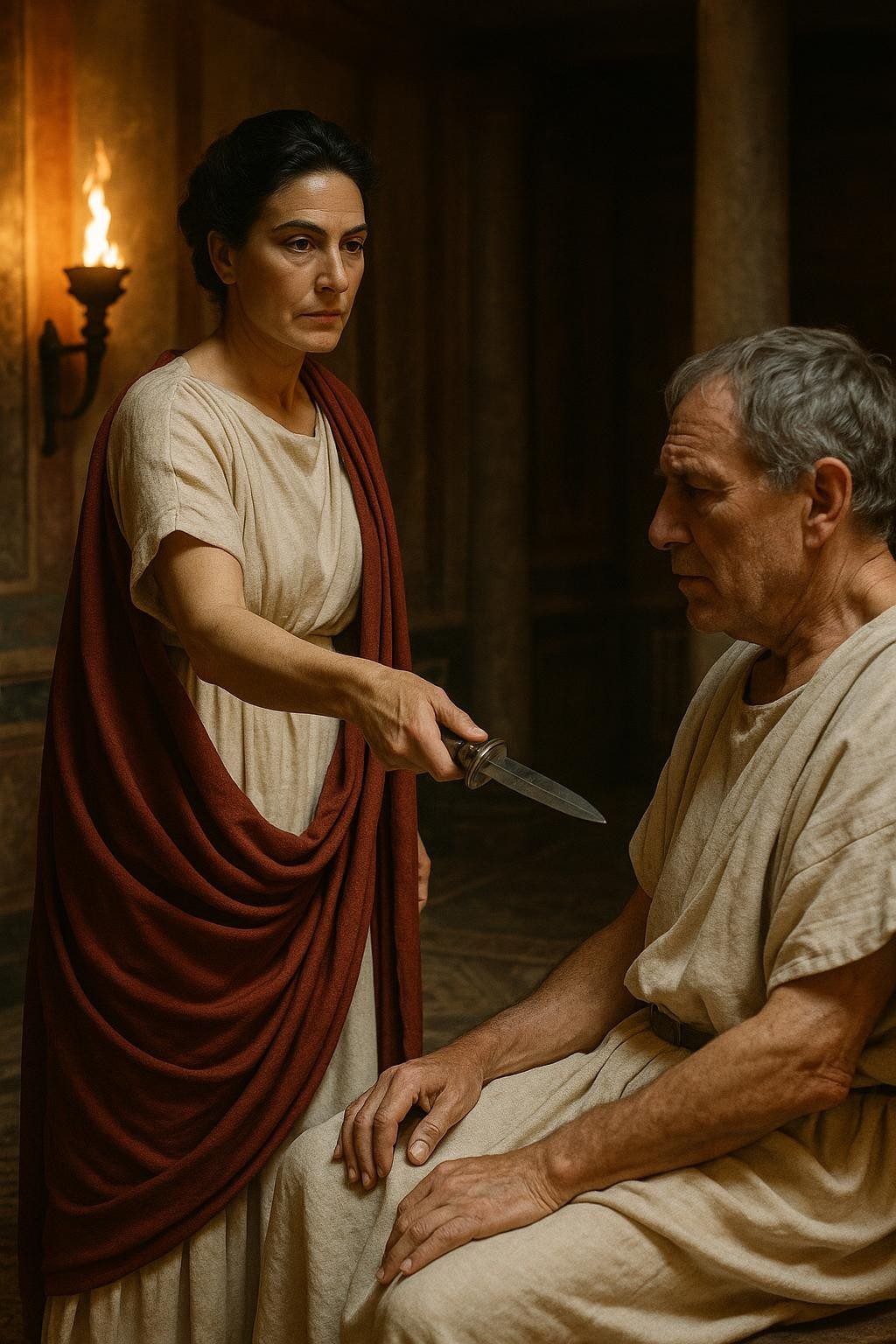
In those dire moments, Arria crafted an act so poignant that its ripples would extend beyond her lifetime. As a common ritual, death was a slow visitor in Roman households, dreaded and dwelled upon. But for Arria, it was a visitor to be greeted on her own terms. She took the dagger, her hands steady and purposeful, eyes unwavering as she made her choice. Piercing her own chest, she created a path for her soul, one unblemished by cowardice.
But this act was not purely for herself. It was a message to Paetus, to reassure him and bolster his resolve where politics had sought to destroy it. With the dagger now red, she offered it to him, a gesture heavy with both love and expectation. Four words escaped her lips — "Paete, non dolet." It does not hurt. Here, within a simple phrase, lay the depth of her courage and influence. With her dying breath, she redefined the narrative of women and death in their society, forcing those around them to reevaluate their notions of strength.
The Shivers Heard Across Rome
The news of Arria’s deed traveled faster than any Roman chariot. Whispers of her act crept through the corridors of power, sending shivers down the spine of an empire that prided itself on stoic bravery. While Rome was no stranger to the brutality of betrayal, Arria’s courage cast a mirror up to its citizens, reflecting the unexpected reservoirs of human resilience. Those four words transcended the ordinary farewell or the resigned acceptance of fate. Instead, they were a revolt against the fear instilled by the imperial regime, a reminder to anyone who would be challenged by despair.
The poets and chroniclers of the time, including the likes of Pliny the Younger, could not resist capturing this moment. It became a narrative of epic strength, soothing those it inspired, haunting those it reproached. In her act, Arria defied not only the eternal darkness of death but also the notion that women in her position might simply fade away under the weight of inevitable sorrow.
The Marks of Undying Courage
History often embraces tales of invincible generals and cunning politicians, but what of those whose memories are inscribed in the quiet act of defiance? Arria’s story endures as an attestation to the boundless depths of human courage, showing us how history is not crafted solely in stone and marble, but also in the undeterred whispers that echo across time. Her life — and death — articulate a voice calling out from antiquity, one that ceaselessly advocates for bravery even amidst the dense fog of adversity.
Perhaps it was not simply the words or the act that immortalized Arria, but the grandeur of spirit that they conveyed. By willingly embracing death, she not only gifted her husband with the strength to do the same but forever changed our perception of valor. Through her voice, we discover a world where expectations are subverted, where loyalty is not fuelled by fear but rather by an unwavering love that challenges the very fabric of history itself. Arria's tale is a silent roar, a woman’s voice that reverberates across the ages, reminding us that true courage often resides in those least expected.