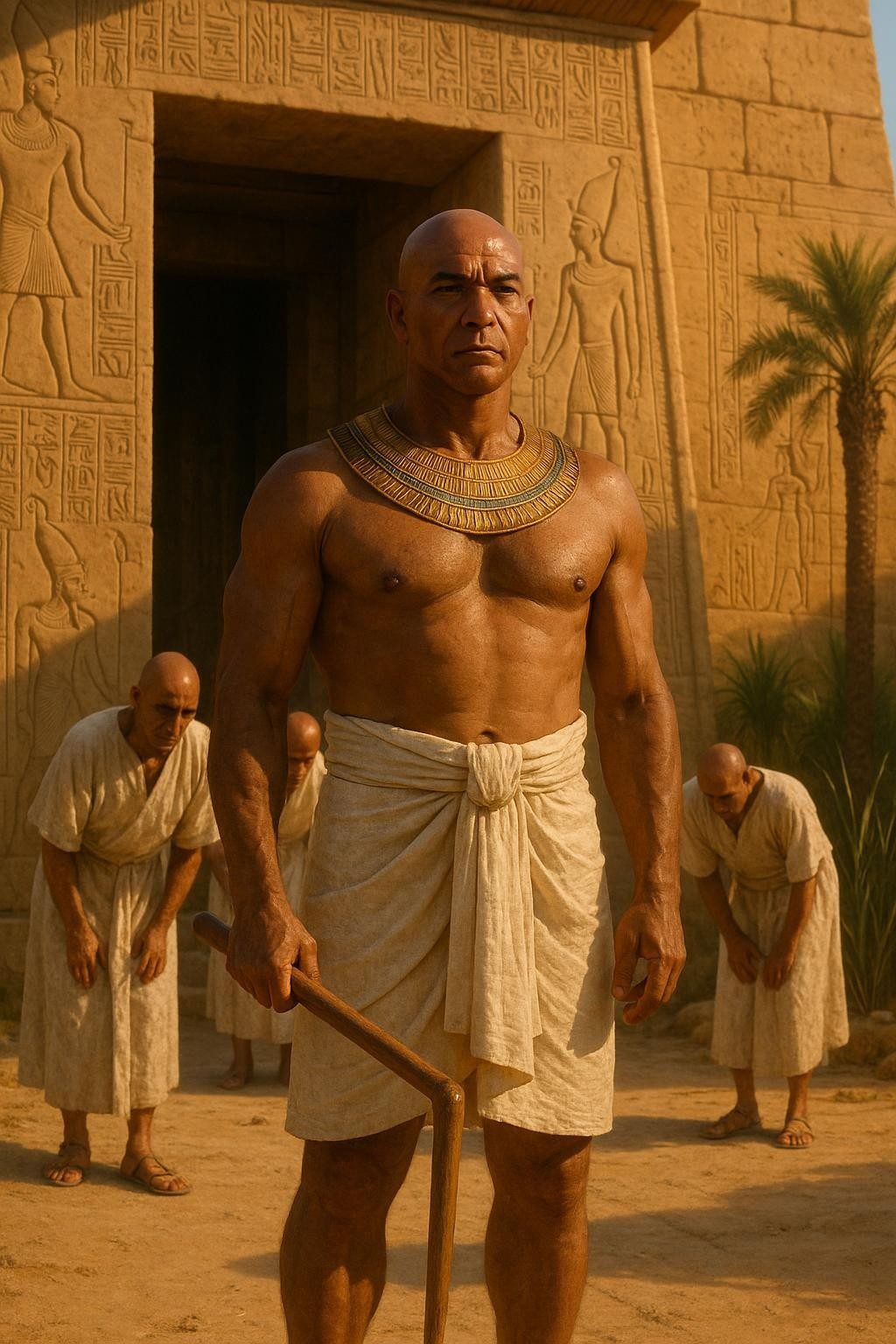
The reign of Akhenaten is often remembered for its sweeping religious reforms. But beneath the shadow of the abandoned divine, another story simmered — one of redemption and restoration, rarely remembered from pages of ancient history.
The Chaos of Change
In the late 18th Dynasty, around 1350 BC, Egypt writhed under the transformative edicts of Pharaoh Akhenaten, a ruler who dared to challenge the pantheon of Egyptian deities in favor of a singular god, Aten. Temples crumbled as the cults of established gods found themselves bereft of state support. Priests who once wielded enormous influence were scattered, and traditional structures teetered on the brink of collapse. The land gasped under the constraints of change, with the fabric of society strained to its limits.
Into this atmosphere of tension and upheaval came the child-king Tutankhamun, a mere boy thrust onto the throne of a kingdom in disarray. His fragile grasp on power perhaps lay as much in his inexperience as in the turbulent legacy of his predecessor. Yet, the thread connecting the past to Egypt's revitalization was not a thread of blood but one of loyalty and a common cause, embodied by a man named Horemheb.
Horemheb: Architect of Renewal
Horemheb was no son of the gods, but a man of the people. Rising through the military ranks on merit, his pragmatic leadership would prove pivotal during these trying times. Unlike many with ambitions to rule, he did not seek to seize the throne following Tutankhamun's untimely death. Instead, with steely resolve, Horemheb focused on the task at hand — the healing of a broken nation.
The temples, those once-holy bastions of spiritual and economic power, bustled back to life under Horemheb’s administration. Celestial balance was restored as the once-banned deities were welcomed home. Starving priests found solace in the revitalization efforts; their chants soared once more in the temple halls. This meticulous restoration was not a mere return to the old ways, but a reweaving of Egypt’s core around unity and continuity.
Horemheb's decision to forgo bloody retribution against his enemies and former dissenters of the state was a bold and radical act in itself. He spared those who disrupted the established norms, emphasizing the continuity of governance and clemency over vendetta. In doing so, Horemheb crafted a foundation not just for political stability, but a model of statecraft grounded in pragmatism and foresight.
A Kingdom Remembers
While much of ancient history is chronicled with bloodshed and conquest, Horemheb’s legacy carries a different flavor, one that Egypt did not forget. His ability to suppress the violence that routinely followed succession crises allowed for an unprecedented period of recovery and prosperity. It was an era where old gods and their temples were not just restored but reinvigorated, capturing the imaginations of a people yearning for their ancestral connections.
Historical records speak less of grand battles and more of administrative genius during Horemheb’s time. Administrative reforms brought coherence back to a fragmented state, and Egypt’s art, culture, and economy rose from the ashes of ideological ruin. Every brick laid in temple restoration became a foundation stone for a collective mnemonic of survival and adaptation.
His was an era where the whispered prayers of priests and the clinking of masons’ tools underscored a thoughtful return to greatness, rather than the raucous successions of kings instead portrayed through the annals of Pharaoh-centric narratives.
Why Amenhotep’s Decisions Still Resonate
In a world that often equates power with dominance, Horemheb's gentle yet firm approach serves as a profound counterpoint. His acts of mercy and careful governance would seed stability well into the next dynasties, highlighting a seldom-seen aspect of strategic benevolence in leadership. This part of the Egyptian saga reminds us of the enduring power of restoration over destruction, of unity wrought not from might but from shared purpose.
His choices echo through the halls of history, illustrating that lasting legacies are not built on the foundations of obliterating rivals but in the act of bringing them into the fold. Horemheb's Egypt stands as a timeless testament to the profound strength inherent in mercy — a story that history did not forget, though it is rarely told.