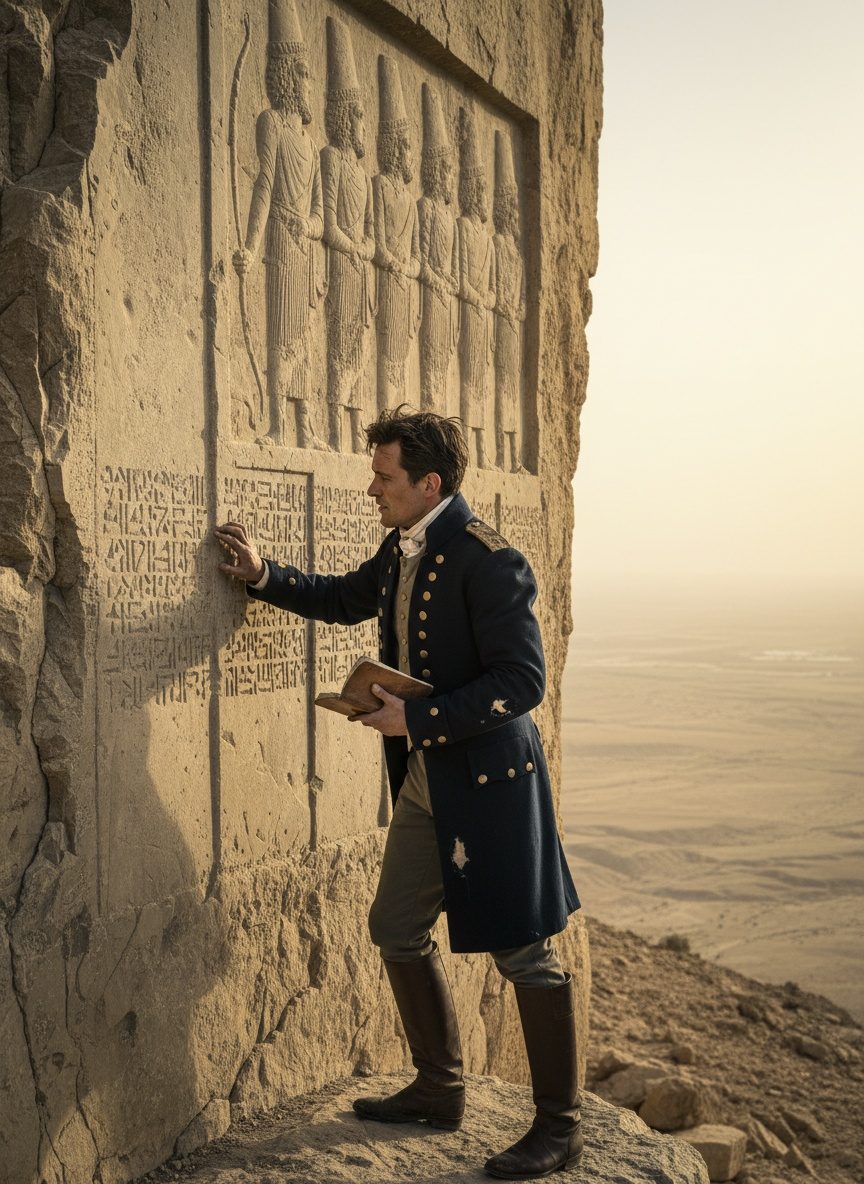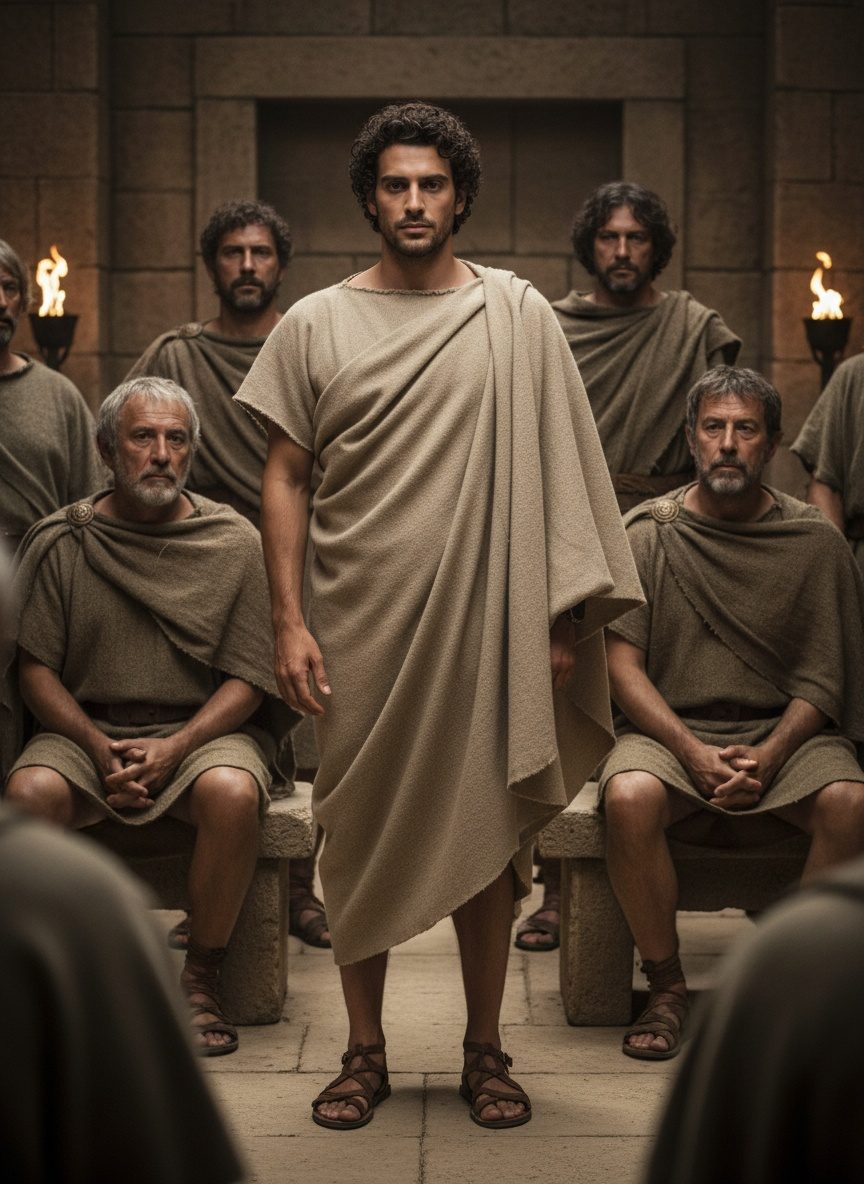
415 BC. The dust swirled in the harbor of Athens as oars prepared to cut through the sea.
The Ambition of Alcibiades
In the heart of Athens, ambition stirred in the shadow of the Parthenon. Alcibiades, dashing and charismatic, stood at the forefront, blending charm with cunning. Born into the privileged Athenian elite, his youth had been colored by the philosophical guidance of Socrates and the sharp edge of political ambition. Yet, it would be his audacity and strategic mind that would define the fate of Athens—and himself.
The year was 415 BC. Athens, confident and resolved, sought to extend its power across the Mediterranean. But Sicily, the land of fertile plains and rich resources, was the prize that drew the city-state's greatest military venture. As ships gathered to embark on the Sicilian Expedition, Alcibiades found himself at the center of a grand opportunity—a chance to carve his name into the annals of history as the architect of Athens’ greatest triumph. Yet, this would be the stage for his first act of betrayal.
A General's Vanishing Act
The expedition set sail with hope and resolve as its companions. The sea mirrored the drama unfolding; calm and treacherous all at once. Underneath the surface, political currents swirled. Back in Athens, scandal erupted. According to reports, sacred statues had been mutilated in the nights leading up to the departure, ominous signs of sacrilege. Fingers quickly pointed to Alcibiades, and his enemies seized the moment to bring him to trial upon his return.
For Alcibiades, the allure of glory was marred by looming misfortune. Called back to Athens to face charges, he took a different path. It was a decision heavy with risk, and he chose to abandon his homeland. Underneath a starry sky, he absconded from the expedition and slipped away, eventually finding refuge in the rival polis of Sparta. The general had vanished, embracing the ultimate act of betrayal.
Alcibiades in Sparta: The Enemy Within
Sparta, austere and formidable, offered a stark contrast to the democratic vibrancy of Athens. It was here that Alcibiades, with silken words and strategic brilliance, wormed his way into the Spartan court. With him came secrets, those that would unravel the Sicilian Expedition. His betrayal was complete; he divulged information that turned the tide decisively against his former city. To Sparta, Alcibiades was a weapon. With his insights, the expedition that had promised so much for Athens ended in unimaginable loss—a defeat that shook the city to its core.
Yet, Alcibiades was no ordinary defector. In Sparta, his charms won him an audience and the favor of the Spartan king—and perhaps, even the affection of the king's wife, if rumors are to be believed. Still, the chameleon had not lost his fondness for drama and change. His loyalty, as always, was to himself. When his welcome in Sparta grew cold with suspicion, Alcibiades vanished once more into the shadows of intrigue.
A Return to the Unpredictable Embrace of Athens
Predictable only in his unpredictability, Alcibiades had yet another act to perform. His labyrinthine journey took him to Persia, manipulating alliances, negotiating deals, always strategizing for personal advantage. But a twist of fate and fortune led him back toward Athens, a city now desperate and beleaguered. Invited to return as a savior, he walked the familiar streets with an air of triumph, a prodigal general with his own home caught in a slow ruinous war.
Alcibiades’ adventures highlight the complexities of Greek politics—the ever-shifting loyalties, the fine line between hero and villain. His actions persist in captivating scholars, not just for their political impact but also for their theatrical embellishments. Here was a man who danced on the edge of empires, trading secrets and shaping destinies, reckless yet inexplicably adept at survival.
In the end, Alcibiades teaches us about the precarious nature of power, the dual blade of charisma and ambition. His story is an echo from the battle-torn days of ancient Greece, reminding us that human nature, with its bold ventures and treacheries, harbors both the makings of greatness and the seeds of downfall.