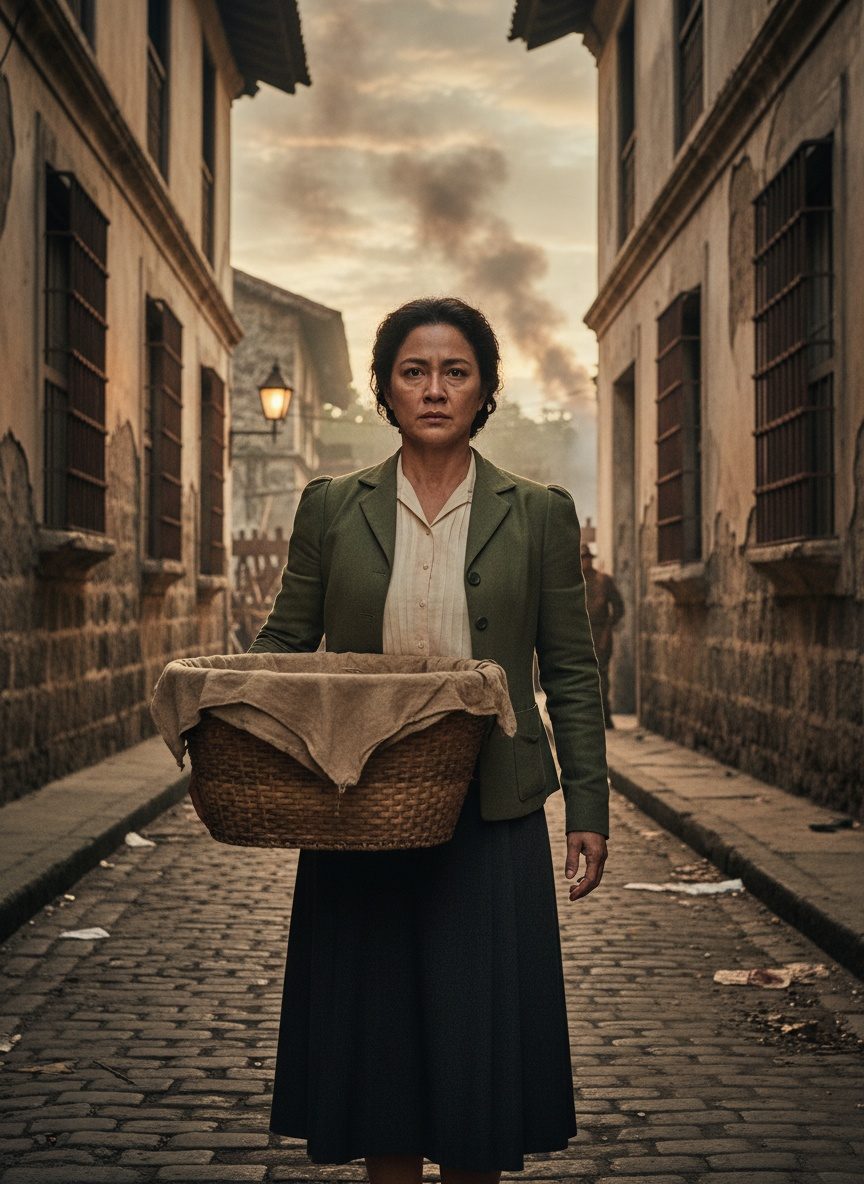
January 2, 1942. Smoke billowed ominously over Manila.
The Japanese forces were closing in rapidly, their presence a storm cloud over the bustling city. Yet, amidst the chaos, a singular figure stood unwavering in her resolve. Josefa Llanes Escoda, the woman behind the inception of the Philippine Girl Scouts, saw a duty far greater than her own safety. As the city trembled under the onslaught, Escoda transformed her home into a clandestine sanctuary, a beacon of hope amidst the encroaching darkness. Her remarkable determination in the face of overwhelming danger laid the groundwork for an extraordinary chapter in the annals of heroism.
A City on the Brink
Manila of early 1942 presented a tumultuous scene. Japanese military forces, emboldened after their surprise attack on Pearl Harbor the previous December, had swiftly turned their attention to the Philippines, aiming to tighten their grip on the Pacific. As the capital city braced for an impending siege, an exodus of foreigners unfolded. Nurses, businessmen, and expatriates hurried to evacuate, seeking refuge from the inevitable storm. For Josefa Llanes Escoda, every passing moment was a reminder of both the approaching peril and her commitment to those left behind.
Determined not to abandon the Allied prisoners of war who faced an uncertain fate in Japanese-occupied camps, Escoda leveraged her training as a nurse to provide medical care and sustenance. Her background as a founder and leader of the Girl Scouts in the Philippines had instilled in her unparalleled organizational skills and resourcefulness. These traits became indispensable assets as she and her network of clandestine operatives devised means to smuggle food, medicine, and letters to captive soldiers.
In a city where fear pervaded the air, Escoda's actions exuded a resilience that resonated deeply with those around her. Her modest home in Manila became a nexus of resistance, with brave souls taking up the mantle of aiding the prisoners through discreet operations. The palpable tension felt throughout the city forced ingenuity and secrecy to the forefront; not a detail could be spared in this delicate dance against oppression.
Escoda's every movement was shadowed by the tightening grip of Japanese forces. Their presence seemed inescapable, patrolling streets with stone-faced precision. Yet, determination fueled her every step, transcending the confines of fear as she wove through checkpoints, carrying contraband that held the potential to save lives. Her strength was matched only by her compassion, qualities that garnered her unwavering loyalty from friends and acquaintances alike.
The Beating Heart of Defiance
The ingenuity behind Escoda's network cannot be understated. It was a carefully orchestrated operation, whose success hinged on absolute secrecy. With each day, the challenge became both more daunting and vital. Occupation forces grew increasingly vigilant, honing their efforts to detain any who dared defy their reign. Yet, these conditions only galvanized Escoda and her associates.
Stealth and strategy characterized their missions. Simple household items became vessels of sustenance—canisters of food repurposed to harbor concealed medicines, letters hidden within the folds of clothing. Every successful delivery was a quiet triumph, a successful breach in the oppressive encirclement around Manila's prisoners. Escoda's actions empowered others, catalyzing a collective movement whose ripples would extend far beyond the immediate moment.
The operation's audacity found its roots not only in Escoda's personal courage but also in her detailed knowledge of Manila's labyrinthine streets and hidden alleyways. Over time, this patchwork of routes transformed into channels of critical support, driven by human ingenuity and a defiant will to resist. It was a subtle symphony where courage lay in subtlety, each note played in whispers and furtive exchanges.
Beyond smuggling essentials, Escoda emerged as a lifeline of empathy and morale. Her bravery became a rallying point, a testament to the enduring strength of the human spirit against overwhelming odds. Each survivor aided testified to the power of unity and selflessness—a beacon of hope in a time when darkness threatened to smother the city altogether.
The Lasting Echo of Courage
Josefa Llanes Escoda's daring actions remained an unyielding emblem of courage till the very end when, after three years of unwavering dedication, her operations were compromised. At the age of 47, she was ultimately apprehended by Japanese forces, ending a remarkable chapter in the story of Manila's wartime resistance. The ramifications of her capture reverberated through the community she so fiercely protected, a poignant reminder of the sacrifice required to shield others from harm.
However, the indomitable legacy of Josefa Llanes Escoda journeyed beyond the immediacy of her fate. She sowed seeds of resistance that bore fruit long after the war had ended. Her story encapsulates a poignant lesson in the resilience of the human spirit, the power of compassion, and the lengths to which individuals will go to uphold their principles. Even when faced with seemingly insurmountable challenges, Escoda chose to stand fast, an emblem of unwavering altruism.
In the broader tapestry of World War II's narratives, Escoda's tale offers a glimpse into lesser-known acts of bravery that unfolded in the shadows. It compels us to ponder the untold stories of countless others who, like Escoda, forged their destinies amidst adversity. Her legacy serves as a beacon for the enduring battle against injustice and tyranny—a testament to the profound impact of a single life, resolutely anchored in empathy and courage.