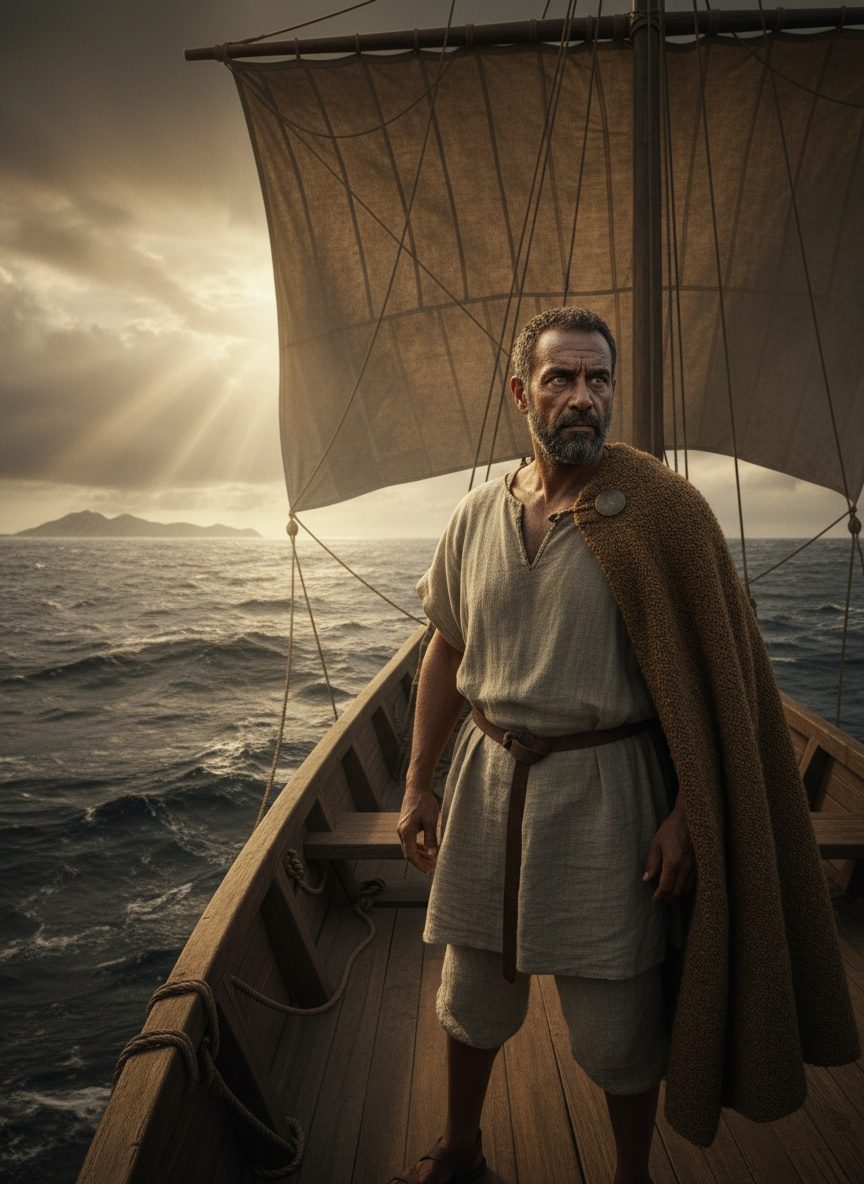
The sun beat mercilessly on their backs, the smell of salt and seaweed filling the air as they heaved the sails into position. The Phoenician vessel cut through the unknown waters with a majesty that belied the uncertainty of its navigation. There was no map, no star to guide them as their galleys ventured further from home than any had dared, their course determined by nothing more than the Pharaoh's sovereign decree and their own unwavering resolve.
A Pharaoh's Imperious Command
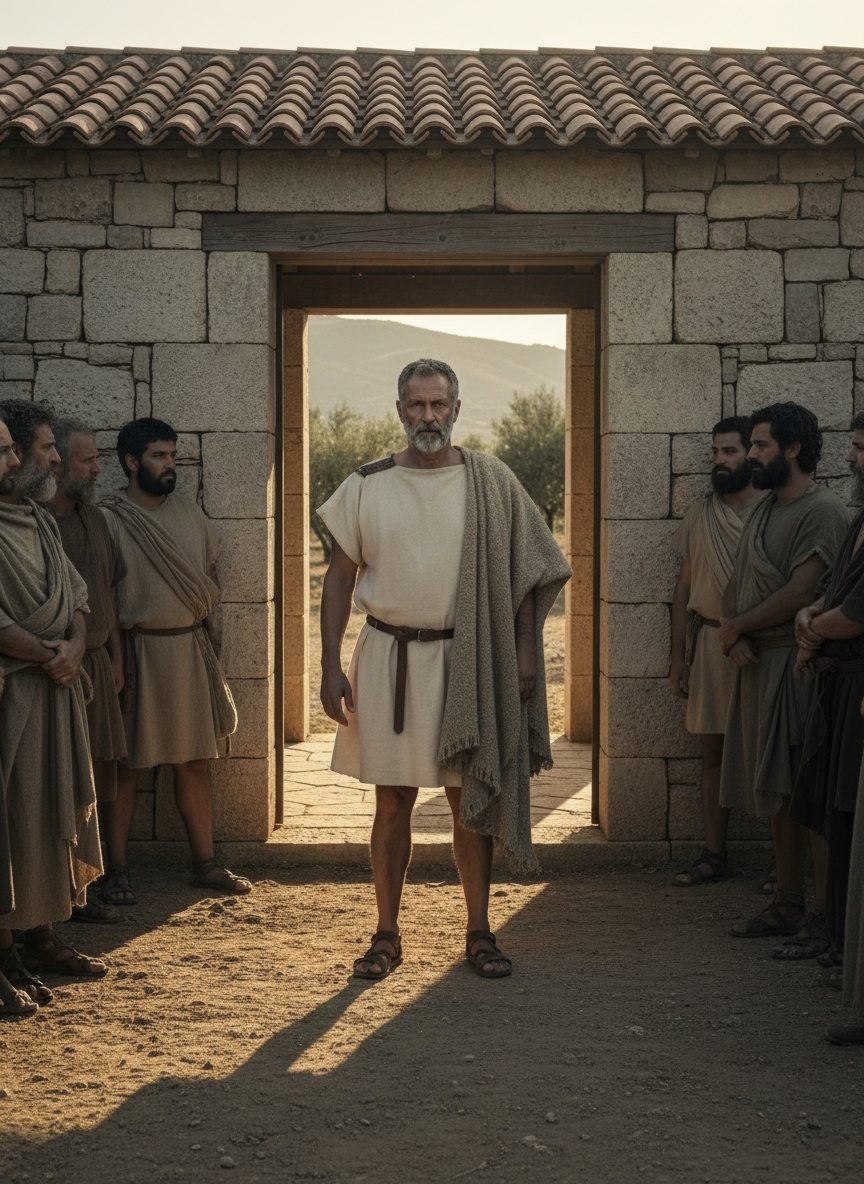
In the annals of Ancient Egypt, the name Necho II resonates with ambition and innovation. His vision was as boundless as the horizon. Somewhere in the bustling courts of Memphis, in the year 600 BCE, Pharaoh Necho II conceived an audacious plan: to encircle the vast continent of Africa. Armed with unwieldy knowledge that the landmass extended indefinitely to the south, Necho commanded his fleet of Phoenician sailors to embark from the Red Sea and chart what lay beyond the limits of the known world.
The Phoenicians, renowned mariners from the Levant, possessed expertise that made visions of uncharted waters seemingly conquerable. Necho had chosen wisely; their ships, slender and robust, were adept in braving the treacherous seas. Nonetheless, the enormity of the task was staggering. This was no mere expedition for glory; it was a trial against the very forces of nature that had rebuffed human curiosity for centuries.
The Unsparing Elements
With every sunrise and sunset, the Phoenician sailors contended with tempests and doldrums, their destinies swirling with the winds. Trusting only to the sight of the uneven shores, the navigators held a course through changing hemispheres. Were it not for the abundant maritime sensibilities absorbed from their forefathers, the mysteries and monsters of the Southern seas would have devoured both crew and courage before the journey had truly begun.
These seafarers were not just weathering storms—they were charting the wayless sea. Ornamented only by endless waves, their stories speak of giants rising from the water and wild cries cutting through the surf. Whether these tales were born of delirious sunstroke or the raw imagination of men who felt the weight of their isolation, they painted a vivid image of the sailors' struggles against myth and memory.
Rounding the Cape of Legends
Two years into their journey, with food scarce and mutiny nigh, the sailors' perseverance bore fruit. As their keels scraped past the southernmost cape, now theorized to be the Cape of Good Hope, they beheld not despair, but promise. The African continent now stretched to the north of their prow, the reversal of the sun's arc a persistent reminder of the impossible made real.
Upon making camp along the coastal inlets, they laid claim to the land's bounty. The arduous labor of their voyages—filled with peril and deprivation—had finally delivered them sustenance and salvation. Theories persist that these well-pressed sailors brought no compass nor clock; rather, their experience became the stars by which they steered. Each coastal stop was a lesson in survival, a study in the distinctions between the maps in their memories and the world they traversed.
The Unveiling of Their Odyssey
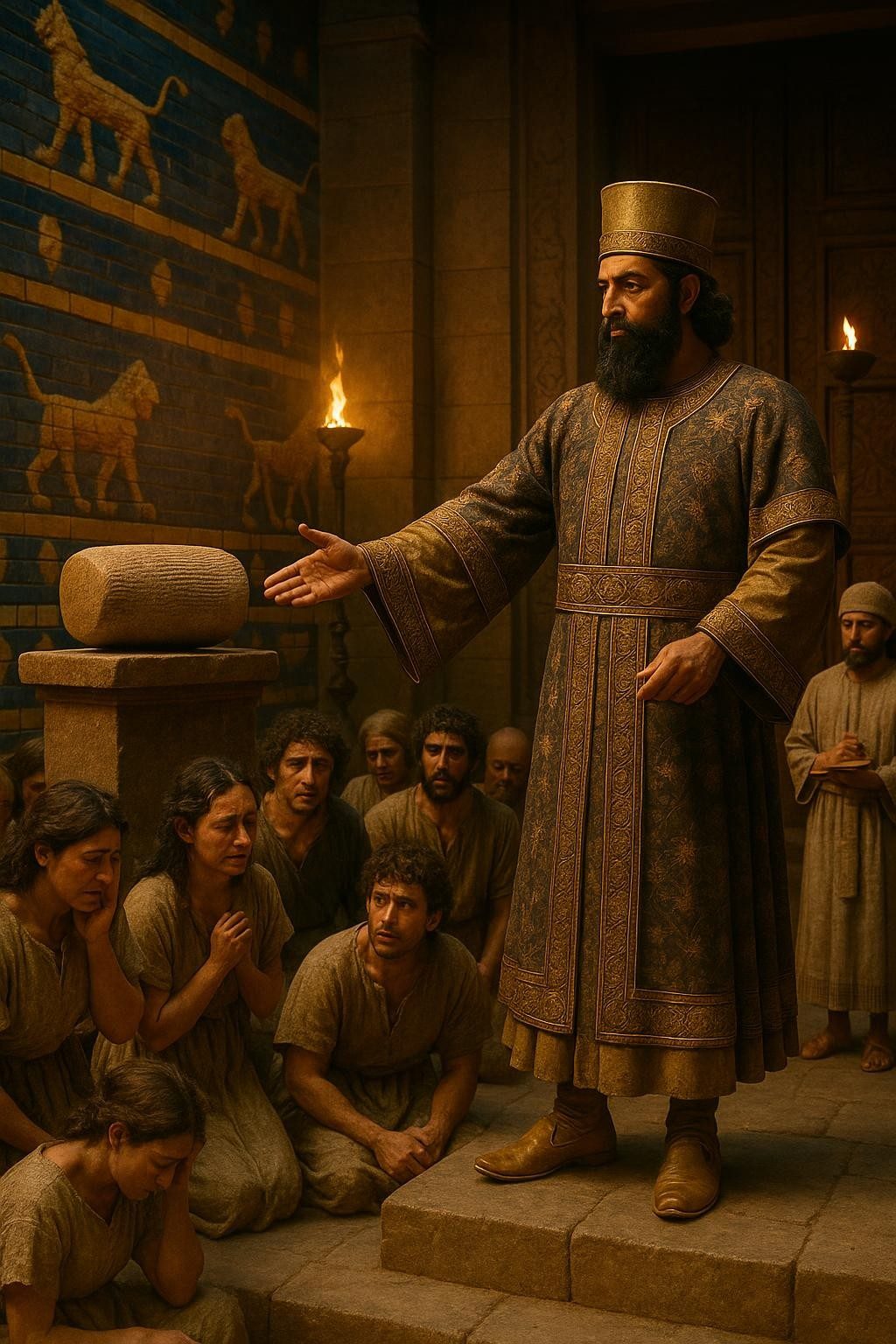
Three years had passed when the sailors finally returned to the embrace of Egyptian sands, their ships weathered but the mastery of their adventure etched in memory. They had spanned the very oceans that the ancient world believed to be impassable. To the courtiers in Memphis, their tales sounded more like extravagant falsehoods than honored deeds. How could anyone believe such audacious claims? No one could have possibly navigated the monstrous cape and returned with tales that upended the established order of the known world.
The maps and testimonies presented to Pharaoh Necho II were of a world too vast and wondrous for the ancients to comprehend, let alone accept. Despite their accomplishments under the Egyptian sun, the skepticism that greeted their return muted the glory of their epic traverse, their maps disappearing into the shadows of disbelief and the annals of a proud civilization unwilling to encompass such expansive truths.
Beyond their time, the legacy of these Phoenician mariners lurked as an enduring reminder of humanity's ceaseless quest to understand its environment. It was not until nearly two thousand years later that such an undertaking was attempted anew. The courageous spirits of those Phoenician sailors persist as echoes through history, a beacon to the shores of what we disbelieve and what we dare dream. The vanished map and its hidden odyssey urge introspection of our own boundaries, challenging us to ask: Are we voyaging far enough to meet the horizon?