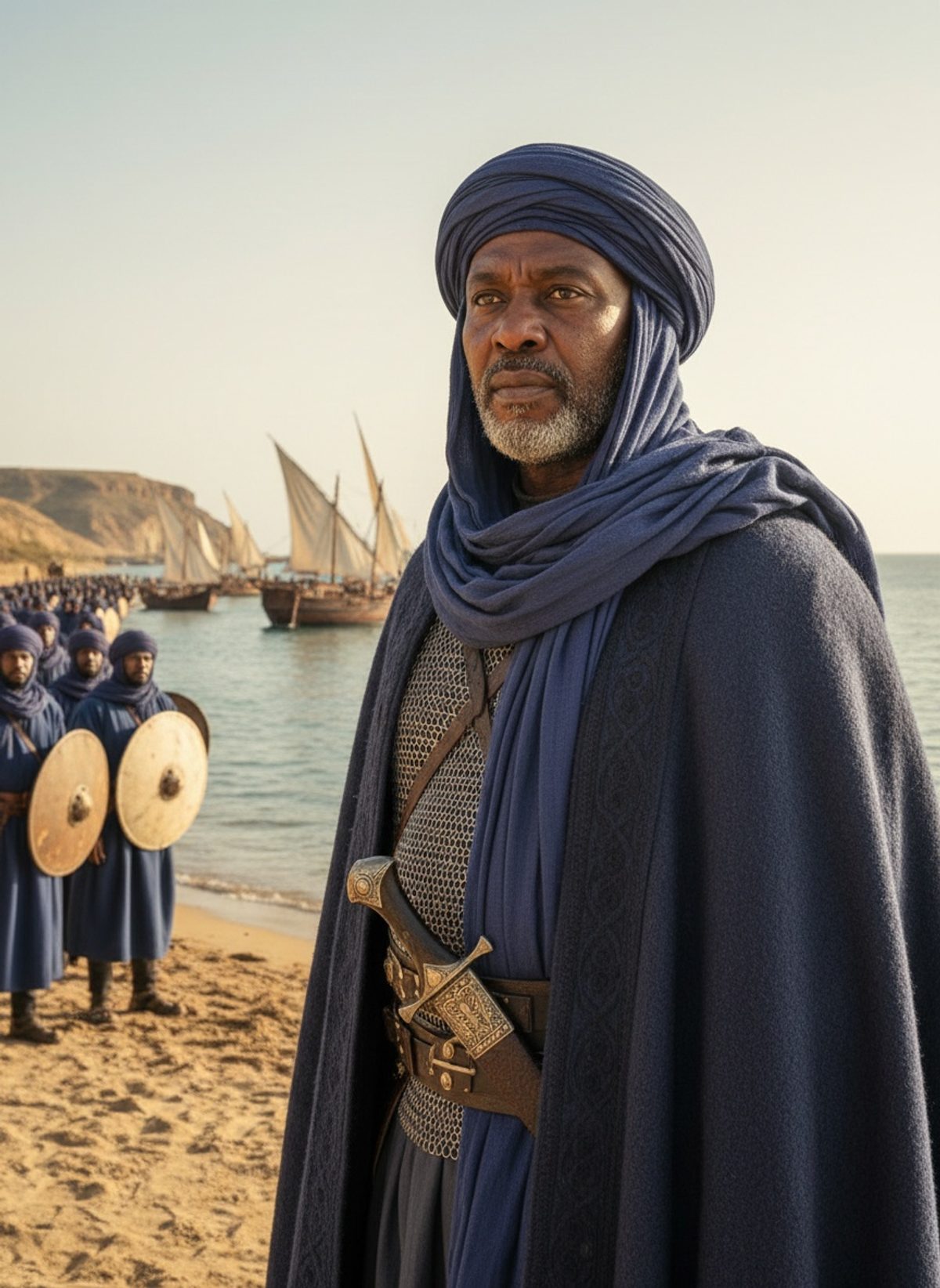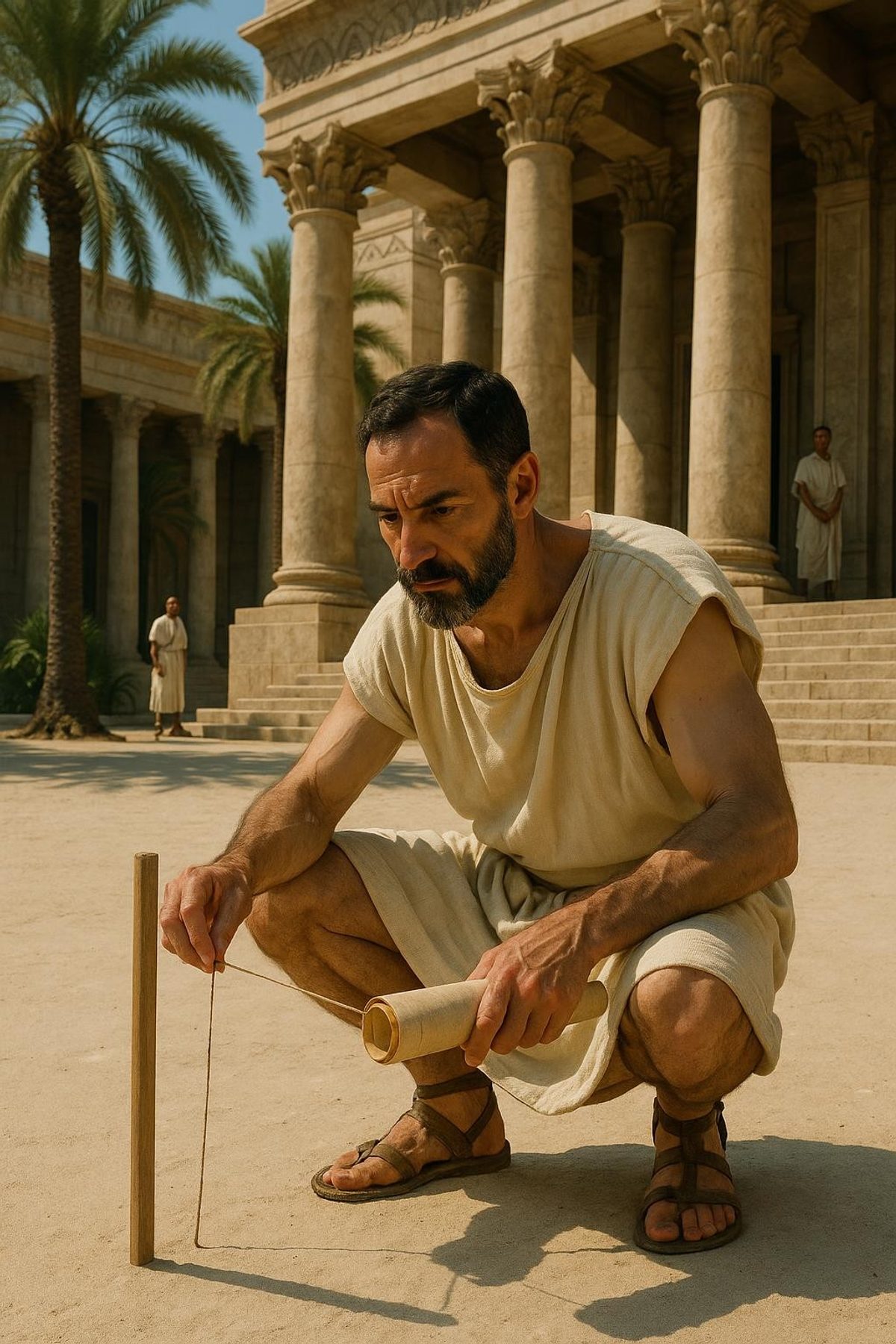
The afternoon sun cast a golden hue over the vast expanse of the Mediterranean, painting a scene as timeless as the ancient tales that would emerge from its shores. The wind carried whispers of distant lands, offering a chorus that mingled with the rhythmic lapping of waves against the trireme's hull. This was more than a journey across water; it was a voyage through myth and marvel. In the days of Antipater of Sidon, travelling to witness the marvels of the world was no mere act of curiosity—it was a pilgrimage to the very heart of human achievement.
The Seven Wonders of the Ancient World: creations so extraordinary that they defied the limits of imagination and echoed across empires. For the travellers of antiquity, each monument was a destination that promised both inspiration and enlightenment. Imagine standing before the mighty Pharos of Alexandria, a sentinel of civilization, guiding mariners safely into harbor with its blaze visible from fifty miles out at sea. The light it emitted was more than just a beacon for sailors; it was a symbol of human ingenuity shining through the ages.
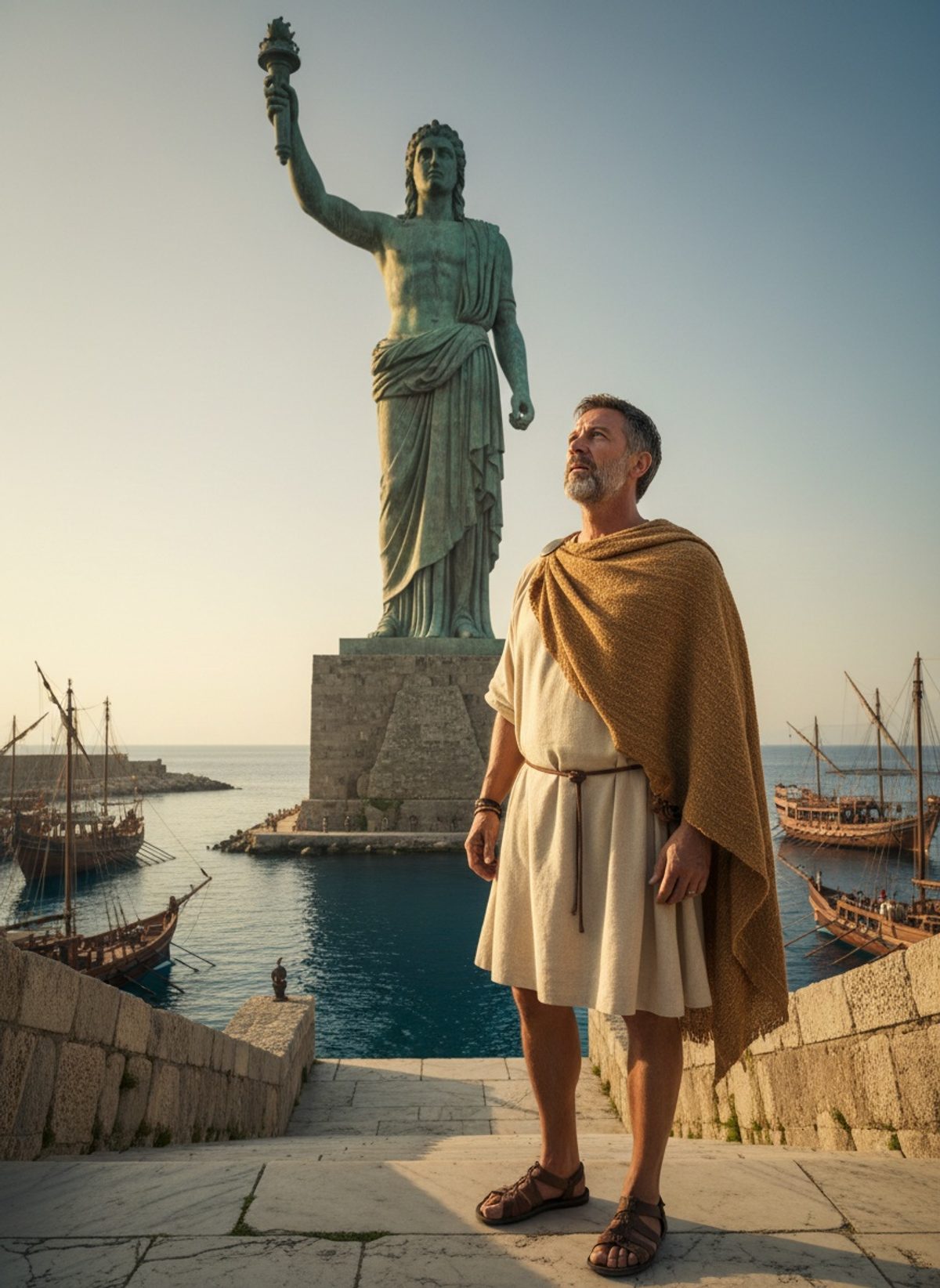
The Colossus of Rhodes, though standing for but a moment in history, represented the zenith of sculptural prowess. This towering bronze figure rose above the harbor, welcoming seafarers with a silence that spoke volumes of human ambition and artistry. As ships sailed beneath its immense legs, the sheer scale evoked awe—a feeling echoed in the hearts of every visitor who dared to dream as greatly as those who conceived such wonders.
Perhaps you would have chosen to visit the Hanging Gardens of Babylon, that lush paradise suspended above the arid plains of Mesopotamia. It was said to be a tribute to love, built by a king for his homesick queen who longed for the greenery of her homeland. Layered terraces overflowed with flowers and trees, creating an oasis so enchanting it seemed to defy nature itself. The gardens were a testament to the power of human will to nurture life where it seemed impossible.
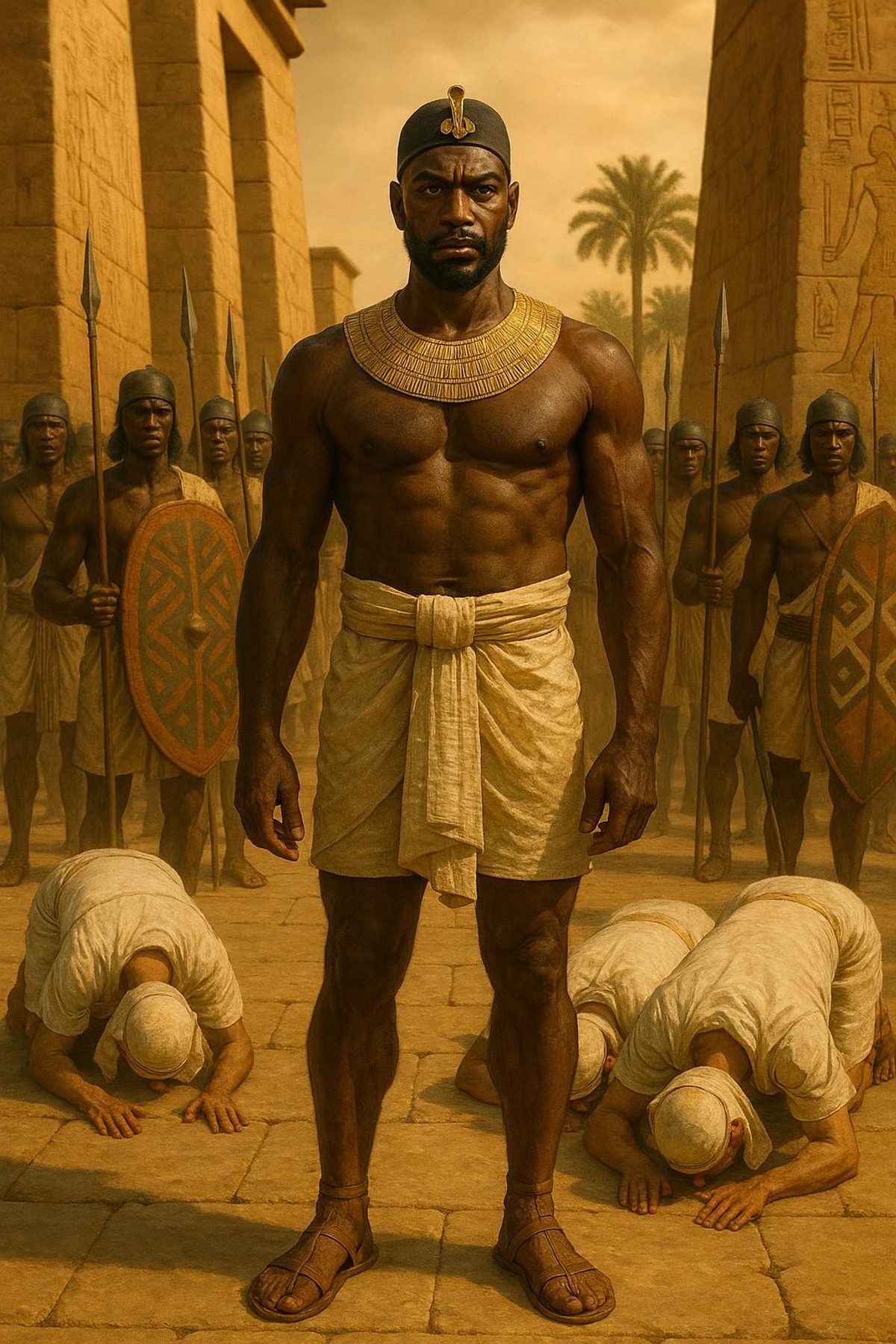
The Great Pyramid of Giza has withstood the ravages of time like no other. Its towering silhouette cuts into the Egyptian sky, mirroring the peaks of the distant sand dunes. This geometric giant, meticulously crafted stone by stone, was not only a monument to the pharaohs but a celebration of the human capacity to dream in dimensions of eternity. It remains the only wonder that has survived to the modern day, a silent sage among the relics of the past.
Imagine, too, the Temple of Artemis at Ephesus, resplendent in its architectural grandeur. Dedicated to the goddess of the hunt, it was adorned with intricate carvings and stood as a hub of culture and commerce. Pilgrims and merchants wandered through its columns, basking in the aura of divinity and power. It was here that art met spirituality, offering a sanctuary for those who sought both knowledge and solace in the divine.
As for the Mausoleum at Halicarnassus, it was a tribute to love beyond death. This monumental tomb, crafted for the satrap Mausolus, was adorned with sculptures and reliefs depicting scenes of heroism and valor. Its distinctive layers rose triumphantly skyward, an everlasting salute to human ambition that sought to transcend mortality itself. In its shadow, the world could witness both the tangible and the metaphysical reaching toward immortality.
Finally, the Statue of Zeus at Olympia, seated majestically atop his throne, caught the eye of worshippers and artists alike. Crafted from ivory and gold, this representation of the king of the gods was more than just a statue; it was a divine narrative carved in precious materials, telling the stories of a civilization profoundly tethered to the whims of its pantheon.
Today, only the Great Pyramid of Giza endures, but the echoes of these lost wonders resonate in the architecture, art, and aspirations of our present. These Seven Wonders offer more than a glance into history; they provide a mirror reflecting the collective capabilities and dreams of humanity. While time and nature may have claimed most of these marvels, they remind us of the infinite potential within us to create, explore, and inspire.
So, dear reader, as you wander through the echoes of history, which of these wonders calls to you? Which path would you tread, and where would your imagination take you? In choosing which wonder to behold, you embark on a journey that transcends time—a journey not only to a distant past but also to the boundless horizons that await our dreams.