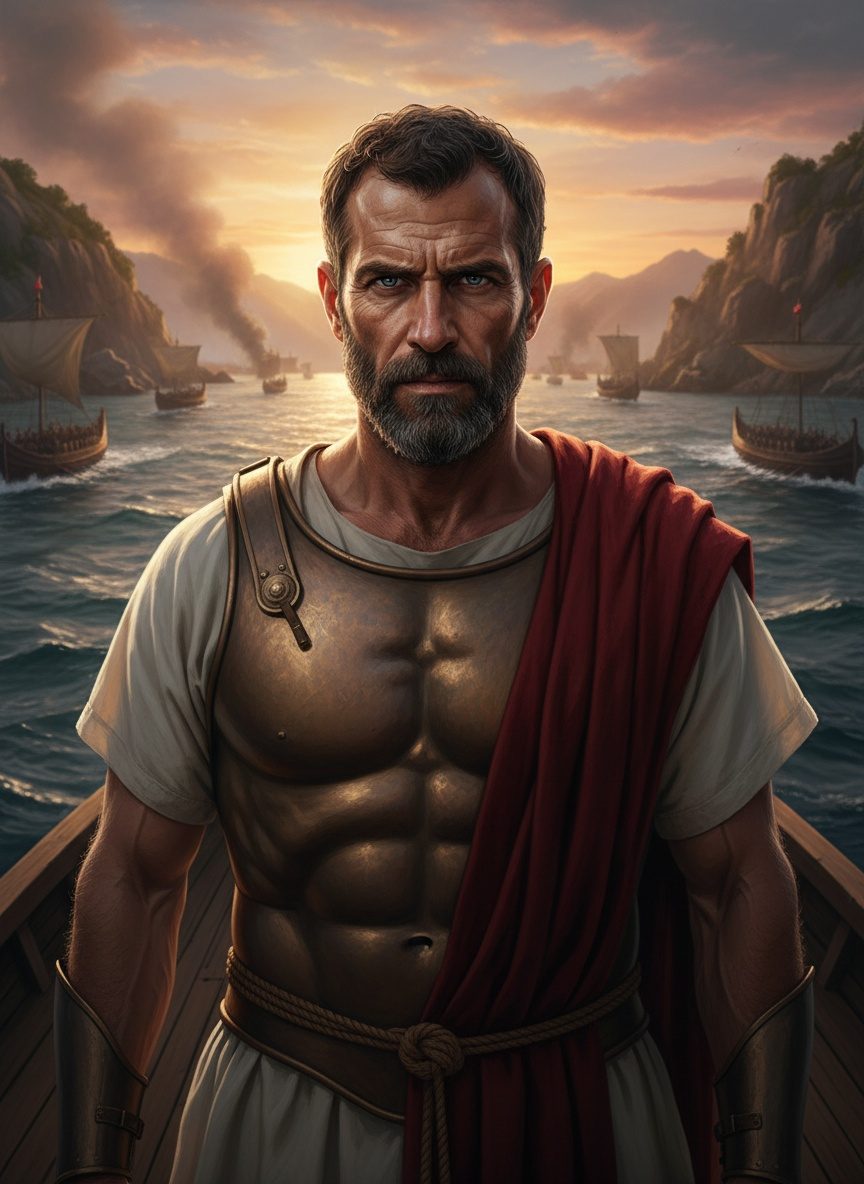
He was a conqueror who forgave. After years on the battlefield, Scipio Africanus, stood silently over Carthage.
The Making of Scipio Africanus
Scipio Africanus was not born into a world of gentle expectations. From his early years, as the son of a prominent Roman general, he was groomed for a life of military service and political prowess. The shadow of war loomed large during his childhood, with Rome embroiled in the early stages of the Second Punic War against Carthage. At the age of seventeen, he fought at the disastrous battle of Cannae in 216 BCE, witnessing firsthand the devastating tactics of the Carthaginian general, Hannibal Barca. The encounter would etch a lasting impression on young Scipio, igniting a fiery resolve to avenge his homeland.
Fast-forward to 202 BCE, Scipio had matured into a formidable military mind himself. After years of strategizing and campaigning, he achieved the near-impossible — bringing the war to Carthage’s doorstep. The years of conflict, battles, and sleepless nights culminated in the fateful Battle of Zama. In what many saw as the embodiment of Roman resilience, he crushed Hannibal’s heavily armored forces, a setback from which Carthage would never fully recover.
Victory at Zama
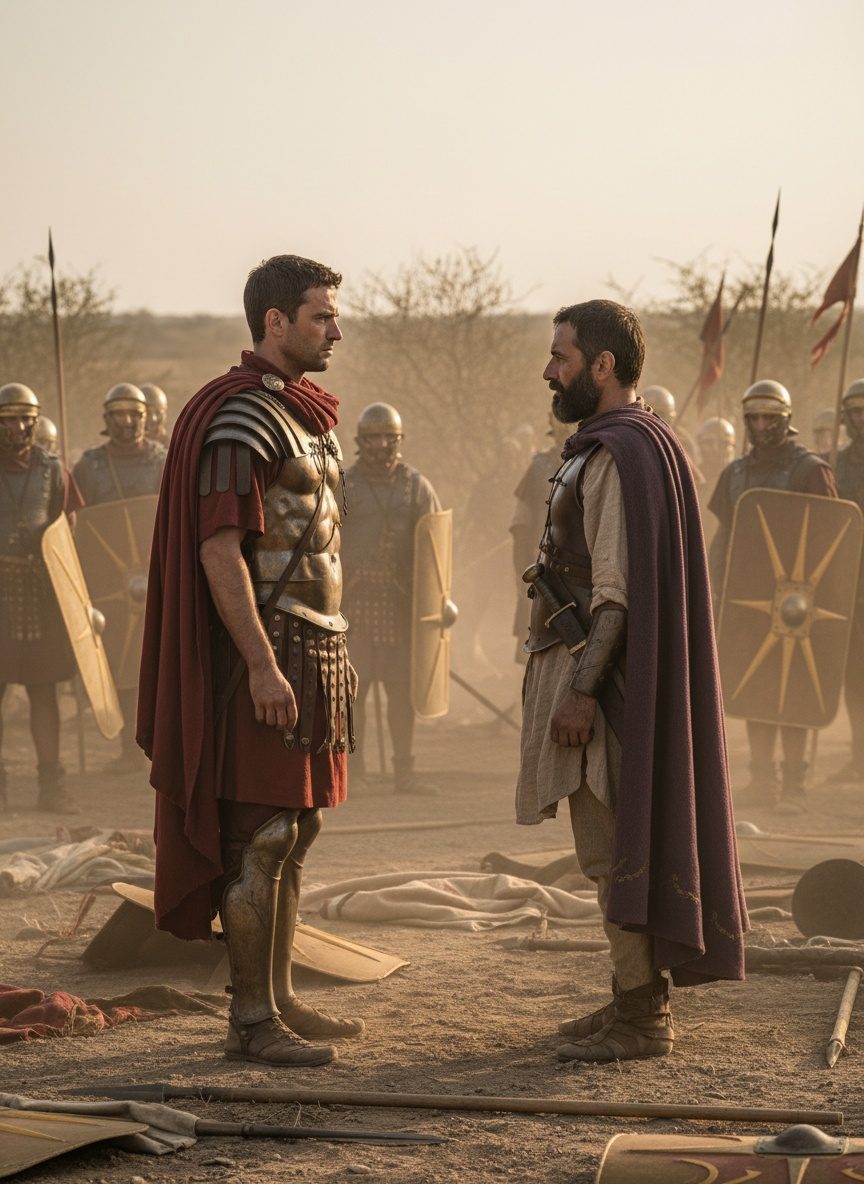
The plain of Zama bore witness to the final clash between these two titans of the ancient world. The Roman legionaries, hardened by years of campaigning, stood shoulder to shoulder under the African sun as they faced Hannibal’s elephants and a diverse Carthaginian army. The battle itself unfolded with sharp tactical maneuvers that showcased Scipio’s military genius. His forces absorbed the initial elephant charge with disciplined formations and countered Carthaginian cavalry with deft precision, unraveling Hannibal’s battle plan through a mix of courage and ingenuity.
As the dust settled, victory belonged to Rome. The once mighty Carthaginian army lay defeated, and Hannibal himself was forced to retreat. The Roman camp erupted in jubilant celebration, but amidst the chants of triumph, Scipio’s demeanor remained stoic as he prepared to confront the man who had once seemed undefeatable.
Mercy to a Defeated Foe
With the remnants of Hannibal’s forces in retreat, one might imagine Scipio reveling in the moment of ultimate vengeance. Yet, the encounter that unfolded between the two generals was not one of humiliation or despair. Instead, Scipio offered terms that would astound the ancient world. He allowed Carthage, though severely restricted, to survive.
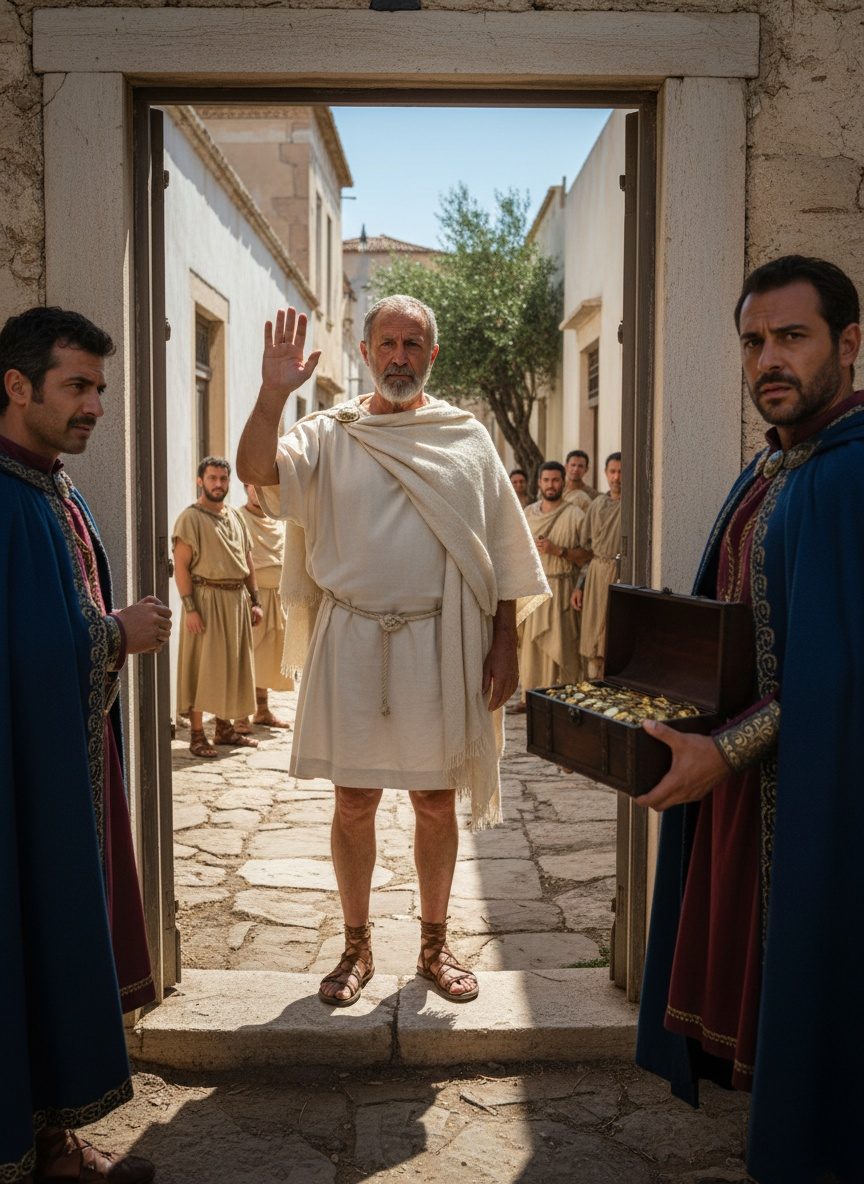
The terms dictated that Carthage surrender its fleet, retain only the lands within Africa, pay a hefty tribute, and not engage in any wars without Roman consent. Scipio’s decision to show leniency can be attributed to several factors. Not only did he seek to solidify Rome’s power and stability after such a prolonged conflict, but he also understood the strategic importance of a weakened Carthage serving as a buffer against other African entities. To him, a humiliated Hannibal was more valuable than a martyred one.
Some in Rome were dissatisfied with what seemed like a lapse in hard-won retribution, but Scipio sensed the foresight in mercy. His gesture, inherited from his understanding of the cost of prolonged conflict and the complexities of power, would resonate through the annals of history.
The Legacy of Mercy
Why did Scipio weep as he stood over Carthage — a bitter adversary for most of his life? The sight before him was not just the ruins of a vanquished city but a grim reflection of war’s ultimate destruction. The traumatic memories of Cannae, the toll of conflict, and the scent of mortality hung heavy in the air. It was a recognition of the cyclical nature of history, where today's victor could become tomorrow’s loser.
Scipio’s decision at Zama, and his subsequent clemency, served as a poignant reminder of the potential for humanity amidst upheaval. In sparing Carthage, he unwittingly contributed to a narrative of redemption and recovery, allowing the ruins of Carthage to eventually rise anew in different forms. His actions prompt reflection on the balance between destruction and creation — a balance that echoes far beyond the ancient world. His legacy challenges us to consider the costs of revenge and the power inherent in mercy.