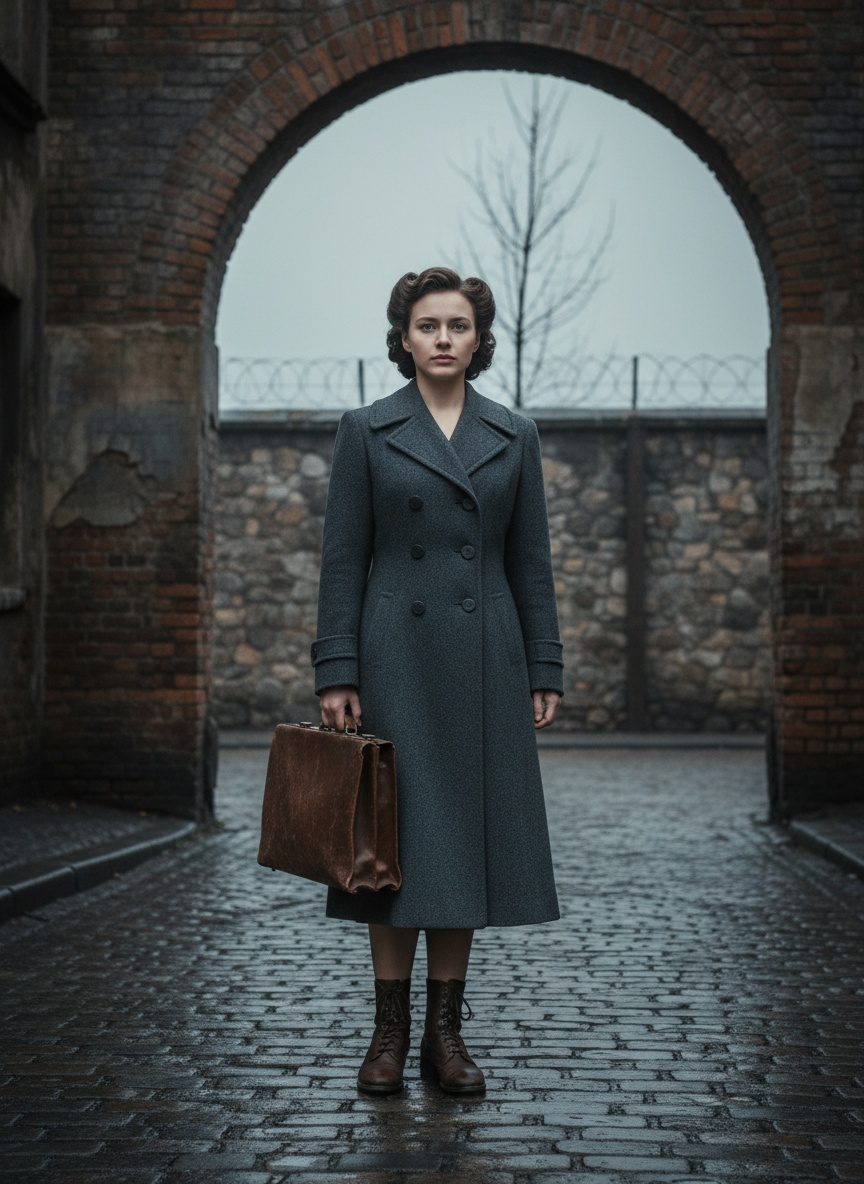
The chilling winds swept through the cobblestone streets of Warsaw, rattling the bare branches that lined the avenues like skeletons standing guard in the shadows of war. Winter was in its cruel ascendancy, laying siege to a city already surrounded by an iron curtain of terror. Amidst the biting cold, a steely-eyed woman navigated her way through the desolate landscape, her mind as sharp as the frost under her feet. As she approached the towering gray walls of the Warsaw Ghetto, she was acutely aware of the weight of history resting on her shoulders. Inside those walls, an unspeakable crisis was unfolding — one she was determined to defy.
The Ghetto's Grim Realities
By late 1942, the Warsaw Ghetto had become an enclave of despair and desperation. Established by Nazi Germany in 1940, it crammed hundreds of thousands of Jews into an area little more than 1.3 square miles. The stench of decrepitude mingled with the pervasive smells of coal and decay; the ghostly silhouettes of the dwellings cast long shadows over the lives contained within. In this squalid confinement, disease and hunger were as unrelenting as the patrolling soldiers. Yet, in this crucible of human suffering, Irena Sendler saw not just victims, but lives she was resolved to save.
With her forged papers and unwavering resolve, Irena was no ordinary visitor to the Ghetto. Each entry was a calculated act of defiance, each exit a triumph against tyranny. Alongside her comrades in the Polish underground organization Żegota, she orchestrated a rescue operation as daring as it was compassionate. Children, the innocent potential of a future almost snuffed out, were her focus. They were smuggled out in unlikely vessels — toolboxes, coffins, even ambulances. Each escape told the story of audacity in the face of annihilation.
The Jar Beneath the Apple Tree
While the covert operation was fraught with peril, the true genius of Irena's enterprise lay in an unassuming garden outside the Ghetto, beneath a gnarled apple tree. Here, she buried names not in books but in safety, using cigarette papers to record the secret identities of the children she saved. Each strip of paper held a lifeline to the child's heritage — a bridge back to their families, their past, their identities, after the war's destructive force had passed.
The jar became a testament to humanity's fragile links amid chaos, a beacon of hope buried beneath the ominous visage of war. Irena understood the precious cargo that these names represented: they were not just records, but seeds for a tomorrow unmarred by the insane boldness of hate. But this world of clandestine salvation unfolded at a high cost. Upon discovery, it could unravel not just Irena’s efforts, but also the very lives she worked tirelessly to rescue.
The Arrest and Torture
The apple tree bore silent witness the day the Gestapo arrived for Irena. It was November 1943 when the agents of the Reich seized her, spiriting her away into the heart of darkness. Days bled into nights in the stifling confines of Gestapo headquarters, where pain was employed as a language of domination. Her legs were broken, her spirit assailed, yet not once did her resolve splinter. Irena Sendler remained a bastion of silence, her secret buried as deeply within her as the jar was beneath the loam of that apple tree.
What enabled her to endure was an unyielding commitment to the lives she had saved and a profound understanding that the children's futures hinged on her fortitude. The Gestapo, relentless and ruthless, never gleaned a word about the hidden jar nor its fragile contents. Irena's courage stood as a bulwark, preserving the link to histories she had fought to protect.
Echoes of Courage
In a city shattered by war, where each street spoke of loss and every shadow whispered of fear, the legacy of Irena Sendler is a radiant illumination against the encroaching darkness. Her imprisonment, intended to break her spirit, instead shone a light on an indomitable will to safeguard innocents. Because Irena never revealed the names or locations, the children she had spirited beyond the Ghetto's oppressive confines ultimately survived the Holocaust. After the war, the jar was unearthed, providing the poignant opportunity for these children to reconnect with their identities and lost kin.
Irena Sendler's story transcends its immediate historical moment. It resonates in its demonstration of moral bravery in the face of dehumanizing adversity. The lesson is stark and enduring: in the heart of humanity lies the capacity for immense cruelty, but equally potent is our capacity for compassion and action against injustice. It is this duality — a hope amidst despair, a torch raised against the night — that keeps Irena's legacy alive. For her actions remind us that while hate may build walls, courage defies them, and beneath an apple tree, the seeds of hope can be buried, poised to flourish in the light of freedom.