He was a stockbroker. Yet, his briefcase held the future of 669 lives.
1938: An Unexpected Mission Begins
In the winter of 1938, as Europe teetered on the brink of war, a young British stockbroker named Nicholas Winton arrived in Prague for a vacation that transformed into a covert rescue mission. What was supposed to be a leisurely escape became a harrowing, life-defining experience the moment Winton witnessed the escalating peril faced by Jewish children in Czechoslovakia. Hitler’s relentless march across Europe was sweeping away the unthinkable past and replacing it with a chilling new reality. Seemingly ordinary streets were suddenly thrumming with the heavy, ominous beat of impending doom, and for Winton, there was no ignoring this truth.
Across Czechoslovakia, his knowledge of finances and commodities meant little in the face of totalitarian oppression. Instead, Winton found himself in an atmosphere of fearful whispers, government corruption, and desperate parents clinging to his suits, their eyes pleading for some semblance of salvation for their children. Without a mandate or official sanction, Winton set into motion a plan that was deceptively simple yet fraught with challenges: he would get the children out. And he would do it alone.
Building a Lifeline: Trains to Hope
Beneath the veneer of his everyday life, Winton exchanged the world of investments for one of intrigue. His new market was the future, a currency far more volatile yet infinitely more precious. Within days of arriving, he had transformed a makeshift office at a dining room table in his hotel into the nerve center of a large-scale evacuation project. Armed only with determination and a dire sense of urgency, he began to forge escape routes for the children.
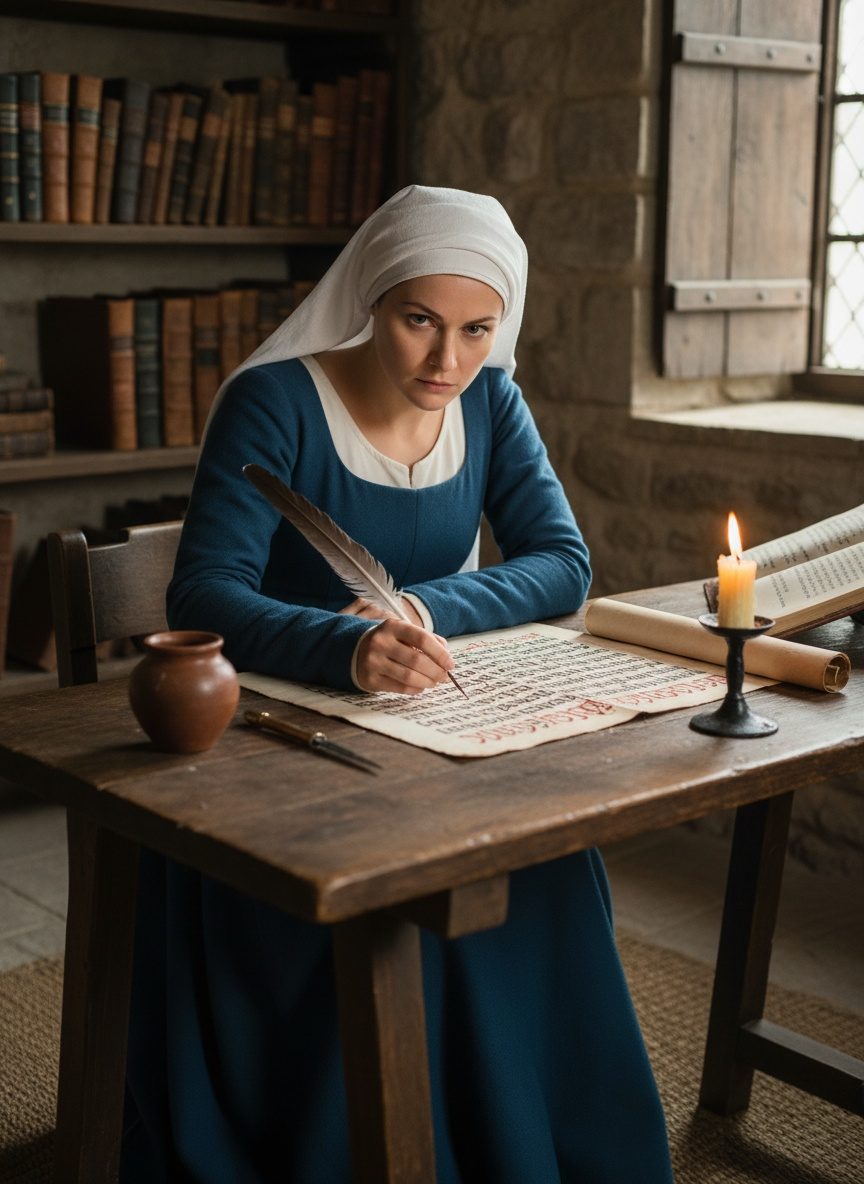
Time was against him, and bureaucracies moved like sludge. From the shadows of Prague, Winton sent letters to embassies around the world pleading for sanctuary for these young lives. Every child that could be taken out required paperwork, signatures, and the precarious balance of diplomacy and subterfuge. He forged visas, manipulated permissions, and negotiated border crossings with a fervor that knew no sleep.
Aided by a team of volunteers, Winton arranged for trains to carry the children across Nazi-controlled territories. Each engine pushing forward along the iron tracks embodied a locomotive of hope, pulling carriages filled with laughter wrestling with fear. Eight trains in total would depart Czech stations, rolling onwards to the refuge offered by British families who would foster these children, binding them briefly to unknown futures in a land no less uncertain.
The Secret Beneath the Stairs
After the war clouds finally dissipated, the children Winton saved scattered themselves into various walks of life, each carrying within them the quiet gratitude for an unacknowledged benefactor. Nicholas returned to London, where he resumed his career, married, and started a family. In a world determined to forget the horrors witnessed, Winton was content to let his actions fade quietly into history, as unnoticed as the details on a ledger sheet.
For decades, the story of the 669 children he spirited away remained unexplored. It lived on as nothing more than a silent anecdote, buried beneath mundane domesticity. Everything remembered only by a yellowed scrapbook and a collection of notes that sat in a suitcase beneath his stairs, quietly waiting for rediscovery.
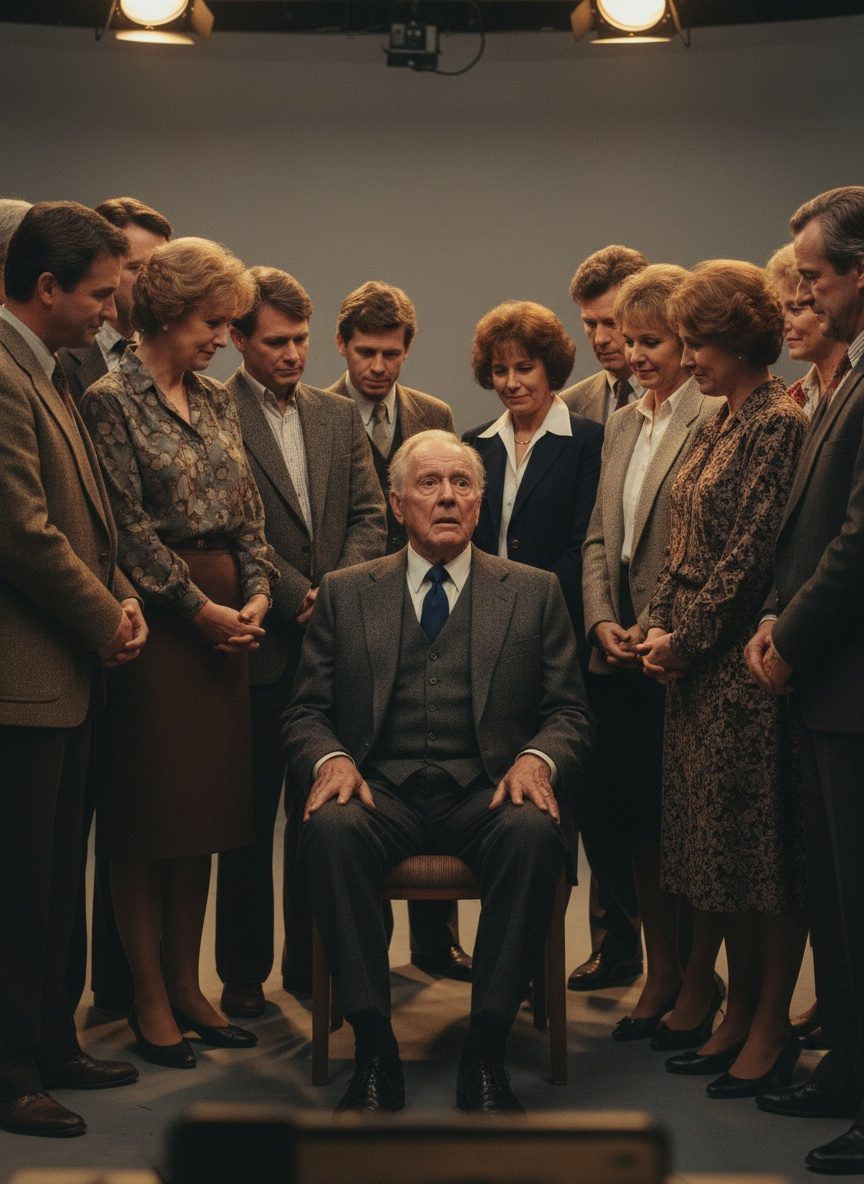
It wasn't until fifty years later, when a chance discovery by his wife of the suitcase led to a televised revelation. Invited to a BBC studio under the guise of a simple documentary viewing, Winton found himself surrounded not by strangers, but by the very lives he had rescued. The hauntingly emotional moment when the audience stood, each telling pair of eyes locked onto his, was his first glimpse of the legacy left through risk and resolve.
Why This Story Matters
Nicholas Winton’s story defies the simple arc of history, a reminder that even within the machinations of war and genocide, individual acts of courage whisper louder than the clamoring of boots. His quiet heroism challenges our notions of what it means to stand alone against a tide of hate and fear. In a universe at the brink of devastation, where so much was ripped apart and lost, the story of the Winton children offers an evergreen testament to the transformative power of conscience and empathy.
In a world that often seeks heroes in grand gestures and political bravado, Winton’s life, perfectly unremarkable on its surface, reverberates with a subtle, profound legacy: change can begin anywhere — even in the unlikely hands of a stockbroker on vacation. As society continues to navigate complexities of compassion and responsibility in the modern era, Nicholas Winton’s near-silent bequest reaffirms the timeless truism that true impact often resides in the quiet crevices of action unseen; a lesson in humanity carried not in headlines, but in the hushed stories of salvation.