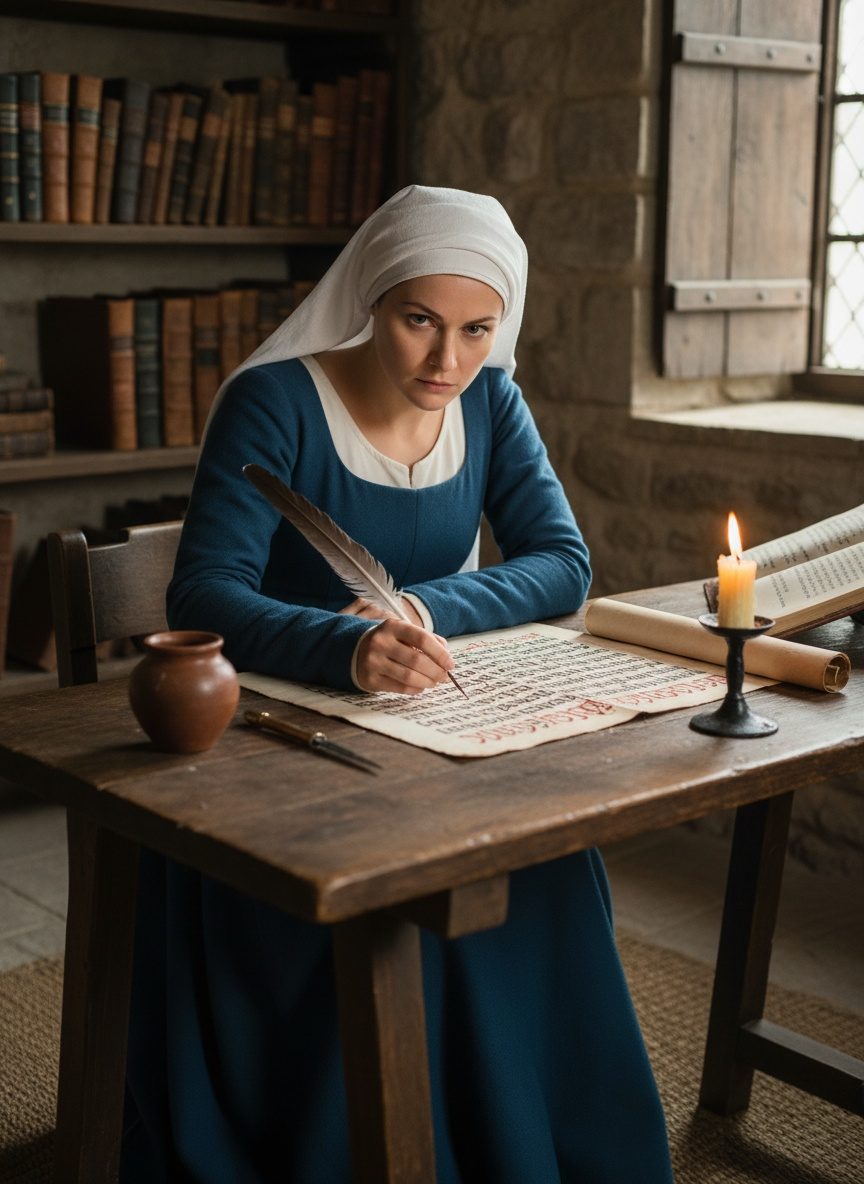
Margery Kempe was an illiterate peasant woman. Yet, she faced down one of the most powerful churchmen in England alone and emerged unscathed. Kempe was not what one would expect of a medieval mystic, yet her life defies every stereotype.
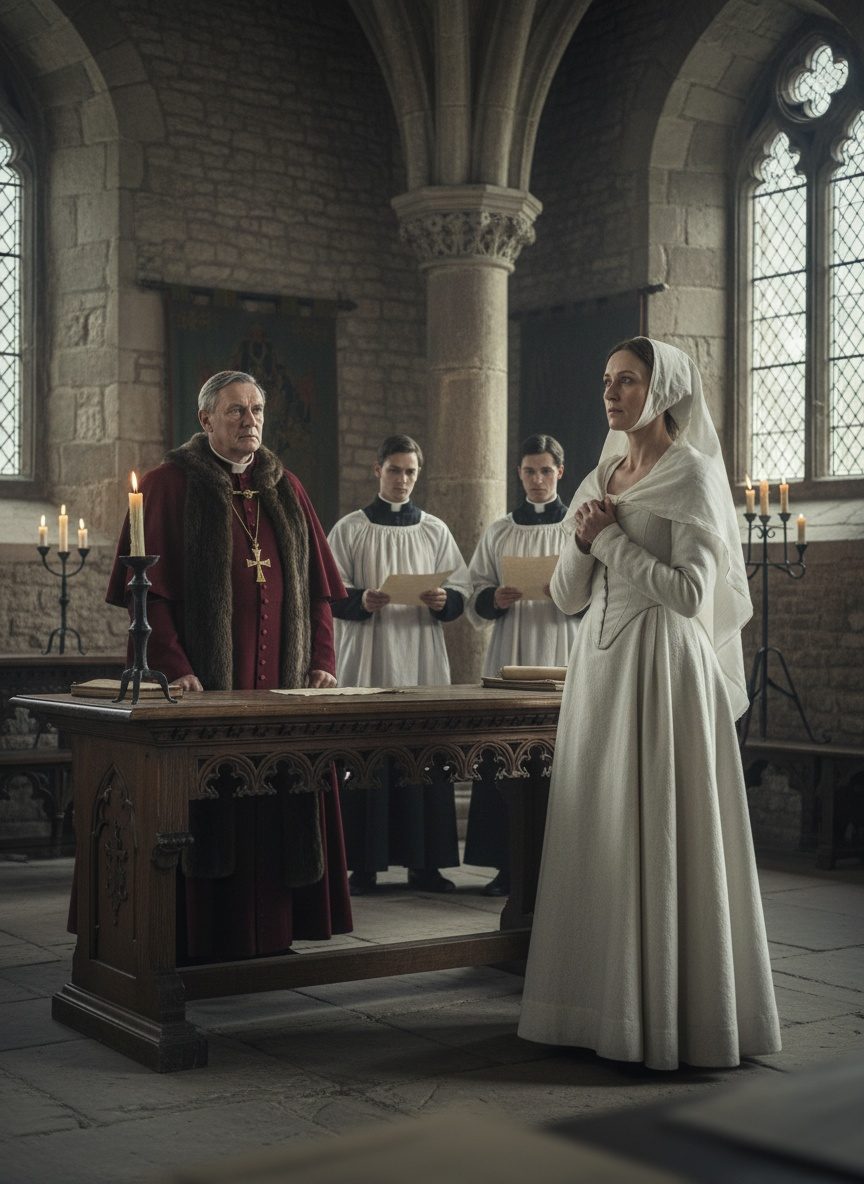
It was a time when speaking against the church could mean death. The year was 1417, and the bustling city of York was a testament to medieval England's vibrancy and devotion. The towering Cathedral of York Minster dominated the skyline, a reminder of the Church's immense power and influence. Within this formidable structure, Margery Kempe, a bold woman from Norfolk, prepared to defend her life and beliefs before the imposing figure of the Archbishop of York.
In those years, accusations of heresy were perilous. The Church wielded authority over spiritual and civic matters, and an encounter with such power could spell doom. Yet, Margery, known for her mystical visions and loud proclamations of divine intimacy, found herself accused of heretical views. These charges were serious and crafted to silence outspoken figures like her. Yet, Margery's story was one of defiance and determination.
Born in the late 14th century, Margery was far from extraordinary by the standards of her time. She was a married woman, the mother of fourteen children, and largely illiterate—a stark contrast to the learned men who typically filled the Church’s ranks. Her life might have gone unnoticed had it not been for the spiritual experiences that transformed her existence. Following a troubling bout with postpartum depression, Margery claimed divine visions visited by Jesus and the saints. These mystical encounters compelled her to adopt a life of devotion, determined to share her revelations with the world.
Margery's journey was not without resistance. Her extravagant and unrestrained expressions of piety drew criticism and even mockery. Her vivid recounting of visions and her sobbing fits in public places were seen as unseemly and out of place for a woman of her station. Yet, her spirituality was genuine and fervent, posing a direct challenge to the established norms. Despite being illiterate, she dictated her experiences, which became one of the earliest known autobiographies in English—The Book of Margery Kempe.
In York, Margery found herself facing the danger many women like her would not dare to confront. The court of the Archbishop was a place where disputes were settled, and those deemed heretical were often dealt with severely. Her accusers hoped to quash her influence by labeling her as a heretic. Paul-like, she stood alone, without priestly counsel or legal defense, relying solely on her wits and the conviction of her experiences. It was a battle of will and faith in a time when the spoken word was a woman's only shield.
Accounts of the day describe how Margery handled her interrogation. Although the details are not preserved in a word-for-word exchange, it is clear that the proceedings were rigorous. The Archbishop sought to undermine her credibility, questioning her intensity and her claims of a divine connection outside the Church's authorized channels. Yet Margery, with her firm belief in her visions and her right to proclaim them, answered each challenge with sincerity and unwavering confidence.
What was surprising to many, and perhaps part of Margery's unexpected triumph, was her deep understanding of the scripture, gleaned from listening to sermons and devout study despite her illiteracy. Her accusers might have expected an unhinged zealot, easily dismissed, but they faced a woman whose passionate faith and keen intelligence made her arguments resonate. Each refutation she provided, each response grounded in theological understanding, steadily dismantled the case against her.
Margery's fervent eloquence shone through, her defense not a mere recital of rehearsed lines but a deeply personal testament of belief. She invoked the examples of saints and martyrs who had preceded her, asserting her spiritual kinship with these revered figures, much to the exasperation of her adversaries. Her mention of Christ's humanity, of his sufferings and teachings, seemed to touch the humanity in those who sought to banish her.
In a society conditioned to silence such voices, her release was a remarkable concession. The Archbishop, perhaps impressed by Margery's pious conviction or wearied by her relentless rhetoric, ultimately let her go—a decision that might have stemmed from both respect and pragmatism. Her acquittal marked a rare victory for an outspoken woman in medieval England.
Margery simply resumed her pilgrimages, spreading her revelations and continuing her devout life unfazed by the ordeal she had faced. Her later years were filled with more travel and dictations of her spiritual experiences, which would eventually find their place in the annals of spiritual history. Her confrontations, and particularly her encounter in York, symbolized the broader tensions within a medieval society grappling with the role of personal piety against institutional authority.
The story of Margery Kempe is not just one of faith; it is a narrative of resilience and the power of individual conviction. It challenges preconceived notions about authority, gender roles, and the accessibility of eternity's mysteries. Her defiance in the face of ecclesiastical might, combined with her profound spiritual episodes, offers a unique glimpse into a past where one woman's voice was not easily extinguished, but rather resonated through the ages.