April 1942. The fields were silent.
The Sky Darkens Over Florin
In Florin, California, the coming of April that year was marked not by the usual sounds of farming life, but by an eerie quietness that settled over the town's sprawling landscape. The vibrant community of Japanese American farmers, who had tilled these lands for years, found their lives upended almost overnight. Executive Order 9066, signed by President Franklin D. Roosevelt just months prior, had mandated their forced relocation under the shadow of growing tensions and fears sparked by World War II.
More than 110,000 Japanese Americans across the West Coast were systematically uprooted from their homes and livelihoods, leaving behind not just possessions, but the very essence of their identities tied to the Californian soil. Florin, once a bustling hub of strawberry farms, now lay dormant, as the farmers were sent to internment camps, their futures uncertain and intertwined with a nation at war.
A Neighbor's Unthinkable Choice
It was within this void that Bob Fletcher, a neighbor and friend, stood alone amidst a sea of empty fields. Fletcher, a quiet man known for his integrity, faced a decision that challenged both his morals and his standing in the community. His Japanese American friends—three families from neighboring farms—had approached him with a desperate plea before their departure. Would he, they asked, care for their lands in their absence?
Against the vehement sentiments of his peers at the state office where he worked, Fletcher quit his government job. He set forth on a journey that few would have imagined, driven by a simple belief in doing what was right. Taking on the Herculean task of maintaining not just his own land, but ninety additional acres, was no small feat. Yet, with determination set like a plow in rich soil, Fletcher took to the fields with a farmer's resolve.
The Labors of Three Harvests
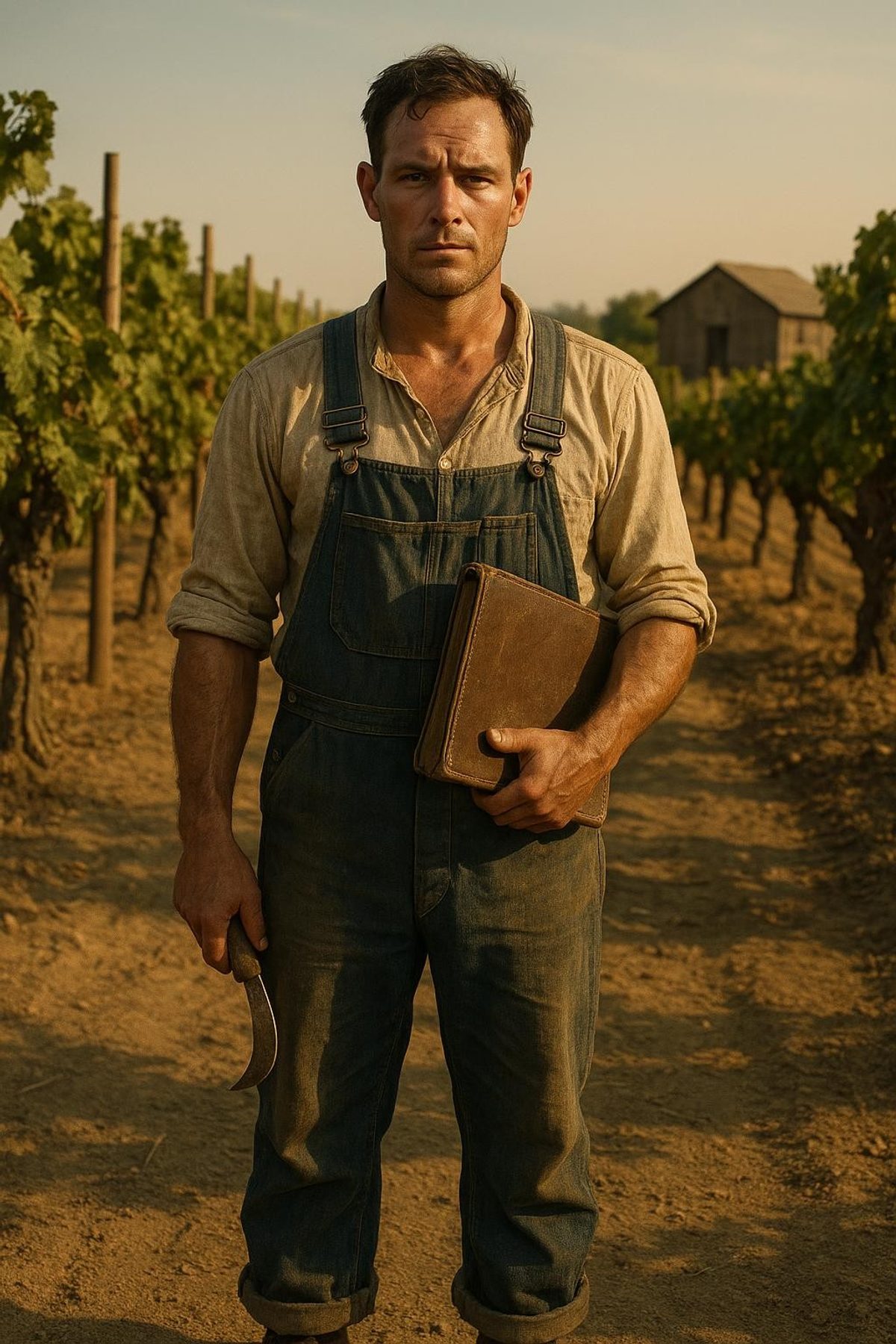
For the next three years, Bob Fletcher was a one-man farming machine. He rose with the sun, a silhouette against the horizon, as he worked tirelessly to cultivate crops that would capture the essence of normalcy for the families who had left everything behind. The summer sun bore down relentlessly, but Fletcher pushed through, his sweat-stained shirt a badge of honor.
On these fields, he planted, nurtured, and harvested, navigating not only the challenges presented by the land but the social contours of a community that scorned his actions. While others saw betrayal, Fletcher saw duty. He paid the taxes on these farms, shouldering the financial burden that might have otherwise spelled ruin for the families he was determined to help. He drew no personal profit, instead banking earnings under the names of the absent owners.
The Cost of Compassion
Florin’s tight-knit community was not kind to Fletcher’s sacrifice. Whispers and stares followed him, the hallmark of a man who had made himself a pariah in his own hometown. Accusations of disloyalty and betrayal echoed through the streets, as the pervasive fear of “the other” surged through American towns and cities.
For Bob Fletcher, the weight of that opprobrium was borne silently. He had no need for recognition nor pity. His solitude in the field echoed with a personal resolve stronger than public opinion. And as the months turned into years, the fields under his care flourished, nurturing more than crops—they harbored hope for the displaced families that the future awaited.
A Return to Unlikely Redemption
When the war ended in 1945, Japanese American families began to return to Florin. Many came back to desolate properties, stolen by opportunists, or lost to unpaid taxes and neglect. However, for the families who had entrusted Bob Fletcher, the homecoming was different. Their farms stood ready to embrace them once more, alive and thriving, thanks to the neighbor who dared to stand alone.
In a post-war America grappling with the consequences of its past actions, the fields of Florin told a story of resilience and redemption. Bob Fletcher’s unwavering commitment became a beacon to what can be achieved when decency prevails over bigotry. His actions preserved not just the land, but the spirit of a community that would slowly mend with time.
Today, the tale of Bob Fletcher may not be etched in textbooks alongside the grand narratives of war, yet it embodies a profound truth: individual acts of courage can preserve the dignity of many. In the silent fields of Florin, one man’s toil ensured that the pages of history would turn towards understanding and empathy. In doing so, Fletcher serves as a vivid reminder that oftentimes, change begins with just one person standing strong against the tide.